

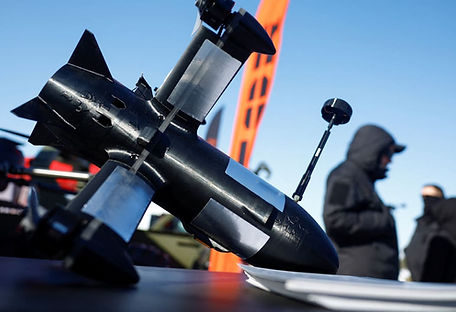
Ukraine is rapidly transforming modern warfare through an aggressive and innovative deployment of drones and unmanned systems, shifting both battlefield tactics and strategic doctrine in its conflict with Russia. According to recent analysis, Ukrainian forces have successfully conducted operations entirely with unmanned aerial and ground platforms, even compelling enemy surrenders without deploying infantry or suffering casualties. This evolution stems from necessity, as Ukraine compensates for limited manpower across an extended front line by scaling production of drones and robotic systems. These technologies now handle surveillance, targeted strikes, logistics, mine-clearing, and casualty evacuation, dramatically reducing risk to soldiers. Ukrainian leadership emphasizes that tens of thousands of missions have already been conducted by robotic systems, effectively preserving lives while increasing operational reach. With the ability to produce millions of drones annually and deploy long-range strike capabilities, Ukraine is not merely adapting—it is setting a new global benchmark for integrating unmanned systems into large-scale conventional warfare.
Sources
https://www.jpost.com/international/article-892954
https://www.reuters.com/world/europe/ukraine-expands-drone-warfare-capabilities-2026-04-15/
https://www.defensenews.com/global/europe/2026/04/16/ukraines-drone-strategy-redefines-modern-ground-war/
Key Takeaways
- Ukraine has demonstrated that fully unmanned operations can achieve battlefield success without risking human soldiers.
- Mass production and integration of drones and robotic systems are compensating for manpower shortages and reshaping combat tactics.
- The conflict is establishing a new model for modern warfare where scalable, low-cost technology can rival traditional military advantages.
In-Depth
Ukraine’s battlefield evolution underscores a fundamental shift in how wars are fought, one that favors innovation, adaptability, and technological scaling over sheer manpower. Faced with a numerically superior adversary, Ukraine has leaned heavily into unmanned systems, not as a supplement to traditional forces but increasingly as a replacement for them in high-risk scenarios. The reported success of operations conducted entirely by drones and ground robots is more than a tactical novelty—it represents a strategic recalibration that prioritizes force preservation while maintaining offensive pressure.
What stands out is the breadth of roles these systems now fulfill. Small aerial drones handle reconnaissance and precision strikes, while unmanned ground vehicles are being deployed for logistics, mine-clearing, and even casualty evacuation. This layered use of robotics allows Ukrainian forces to extend their operational reach while minimizing exposure to enemy fire. The scale is equally significant; tens of thousands of missions conducted by robotic systems in a matter of months signal not just experimentation but institutional adoption.
From a broader perspective, this shift challenges long-standing assumptions about military power. Traditional metrics—troop numbers, armored divisions, and heavy artillery—are being complemented, and in some cases offset, by relatively inexpensive and rapidly produced drone technologies. Ukraine’s ability to manufacture these systems at scale, combined with increasing range and precision, suggests a future where technological agility may outweigh conventional superiority.
This development carries implications far beyond the current conflict. It offers a blueprint for smaller or resource-constrained nations to counter larger adversaries, potentially leveling the playing field in ways that were previously unimaginable. At the same time, it raises questions about escalation, proliferation, and the ethical dimensions of increasingly automated warfare. What is clear is that the battlefield is evolving quickly, and Ukraine is at the forefront of defining what comes next.