

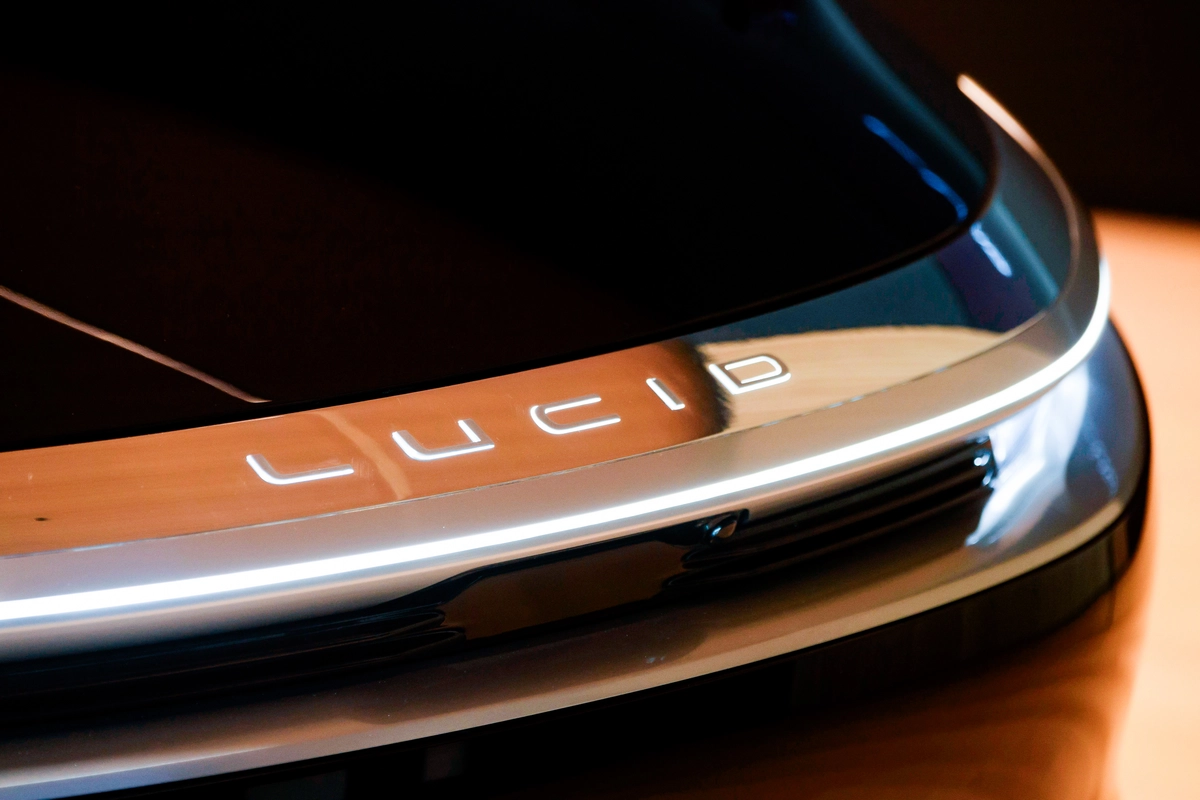
Lucid Group forcefully denied reports that it was considering either a Chapter 11 bankruptcy filing or a move to take the company private after an unverified report triggered one of the most dramatic single-day stock collapses in recent EV industry history. The company called the claims “completely false,” stating it possesses sufficient liquidity to continue operations well into next year and emphasizing that consulting firm AlixPartners was retained solely to improve operational execution—not to prepare for bankruptcy. While the denial helped shares recover from their intraday lows, the episode underscored the fragility of investor confidence surrounding cash-burning electric vehicle startups. Despite billions in backing from Saudi Arabia’s Public Investment Fund, Lucid continues to face slowing demand, production disruptions, restructuring efforts, and the difficult path toward sustained profitability. The incident also serves as a reminder that markets can react violently to unverified reporting, especially when companies already face legitimate financial headwinds.
Sources
- https://www.reuters.com/legal/litigation/lucid-rejects-take-private-bankruptcy-report-after-shares-plunge-2026-07-14
- https://www.techcrunch.com/2026/07/14/lucid-motors-denies-report-its-considering-bankruptcy/
- https://www.investors.com/news/lucid-stock-dives-56-bankruptcy-electric-vehicle-maker/
Key Takeaways
- Lucid categorically denied reports that it is preparing for bankruptcy or exploring a take-private transaction, insisting the rumors are false and that its liquidity remains adequate for ongoing operations.
- The company’s stock experienced extraordinary volatility because markets remain highly sensitive to negative news surrounding unprofitable electric vehicle manufacturers operating in a challenging economic environment.
- The controversy highlights how speculation can rapidly erase billions in market value, reinforcing the importance of relying on verified corporate disclosures rather than anonymous-source reports.
In-Depth
The violent reaction to the rumors surrounding Lucid illustrates both the promise and peril of today’s electric vehicle marketplace. Investors have grown increasingly skeptical of EV companies that continue to consume large amounts of capital while struggling to achieve consistent profitability. Against that backdrop, even an unverified report suggesting bankruptcy was enough to send traders rushing for the exits before the company had an opportunity to respond.
Lucid’s management moved quickly, publicly rejecting the allegations and reiterating that the company maintains sufficient liquidity to continue operating well into next year. Executives also clarified that AlixPartners was engaged to improve operational efficiency rather than develop a bankruptcy strategy. Those statements helped stabilize the stock, but they did not eliminate broader concerns about Lucid’s long-term financial trajectory. The automaker still faces substantial cash burn, uneven vehicle demand, production challenges involving its Gravity SUV, and an extensive corporate restructuring designed to reduce costs and improve execution.
For conservatives who favor transparent and efficient capital markets, the episode offers another lesson in the dangers of rumor-driven investing. Markets function best when decisions are based on verifiable information instead of anonymous speculation amplified through digital media. Lucid’s future will ultimately depend not on social-media chatter but on its ability to manufacture vehicles efficiently, generate sustainable consumer demand, control expenses, and finally demonstrate that its technology can produce lasting shareholder value. Until those fundamentals improve, volatility is likely to remain a defining characteristic of the company’s stock.