

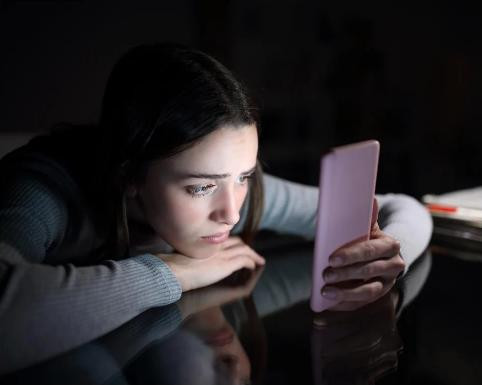
The British government is moving forward with another significant expansion of its online safety agenda by proposing default overnight social media curfews for 16- and 17-year-olds, requiring major platforms to automatically block access between midnight and 6:00 a.m. unless users deliberately opt out. The proposal follows London’s previously announced ban on social media access for children under 16 and also targets platform features designed to maximize user engagement, including autoplay and infinite scrolling. Government officials argue the measures are intended to improve sleep, academic performance, and mental health while giving parents additional tools to manage online activity. Critics, however, contend that because the curfew can be disabled, its practical effectiveness remains questionable, while others express concern that government regulation of online behavior continues to expand beyond parental authority and individual responsibility.
Sources
- https://www.theepochtimes.com/world/uk-plans-default-midnight-social-media-curfew-for-16-and-17-year-olds-6062014
- https://www.gov.uk/government/news/new-social-media-curfews-and-crackdown-on-addictive-features-to-better-protect-16-and-17-year-olds-online
- https://apnews.com/article/d5381f128b29f4ef62b0d2485ed3b4e0
- https://www.channelnewsasia.com/business/uk-plans-default-midnight-social-media-curfew-teens-aged-16-17-6254556
Key Takeaways
- The UK government plans to implement default midnight-to-6:00 a.m. social media curfews for 16- and 17-year-olds while also disabling addictive platform features by default.
- The proposal represents another step in Britain’s broader effort to regulate youth access to digital platforms following its previously announced restrictions on users under 16.
- Debate has shifted beyond child safety alone, with supporters emphasizing improved health and sleep while critics question both the effectiveness of voluntary restrictions and the growing role of government in regulating online behavior.
In-Depth
Britain’s latest proposal reflects an unmistakable trend toward greater government involvement in regulating how young people interact with technology. Rather than leaving decisions solely to parents or platform providers, policymakers are increasingly establishing nationwide standards intended to shape digital behavior. Under the plan, social media applications would automatically activate overnight restrictions for older teenagers while simultaneously disabling features specifically engineered to maximize engagement, including autoplay videos and endless scrolling.
Supporters argue the proposal acknowledges an uncomfortable reality: modern social media platforms are deliberately designed to capture and retain users’ attention, often at the expense of sleep, concentration, and emotional well-being. Government officials maintain that default settings can meaningfully influence behavior even when users retain the option to disable them, pointing to research suggesting many people leave recommended defaults unchanged.
Critics remain unconvinced. Because teenagers can simply override the restrictions, skeptics argue the curfew risks becoming more symbolic than substantive. Others contend that protecting children online is a legitimate government objective but warn that expanding state authority over lawful online activity raises broader questions about personal responsibility, parental authority, and the appropriate limits of government intervention. Regardless of where one stands, Britain’s latest initiative is likely to become another closely watched test case as democracies around the world grapple with balancing child protection, technological innovation, parental rights, and individual liberty in an increasingly digital society.