

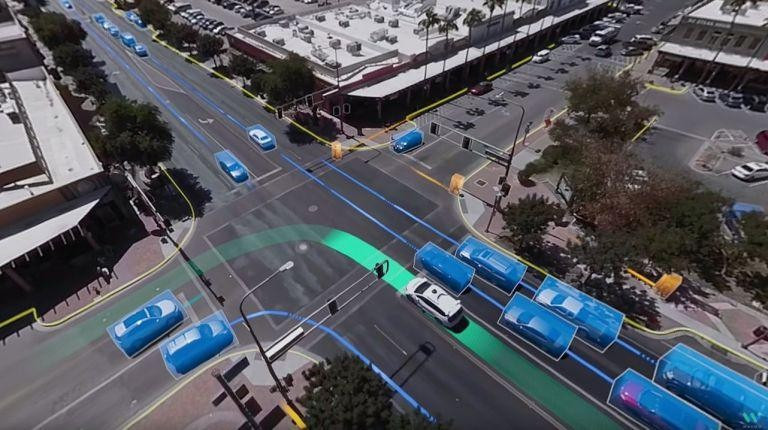
Waymo temporarily suspended its autonomous ride-hailing service in parts of San Francisco after a Pacific Gas & Electric power outage disabled traffic signals across portions of the city, affecting roughly 9,400 customers. The company paused operations for approximately one hour while coordinating with local officials and assessing roadway conditions before restoring service. Emergency officials instructed motorists to treat dark intersections as four-way stops and expect delays. The incident follows growing scrutiny over how autonomous vehicles respond during emergencies, particularly after previous traffic disruptions involving robotaxis. While the temporary shutdown demonstrated a willingness to prioritize safety, it also underscored a central challenge facing autonomous transportation: advanced self-driving technology remains heavily dependent on functioning public infrastructure and predictable operating conditions.
Sources
- https://www.sfchronicle.com/bayarea/article/waymo-service-paused-pge-outage-22350693.php
- https://www.pge.com
- https://www.sf.gov/departments/department-emergency-management
Key Takeaways
- Waymo elected to temporarily suspend service rather than operate under widespread traffic-signal failures, illustrating that human oversight and operational safeguards remain essential components of autonomous transportation.
- The outage highlights how critical infrastructure failures—including electrical grids and traffic-control systems—can significantly limit the effectiveness of self-driving vehicle networks.
- The event is likely to strengthen calls for clearer operational standards governing autonomous vehicles during emergencies, blackouts, and other public safety incidents.
In-Depth
Waymo’s decision to temporarily halt robotaxi operations during a significant San Francisco power outage demonstrates both the promise and the limitations of autonomous transportation. Rather than attempting to navigate an environment where traffic signals had failed across multiple intersections, the company chose the more cautious approach by suspending service while evaluating conditions alongside local authorities. From a public safety perspective, that was the prudent decision.
At the same time, the incident serves as another reminder that autonomous vehicles are not insulated from failures in the physical infrastructure around them. Sophisticated artificial intelligence may be capable of recognizing road hazards and responding to changing traffic conditions, but widespread utility outages create unpredictable circumstances that can quickly exceed routine operating assumptions. When intersections lose signalization and traffic patterns become dependent on human judgment, the margin for error narrows considerably.
The broader policy debate is unlikely to fade. City officials have already expressed concerns following earlier robotaxi-related traffic disruptions, and episodes like this will almost certainly increase pressure for stronger emergency protocols before autonomous fleets expand further. Advocates argue that robotaxis can ultimately reduce accidents caused by human error, while critics contend that governments should require more rigorous contingency planning before granting broader operational freedom.
Ultimately, the outage illustrates a broader reality: autonomous vehicles are becoming increasingly capable, but they are not yet independent of the reliability of the surrounding infrastructure. As deployment expands, the resilience of electrical grids, communications networks, and traffic-control systems will become just as important to successful autonomous transportation as advances in artificial intelligence itself.