

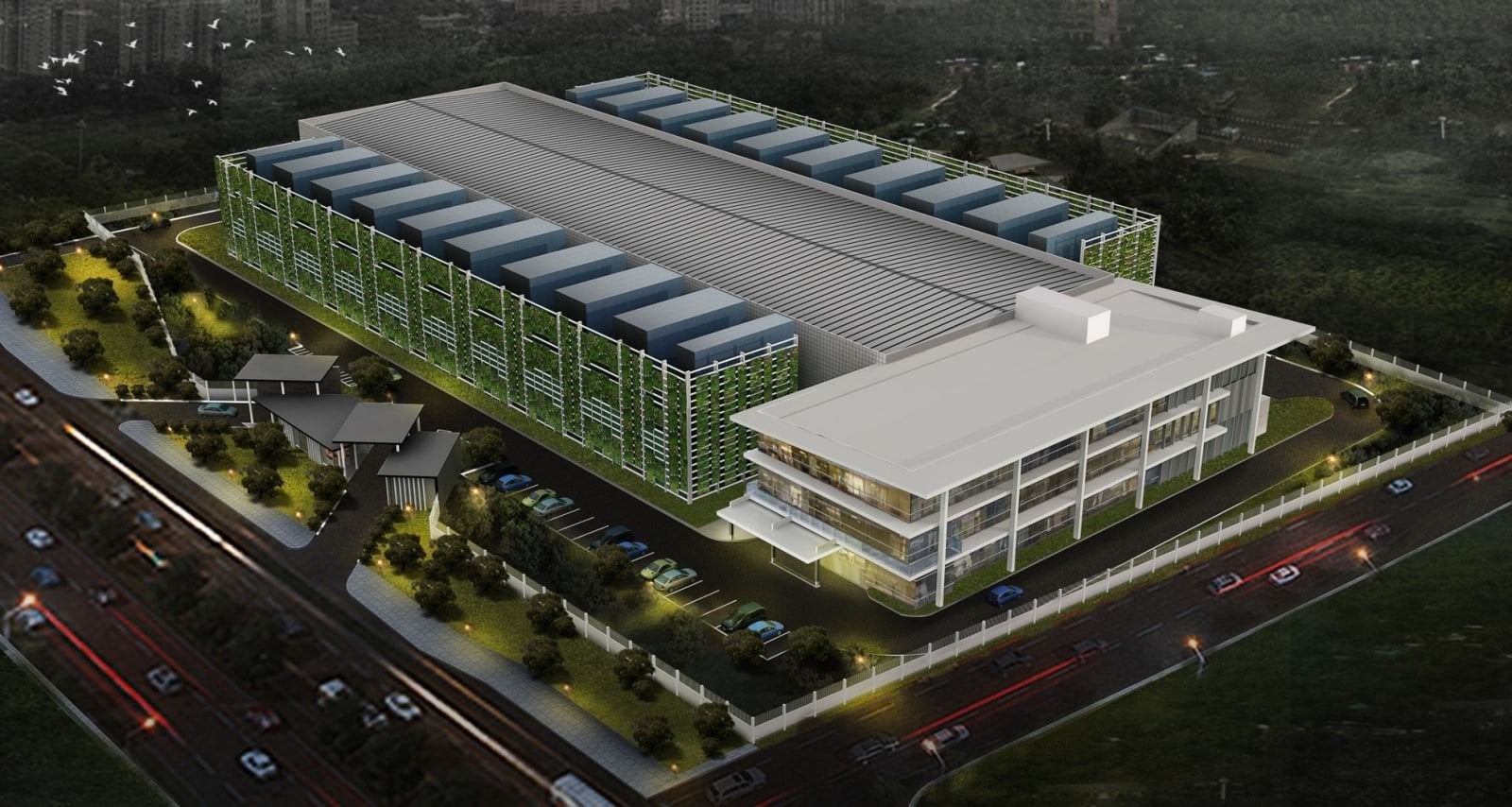
A new BloombergNEF analysis projects that America’s rapidly expanding data center industry will consume roughly 20 percent of all U.S. electricity by 2035, up dramatically from about 5.9 percent today, underscoring the enormous energy demands created by artificial intelligence. With more than 3,100 data centers already operating and another 1,800 in development, utilities and grid operators are increasingly warning that generation and transmission infrastructure may struggle to keep pace. Analysts estimate data center demand could reach 194 gigawatts by 2035, potentially leaving a substantial power shortfall even if current grid expansion rates continue. At the same time, growing local opposition to large-scale data center projects has emerged in dozens of states over concerns ranging from electricity costs and grid reliability to land use and community impacts, setting the stage for a broader political debate over how the United States can maintain technological leadership without sacrificing affordable and dependable energy.
Sources
- https://www.theepochtimes.com/us/data-centers-set-to-eat-up-20-percent-of-us-power-by-2035-report-6065049
- https://about.bnef.com
- https://www.datacentermap.com
Key Takeaways
- • Artificial intelligence is rapidly transforming electricity demand, with data centers projected to consume one-fifth of all U.S. electricity within the next decade unless computing efficiency improves significantly.
- • America’s aging electrical grid and slow pace of new power generation and transmission construction are emerging as strategic vulnerabilities that could hinder AI development and economic growth.
- • Opposition to large-scale data center construction is expanding across the country, creating a growing conflict between national technology priorities and local concerns over energy costs, land use, and infrastructure capacity.
In-Depth
America’s artificial intelligence revolution is exposing a reality that policymakers ignored for years: digital innovation still depends on physical infrastructure. Every AI model, cloud application, and advanced computing platform ultimately requires massive amounts of reliable electricity, and the nation’s existing power grid was never designed to accommodate the explosive growth now underway. The latest projections suggesting data centers could consume 20 percent of America’s electricity by 2035 illustrate just how dramatically the technology landscape has changed.
For decades, electricity demand in the United States remained relatively stable as improvements in energy efficiency offset population and economic growth. Artificial intelligence has fundamentally altered that equation. Modern AI systems require enormous computing clusters operating around the clock, forcing utilities to rethink long-term planning and compelling technology companies to secure dedicated power supplies years before facilities become operational.
This reality should serve as a wake-up call for lawmakers. The United States cannot realistically expect to dominate the global AI race while simultaneously restricting or delaying the construction of reliable electric generation and transmission infrastructure. Whether the solution comes through expanded natural gas production, new nuclear generation, cleaner coal technologies, renewable resources, or a combination of all available sources, the nation will require substantially more dependable electricity than current planning anticipated.
The challenge extends beyond simply producing more power. Transmission lines, substations, and grid modernization projects often require years of regulatory review and permitting before construction even begins. Meanwhile, private-sector investment in AI continues at a pace far faster than government infrastructure development. That mismatch threatens to create bottlenecks that could slow innovation and increase electricity costs for households and businesses alike.
At the same time, the growing grassroots resistance to data center construction demonstrates that local communities increasingly want a greater voice in determining how these facilities affect their neighborhoods. Concerns about property values, water usage, environmental impacts, and electricity reliability are legitimate issues that deserve careful consideration. Policymakers will need to balance those concerns against the strategic importance of maintaining American leadership in artificial intelligence and advanced computing.
Ultimately, the data center boom represents more than an energy story. It is becoming a test of whether the United States can still build the critical infrastructure necessary to support economic growth and technological leadership. Nations that can reliably generate abundant, affordable electricity will enjoy a competitive advantage in the AI era. If America hopes to remain the world’s innovation leader, expanding dependable energy production and modernizing the electric grid must become national priorities rather than afterthoughts.