

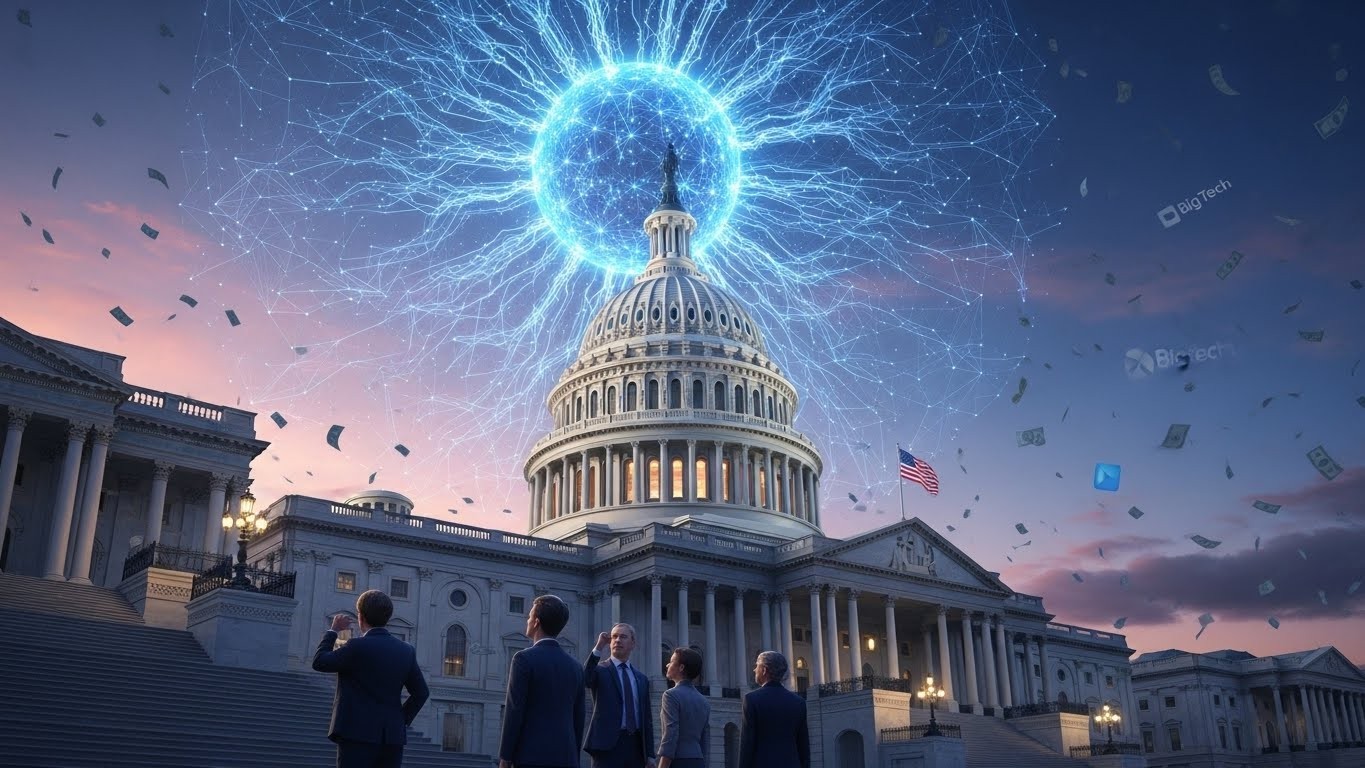
Artificial intelligence chatbots are rapidly becoming a significant component of modern political campaigns, with candidates, consultants, and advocacy organizations increasingly deploying AI-powered tools to answer voter questions, tailor messages, raise money, recruit volunteers, and expand voter outreach at a scale previously unattainable through human staff alone. Supporters argue the technology allows campaigns to communicate more efficiently with millions of voters while reducing costs, but critics warn that AI-generated responses can be inaccurate, biased, manipulative, or difficult to audit. As campaigns embrace increasingly sophisticated conversational AI ahead of future elections, policymakers and election watchdogs are debating whether existing campaign disclosure laws and election regulations are sufficient to address the emerging risks posed by automated political persuasion and voter engagement.
Sources
- https://www.nytimes.com/2026/07/19/us/politics/chatbots-political-campaigns.html
- https://www.theguardian.com/technology/2026/jul/21/election-voting-advice-ai-chatbots-inaccurate-unreliable-hungary
- https://arxiv.org/abs/2607.00551
Key Takeaways
- Political campaigns are increasingly adopting AI chatbots to communicate directly with voters, answer questions, generate campaign content, and improve operational efficiency.
- The same technology that improves voter engagement also introduces concerns over transparency, misinformation, accountability, and the difficulty of distinguishing automated persuasion from authentic human interaction.
- The rapid pace of AI adoption is outstripping the development of election regulations, raising questions about how democratic institutions should address automated political communications before they become ubiquitous.
In-Depth
Artificial intelligence is transforming political campaigning much as social media did two decades ago. Campaigns now view AI chatbots as a force multiplier capable of interacting with thousands of voters simultaneously, personalizing responses, assisting with fundraising, organizing volunteers, and providing around-the-clock engagement. For campaigns operating under tight budgets, the technology promises significant cost savings while expanding their digital reach.
That promise, however, comes with substantial risks. Unlike traditional campaign literature or television advertisements, AI-generated conversations are individualized and largely invisible to the broader public. If a chatbot provides misleading information, misrepresents a candidate’s positions, or subtly steers voters through biased responses, identifying and correcting those errors becomes considerably more difficult. Recent research examining AI-generated political advice demonstrates that large language models can produce inconsistent or inaccurate recommendations while presenting them with an authoritative tone, reinforcing concerns that voters may place unwarranted trust in automated systems.
From a conservative perspective, these developments underscore the need for transparency rather than sweeping government control. Voters deserve to know when they are interacting with artificial intelligence instead of campaign staff, and campaigns should remain accountable for the information their AI systems distribute. The technology itself is neither inherently beneficial nor inherently dangerous; its impact will depend on whether campaigns employ it honestly and whether election laws evolve quickly enough to preserve voter confidence while allowing innovation to continue.