

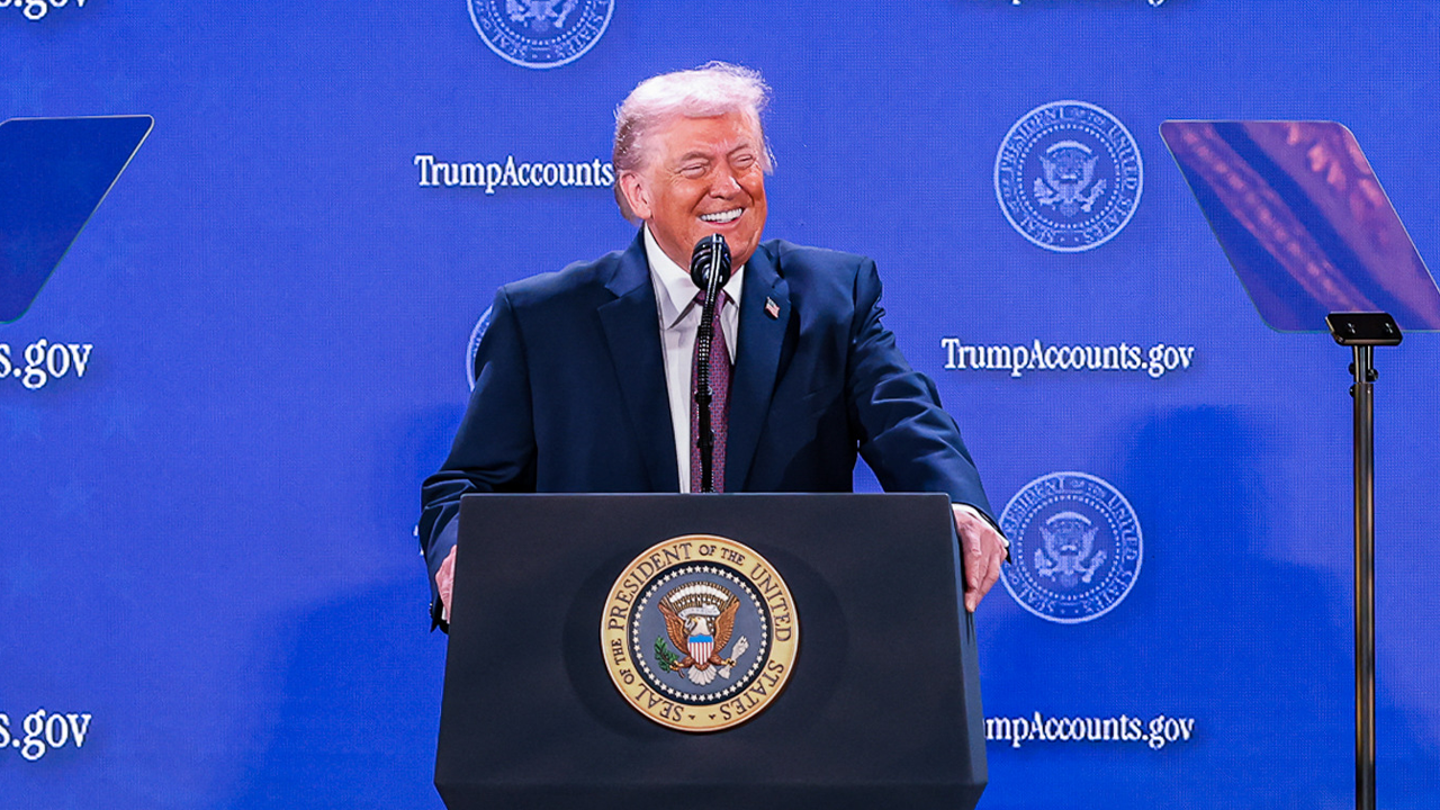
President Donald Trump announced a major expansion of the administration’s Ratepayer Protection Pledge, bringing together 23 Republican governors, technology companies, utility providers, legislators, and data center developers in a coalition that pledges to prevent the costs associated with powering America’s rapidly expanding artificial intelligence infrastructure from being passed on to residential utility customers. The initiative seeks to balance the nation’s aggressive push to dominate the global AI race with protections for working families already burdened by higher energy bills. Administration officials argue that the coalition demonstrates economic growth and technological leadership need not come at the expense of ordinary Americans, while emphasizing that the private sector—not ratepayers—should bear the financial responsibility for expanding AI-related energy infrastructure.
Sources
- https://www.foxnews.com/politics/trump-unveils-massive-coalition-protecting-americans-rising-costs-admin-pursues-top-priority
- https://www.whitehouse.gov
- https://www.epa.gov
Key Takeaways
- • The Trump administration expanded the Ratepayer Protection Pledge by adding governors, utilities, developers, and additional stakeholders committed to preventing AI data center energy costs from being shifted onto residential customers.
- • More than 200 stakeholders have reportedly joined the initiative, reflecting growing industry participation as artificial intelligence infrastructure rapidly expands across the United States.
- • The administration is framing the effort as a way to preserve America’s competitive advantage in artificial intelligence while protecting consumers from higher electricity rates.
In-Depth
As artificial intelligence becomes one of the defining economic and national security competitions of the twenty-first century, the United States faces a difficult challenge: how to build the enormous computing infrastructure necessary to remain ahead of geopolitical competitors without forcing American households to subsidize that expansion through higher utility bills. The Trump administration’s expanded Ratepayer Protection Pledge is intended to address precisely that concern.
The coalition announced by President Trump significantly broadens the number of participants willing to commit publicly that the costs associated with constructing and powering new AI-focused data centers will not simply be transferred to residential electricity customers. According to administration officials, Republican governors, utility executives, technology companies, legislators, and infrastructure developers are joining together under a common framework that requires those benefiting from the facilities to absorb the associated costs rather than expecting families and small businesses to shoulder the burden.
The announcement reflects growing public concern over the explosive growth of data centers nationwide. Modern artificial intelligence systems require vast computing capacity, and those facilities consume tremendous amounts of electricity while demanding significant investments in transmission infrastructure and generation capacity. Many communities have welcomed the jobs and tax revenue that accompany data center construction, yet residents have increasingly questioned whether they will ultimately pay for those projects through higher monthly electric bills.
Supporters of the administration’s initiative argue that the pledge offers a practical solution by preserving America’s ability to compete aggressively in AI while protecting consumers from unintended financial consequences. Rather than slowing development or imposing additional regulatory barriers, the strategy encourages continued private investment while placing responsibility for associated energy costs on the companies that stand to profit from AI expansion.
From a conservative perspective, the initiative also represents an attempt to reconcile two priorities that are sometimes portrayed as conflicting: promoting free-market economic growth and defending taxpayers and ratepayers from unnecessary financial burdens. Instead of asking government to subsidize the industry’s expansion or allowing utilities to spread costs broadly among consumers, the administration is emphasizing private-sector accountability and voluntary commitments from participating organizations.
The broader strategic objective extends beyond utility bills. Administration officials contend that maintaining American leadership in artificial intelligence is essential for future economic prosperity, technological innovation, and national security. As global competitors continue investing heavily in AI infrastructure, the White House argues that the United States cannot afford to fall behind. At the same time, it maintains that ordinary Americans should not be asked to finance that race through steadily increasing electricity costs.
Whether the expanded coalition ultimately succeeds will depend largely on how faithfully participating organizations honor their commitments and whether future energy demand can be met without placing additional pressure on residential ratepayers. Nevertheless, the announcement signals that the administration intends to pursue rapid AI infrastructure development while making consumer protection a central component of that strategy.