

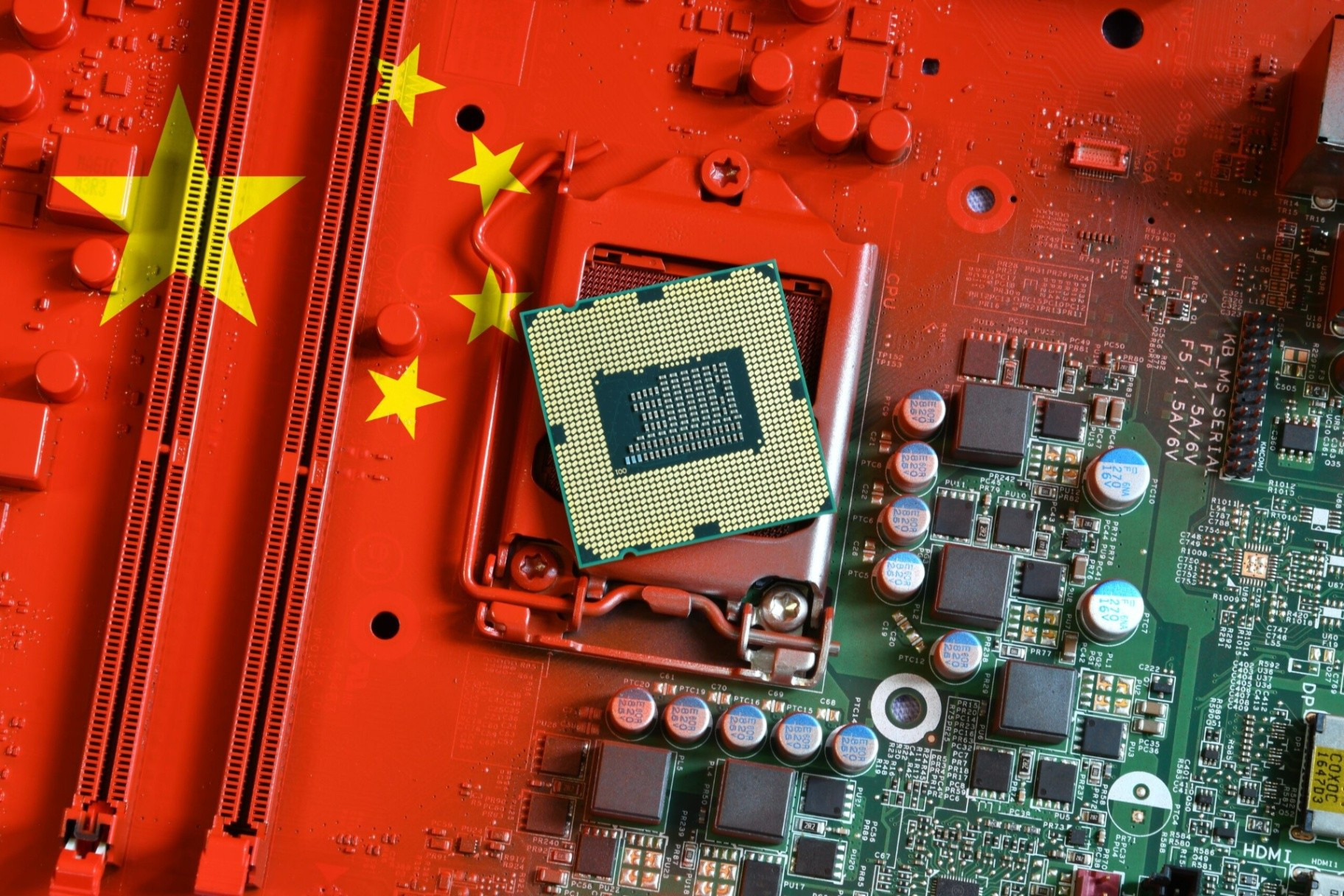
China has proposed sweeping new export controls on artificial intelligence and other strategically important technologies, escalating its technological rivalry with the United States and strengthening Beijing’s authority over innovations developed within its borders. Announced October 16, 2026, the proposal would add 40 technologies to China’s restricted or prohibited export catalogue, including 23 involving AI, advanced computing, semiconductor design, and autonomous AI agents. Fourteen technologies would face outright export bans, while 26 would require government authorization. Although publicly available and open-source technologies would generally remain exempt, China has immediately introduced temporary registration requirements for certain international technology transfers. The proposal, open for public comment until November 15, reflects Beijing’s determination to protect its technological advantages while asserting greater control over an industry increasingly central to economic competitiveness, national security, and geopolitical influence.
Key Takeaways
• Strategic Technology Restrictions: China proposes controlling exports of 40 advanced technologies, including 23 AI-related categories, with 14 facing outright prohibitions and 26 requiring licenses.
• Expanded Government Oversight: Temporary registration requirements already apply to covered technology transfers, foreign licensing arrangements, and certain ownership changes, giving Beijing greater visibility into international technology transactions.
• Intensifying U.S.–China Competition: The restrictions reinforce the growing technological divide between the two powers, raising concerns about innovation, international investment, supply chains, and national security.
In-Depth
China’s latest technology export proposal represents another significant development in the contest for global technological supremacy. By restricting access to advanced artificial intelligence, semiconductor designs, and computing infrastructure, Beijing is positioning technological innovation as both an economic asset and an instrument of national power.
The proposed regulations cover 40 technologies across artificial intelligence, biotechnology, and solar manufacturing. Among the 23 AI-related categories are advanced language models, autonomous agents, and computing clusters. Fourteen technologies would be prohibited from export, while another 26 would require government authorization. Temporary registration requirements have already taken effect for covered transactions.
Chinese officials characterize the restrictions as necessary safeguards against national security threats, including AI-enabled cyberattacks and the misuse of sensitive technologies. However, the measures also strengthen Beijing’s ability to determine which foreign governments and businesses can acquire strategically valuable Chinese innovations.
The proposal arrives amid longstanding American restrictions on advanced semiconductor exports to China. While Washington has sought to prevent sensitive American technology from strengthening Chinese military and intelligence capabilities, Beijing is increasingly demonstrating its willingness to exercise comparable leverage over its own technological assets.
Importantly, publicly available and open-source technologies generally remain exempt, and certain international research activities qualify for simplified licensing. Nevertheless, the restrictions could complicate foreign acquisitions, technology partnerships, and overseas expansion by Chinese developers.
For the United States, the implications extend beyond commercial competition. China’s expanding control over critical technologies underscores the importance of domestic innovation, secure supply chains, intellectual property protection, and maintaining American leadership in artificial intelligence without surrendering that advantage to strategic competitors.
Sources
• https://www.wsj.com/economy/trade/china-proposes-export-controls-on-ai-technologies-75ac2030
• https://apnews.com/article/5ac381c0c6d6628bbea2e0da7d855a5b
• https://www.mofcom.gov.cn/zwgk/zcjd/art/2026/art_b11d5c1e9374421e93e85dc87eba6e38.html
• https://www.ft.com/content/e0a1295c-4492-4fdd-aaf5-55678a9ef9bf