

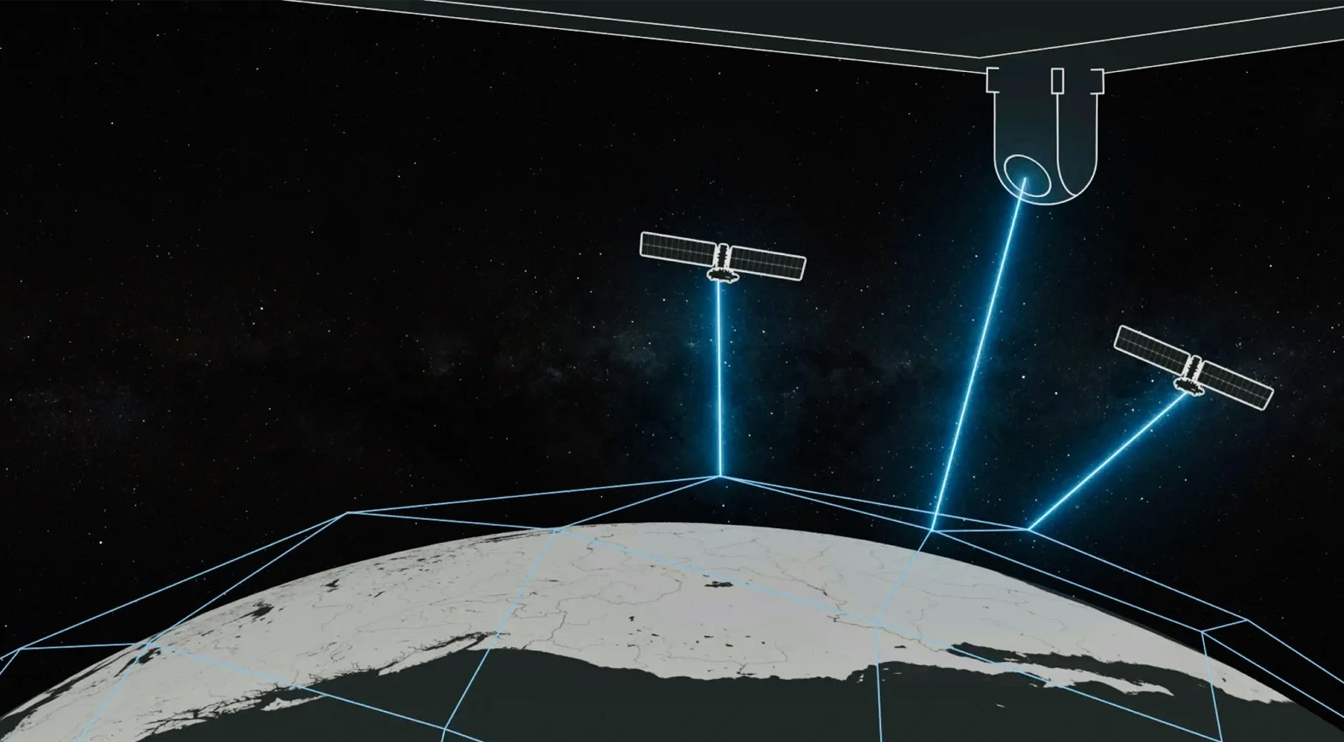
A sudden disruption to SpaceX‘s Starshield satellite network has exposed Ukraine’s dependence on American-controlled military communications technology and raised questions about who ultimately determines its battlefield availability. Starshield, the defense-oriented counterpart to Elon Musk‘s commercial Starlink system, provides secure communications and connectivity for military drones, intelligence gathering, and other national security operations. Recent restrictions reportedly interfered with Ukrainian drone missions, particularly those involving aircraft traveling above approximately 100 miles per hour. Musk maintains that Starshield is controlled by the U.S. government, with operational decisions resting with military authorities rather than SpaceX alone. Although some services have been restored, the incident highlights the strategic consequences of relying on foreign-controlled infrastructure during wartime.
Key Takeaways
• Government Control: Musk says Starshield operates under U.S. government authority, distinguishing its military capabilities from commercially operated Starlink services.
• Battlefield Disruption: Restrictions affecting satellite connectivity reportedly interrupted Ukrainian drone operations, surveillance missions, and defensive capabilities against Russian attacks.
• Strategic Dependence: The controversy exposes Ukraine’s reliance on American satellite infrastructure and raises questions about military sovereignty, operational accountability, and Washington’s leverage over allied defense operations.
In-Depth
SpaceX’s Starshield network has become an increasingly important component of American military technology, providing secure satellite communications, intelligence capabilities, and connectivity for sophisticated battlefield systems. Unlike commercial Starlink services, Starshield is designed specifically for government and national security applications, including military operations requiring enhanced security and operational reliability.
The distinction has acquired immediate significance in Ukraine, where unexpected service restrictions reportedly disrupted drone operations and battlefield communications. Ukrainian forces have incorporated satellite connectivity into reconnaissance, targeting, and defensive systems, making reliable access essential to modern combat operations. Restrictions affecting equipment traveling faster than approximately 100 miles per hour reportedly compromised missions involving military drones.
The controversy also raises questions about operational authority. Elon Musk maintains that Starshield is controlled by the United States government, with decisions concerning military access ultimately resting with American authorities. President Donald Trump has denied responsibility for restricting Ukraine’s access, leaving conflicting accounts about who authorized the limitations and why.
The broader implications extend beyond Ukraine. American defense contractors increasingly provide technological infrastructure once developed and operated almost exclusively by government agencies. Such partnerships offer innovation, efficiency, and military advantages, but they also demand clearly defined responsibilities and transparent chains of command.
For Washington, the central issue is maintaining sovereign control over strategically important military capabilities while protecting American national security interests. For Ukraine, the disruption demonstrates the vulnerability of depending on another government’s technology during an active conflict.
Ultimately, Starshield illustrates a defining reality of modern warfare: technological superiority matters, but control over the technology can prove equally decisive.
Sources
• https://www.wsj.com/business/telecom/how-does-starshield-work-and-who-controls-it-270cbe68
• https://apnews.com/article/c4e78116472c1808f077e078442dde76
• https://apnews.com/article/385eb944f6c34990bdf21f624416b820