

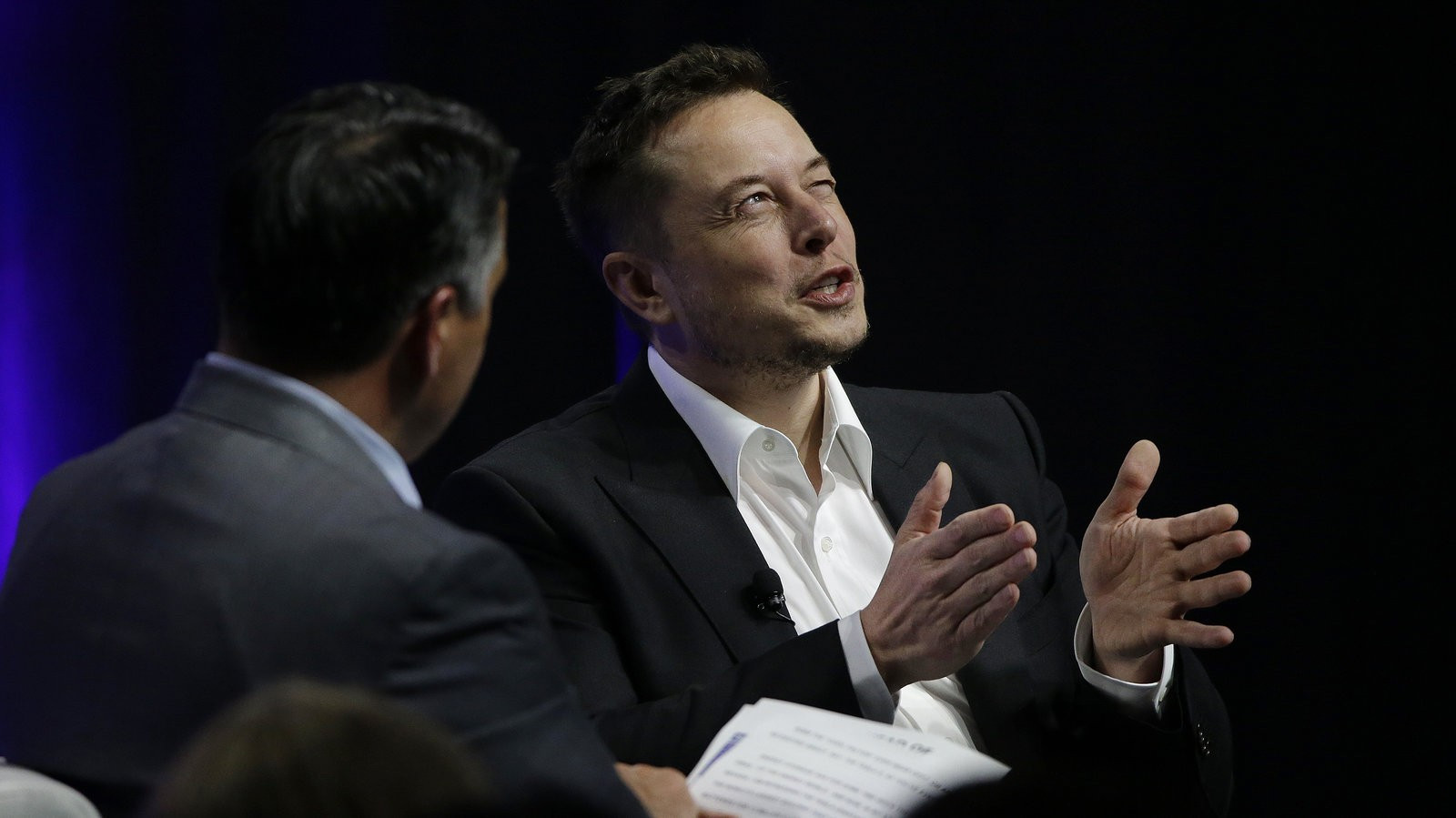
Elon Musk has announced plans to give one share of SpaceX stock to every child in America in 2027, a historic private-sector wealth transfer potentially exceeding $10 billion. With approximately 72 million Americans under age 18 and SpaceX shares recently valued at $146.03, the proposed giveaway could introduce an entire generation to stock ownership and long-term investment. Musk’s announcement follows a competing artificial intelligence company’s commitment to establish a charitable fund using its own equity. Although eligibility requirements and distribution procedures remain unspecified, the initiative could potentially use federally established Trump Accounts, which encourage investment and wealth accumulation for children. The pledge represents an ambitious experiment in distributing corporate prosperity directly to American families rather than through traditional philanthropic institutions.
Key Takeaways
• Historic Wealth Transfer: Musk’s pledge could distribute approximately $10.5 billion in SpaceX equity to American children, potentially establishing millions of young shareholders.
• Private Enterprise Over Government Redistribution: The initiative emphasizes voluntary wealth sharing through private ownership, potentially using Trump Accounts to encourage long-term investment.
• Implementation Questions Remain: Eligibility, distribution procedures, tax implications, and investment restrictions have not been finalized, leaving significant questions about how families would receive and manage the shares.
In-Depth
Elon Musk’s promise to distribute SpaceX shares to every American child represents an unconventional approach to philanthropy, emphasizing individual ownership rather than traditional charitable institutions. Announced October 19, the proposed 2027 distribution could transfer more than $10 billion in corporate equity directly to younger Americans.
With approximately 72 million children potentially eligible, the initiative would provide each recipient with a tangible financial stake in one of America’s most prominent aerospace and technology enterprises. At SpaceX’s recent closing price of $146.03, each share would represent a modest initial investment with potential for future appreciation, although market losses remain possible.
The announcement followed a rival artificial intelligence company’s commitment to allocate five percent of its shares toward a public benefit fund. Musk instead advocated distributing ownership directly to individuals, reflecting a philosophy that economic opportunity can be expanded through private investment rather than institutional redistribution.
The proposal also raises the possibility of using Trump Accounts, federally supported investment vehicles designed to encourage wealth accumulation beginning in childhood. Such an arrangement could introduce millions of families to capital markets while reinforcing the relationship between entrepreneurship, investment, and financial independence.
Nevertheless, significant questions remain unanswered. Musk has not specified eligibility requirements, distribution mechanisms, applicable tax treatment, or whether recipients would face restrictions on selling their shares.
If implemented successfully, the initiative could establish an important precedent for voluntary corporate wealth sharing. Its broader significance would extend beyond the immediate dollar value, demonstrating how private enterprise can potentially expand ownership opportunities without creating another permanent government entitlement.
Sources
• https://abcnews.com/Business/elon-musk-vows-give-share-spacex-stock-us/story?id=137374928
• https://www.cbsnews.com/news/elon-musk-spacex-shares-us-children/
• https://www.axios.com/2026/10/19/elon-musk-spacex-shares-kids