

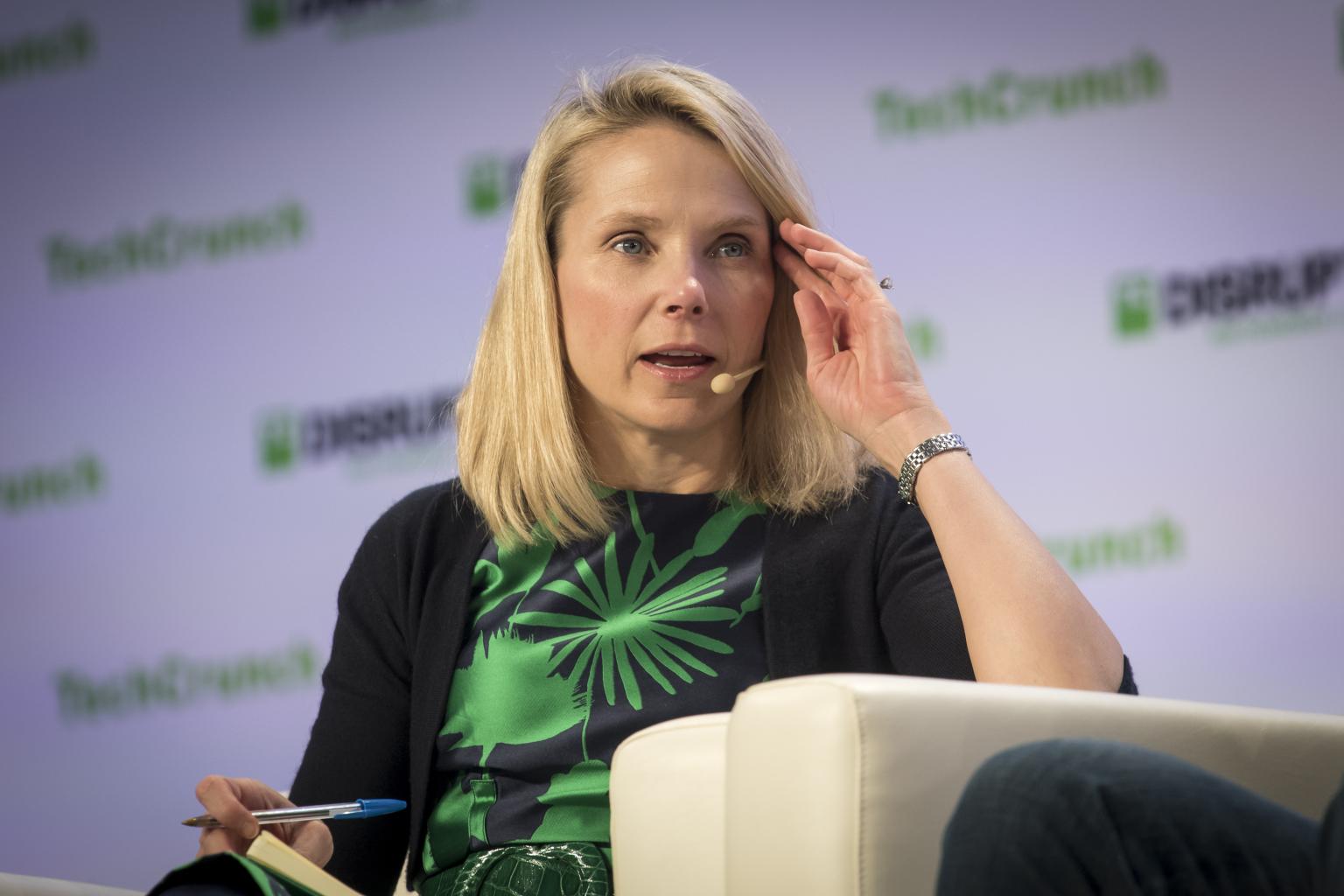
Former Yahoo CEO Marissa Mayer has ignited a controversy over artificial intelligence and parenting after revealing that she used her startup‘s AI assistant, Dazzle, to identify three qualities that made her 10-year-old daughter special for a school birthday tribute. The software described her daughter, Marielle, as empathetic, creative and an animal lover, an answer Mayer praised as perfect. Critics questioned why a mother would rely on technology for such a personal assignment, accusing Silicon Valley executives of outsourcing fundamental human relationships to machines. Mayer subsequently defended her decision, explaining that she was testing Dazzle’s ability to retrieve meaningful family memories from photographs rather than asking technology to replace her judgment. The dispute has raised broader questions about whether AI’s growing role in family life threatens to undermine the personal attention, independent thinking and parental involvement essential to raising children.
Key Takeaways
• AI Replaces Personal Reflection: Mayer used her company’s AI assistant to help describe her daughter for a school birthday tribute, prompting criticism over technology’s intrusion into intimate family responsibilities.
• Mayer Defends Her Decision: The former technology executive said Dazzle uncovered forgotten childhood projects and memories, allowing her to combine AI-generated insights with her own observations.
• Parenting and Privacy Concerns Intensify: The controversy highlights growing questions about AI dependency, parental judgment and the implications of allowing technology companies to analyze private family photographs.
In-Depth
Former Yahoo CEO Marissa Mayer is facing widespread criticism after revealing that she turned to artificial intelligence to help identify three qualities that made her daughter special. The assignment, intended for a school birthday celebration, became a national controversy when Mayer described how her startup’s AI assistant, Dazzle, generated the requested characteristics.
The software identified her daughter, Marielle, as empathetic, creative and an animal lover. Although Mayer praised the description, critics questioned why an accomplished technology executive would need computerized assistance to articulate basic observations about her own child. The episode quickly became a flashpoint in the growing debate over technology’s encroachment on family relationships.
Mayer subsequently defended her actions, explaining that she wanted to test Dazzle’s capabilities rather than surrender her parental responsibilities. According to her account, the software analyzed family photographs, distinguished between her identical twin daughters and rediscovered forgotten kindergarten projects. She said she incorporated those findings into a birthday presentation alongside her own observations.
The controversy also draws attention to Dazzle’s business model. Unlike conventional AI assistants that primarily process written instructions, the application examines personal photo libraries to identify relationships, preferences and experiences. Mayer envisions the technology helping families organize activities, manage responsibilities and make everyday decisions more efficiently.
Nevertheless, the incident raises legitimate questions about the limits of technological convenience. Family photographs contain intimate information about children, relationships and private activities, making the collection and processing of such material an important privacy consideration.
More fundamentally, the backlash reflects resistance to allowing algorithms to assume responsibilities traditionally grounded in personal knowledge and parental judgment. While artificial intelligence can retrieve forgotten memories and simplify household organization, critics argue that technological efficiency should not become a substitute for genuine human engagement. Mayer’s experience illustrates the increasingly difficult boundary between using technology as a helpful instrument and allowing it to mediate the most personal aspects of family life.
Sources
• https://www.fastcompany.com/91629962/marissa-mayer-former-yahoo-ceo-backlash-ai-parenting-anecdote
• https://thenextweb.com/news/marissa-mayer-dazzle-ai-daughter-backlash
• https://www.ibtimes.co.uk/marissa-mayer-ai-describe-daughter-parenting-debate-1827790