

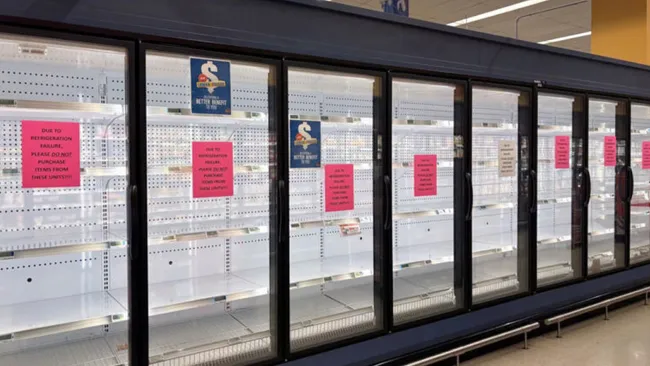
- Cyberattacks struck supermarket refrigeration systems across at least six European countries, remotely raising temperatures to 122 degrees Fahrenheit and forcing retailers to discard spoiled food.
- The latest attacks reportedly affected more than 115 stores, following an October incident that hit hundreds of French retailers and exposed serious vulnerabilities in internet-connected refrigeration equipment.
- Investigators have not identified the perpetrators, raising concerns about the security of food distribution systems, aging technology and the potential for widespread economic disruption.
A wave of suspected cyberattacks disrupted supermarket refrigeration systems across Europe on Nov. 2, sending temperatures in some units to 122 degrees Fahrenheit and forcing retailers to discard food. Stores in Sweden, Belgium, Luxembourg, Ireland, Estonia, the Netherlands and Finland reported problems. More than 115 stores were affected, according to one cybersecurity report, although the full scope remains uncertain. Retailers said attackers apparently altered temperature settings remotely or interfered with defrost cycles, leaving meat, dairy products and frozen merchandise unsafe for sale.
The incidents followed an October attack affecting hundreds of French supermarkets, where investigators identified compromised refrigeration controllers. Some vulnerable systems were older devices that no longer received security updates. Grocery chains and equipment suppliers worked to restore operations, with several stores removing products as a precaution. No organization has claimed responsibility, and investigators have not established whether the latest incidents were coordinated or connected to the earlier French attacks.
Why It Matters
The supermarket attacks expose a troubling weakness in Europe’s food supply: equipment designed to preserve groceries can become a tool for destroying them when internet-connected controls are poorly secured. Criminals do not need to breach an entire retail network to inflict substantial losses. Access to a vulnerable refrigeration controller may be enough.
The threat extends beyond wasted inventory. Spoiled food raises costs for independent grocers, interrupts local supplies and could ultimately increase expenses for consumers. Repeated incidents also demonstrate why cybersecurity must protect physical infrastructure, not merely customer data and financial accounts.
Governments and businesses should prioritize practical defenses, including removing unsupported controllers, restricting remote access, strengthening authentication and maintaining independent temperature alarms. Suppliers must also provide clear security guidance throughout equipment lifecycles. Investigators have not identified the perpetrators or established a coordinated foreign campaign, making speculation about state involvement premature. The demonstrated vulnerability, however, demands immediate attention before further losses occur.
Sources
- https://www.techradar.com/tech/supermarket-freezers-across-europe-hit-by-fresh-cold-war-cyberattack-temperatures-raised-to-50c-forcing-grocers-to-throw-away-food
- https://www.bleepingcomputer.com/news/security/hackers-disrupt-refrigeration-systems-at-european-supermarkets/
- https://therecord.media/cyberattack-grocery-freezers-europe
- https://www.afp.com/en/fridge-cyberattack-hits-supermarkets-across-europe
- https://www.reuters.com/business/retail-consumer/temperature-soars-swedish-grocery-store-freezers-one-store-blames-hackers-2026-11-02/
- https://apnews.com/article/a8ea5b30d67da47957769f29101fe686