

Close Menu

    Subscribe to Updates

    Get the latest creative news from FooBar about art, design and business.

    What's Hot

    Ralph Wiggum Plugin Emerges as a Trending Autonomous AI Coding Tool in Claude

    January 14, 2026

    New Test-Time Training Lets Models Keep Learning Without Costs Exploding

    January 14, 2026

    UK, Australia, Canada Clash With Elon Musk Over AI Safety, Truss Pushes Back

    January 13, 2026
    Facebook X (Twitter) Instagram
    • Tech
    • AI News
    Facebook X (Twitter) Instagram Pinterest VKontakte
    TallwireTallwire
    • Tech

      New Test-Time Training Lets Models Keep Learning Without Costs Exploding

      January 14, 2026

      Ralph Wiggum Plugin Emerges as a Trending Autonomous AI Coding Tool in Claude

      January 14, 2026

      Smart Ring Shake-Up: Oura’s Patent Win Shifts U.S. Market Landscape

      January 13, 2026

      Researchers Push Boundaries on AI That Actually Keeps Learning After Training

      January 13, 2026

      UK, Australia, Canada Clash With Elon Musk Over AI Safety, Truss Pushes Back

      January 13, 2026
    • AI News
    TallwireTallwire
    Home»Tech»Google’s AI Hardware Strategy: Building an Ecosystem, Not Just a Gadget
    Tech

    Google’s AI Hardware Strategy: Building an Ecosystem, Not Just a Gadget

    Updated:December 25, 20253 Mins Read
    Facebook Twitter Pinterest LinkedIn Tumblr Email
    Google’s AI Hardware Strategy: Building an Ecosystem, Not Just a Gadget
    Google’s AI Hardware Strategy: Building an Ecosystem, Not Just a Gadget
    Share
    Facebook Twitter LinkedIn Pinterest Email

    At its latest “Made by Google” event, the company underscored a growing shift toward ambient computing by building an interconnected ecosystem of AI-powered devices—from Pixel phones to wearables like Pixel Watch 4—each enhanced by on-device Gemini AI rather than relying on a single mega-device. Rather than chasing hardware specs alone, Google is leaning on Gemini, Magic Cue, and AI health coaching to make personalized, proactive experiences happen across voice, photo, and health domains, suggesting a future where seamless integration across devices matters more than flashy standalone features. Industry observers note this signals a strategic pivot to an “AI-first,” repair-friendly and ecosystem-driven product philosophy.

    Sources: The Verge, Android Central, Wired

    Key Takeaways

    – Google is embracing an AI-first ecosystem approach—favoring interconnected, ambient devices powered by Gemini over monolithic hardware.

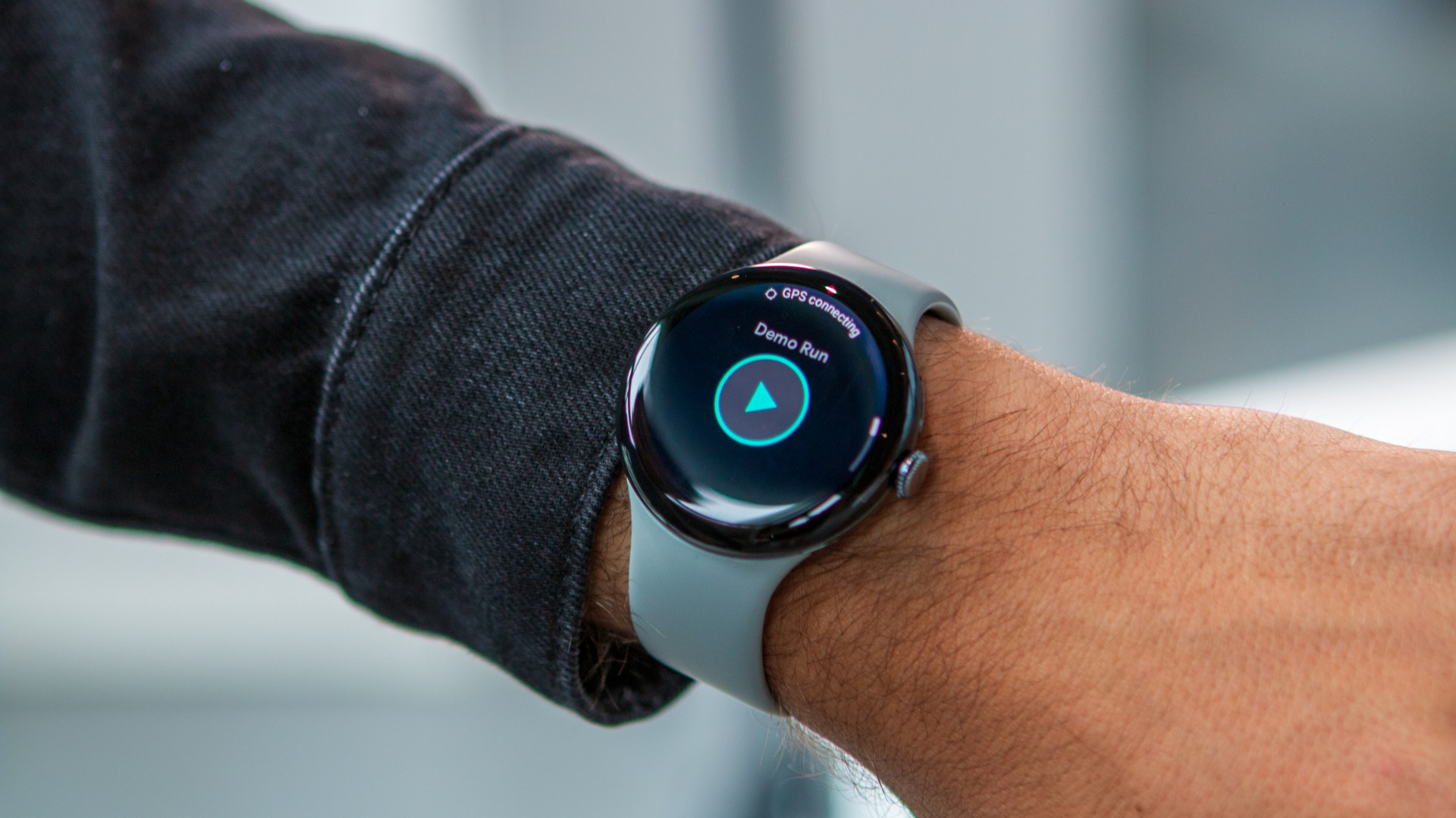
    – The Pixel Watch 4 becomes a wrist-worn AI hub with onboard Gemini health coaching, SOS features, and a more repairable design.

    – Google’s broader strategy emphasizes repairability, consistency across its AI-enhanced lineup, and tighter integration across phones, wearables, and earbuds for a cohesive user experience.

    In-Depth

    Google’s recent push toward ambient computing marks a thoughtful pivot in how we should think about the future of AI—and specifically, how it’s woven into our everyday devices. Instead of relying on one all-knowing gadget, Google is crafting a finely tuned network of AI-powered hardware, from its flagship Pixel phones to wearables like the Pixel Watch 4, creating a fluid ecosystem where intelligence follows you rather than asks you to adapt.

    Take the Pixel Watch 4, for example: it’s not just a watch anymore—it’s your health monitor, personal coach, and emergency responder, thanks to on-device Gemini AI. Battery life, repairability, and thoughtful design make it not just smart, but sensible for real life. Meanwhile, the Pixel phones—especially the Pixel 10 series—are more than powerful flagships; they’re hubs in that AI mesh, delivering features like Magic Cue and Camera Coach while keeping privacy intact through on-device processing.

    What stands out is Google’s bigger play: they’re not just launching products—they’re building a strategy. By making each product part of an intelligent web, Google ensures each device feeds the other. Your watch knows when your phone will fly you out on your next trip. Your phone pulls up the right boarding pass when you’re near your gate, all without hassle.

    This isn’t about hype—it’s a grounded vision of devices that genuinely want to help, without the clutter. It’s smarter hardware, smarter AI, tied together in a way that feels intuitive rather than intrusive, and quietly, practically revolutionary.

    Share. Facebook Twitter Pinterest LinkedIn Tumblr Email
    Previous ArticleGoogle Rolls Out “Nano Banana” AI Editing to Search, NotebookLM, and Eventually Photos
    Next Article Google’s AI Mode Moves from Answers to Actions—Now Books Reservations in 180+ Countries

    Related Posts

    New Test-Time Training Lets Models Keep Learning Without Costs Exploding

    January 14, 2026

    Ralph Wiggum Plugin Emerges as a Trending Autonomous AI Coding Tool in Claude

    January 14, 2026

    Smart Ring Shake-Up: Oura’s Patent Win Shifts U.S. Market Landscape

    January 13, 2026

    Researchers Push Boundaries on AI That Actually Keeps Learning After Training

    January 13, 2026
    Add A Comment
    Leave A Reply Cancel Reply

    Editors Picks

    New Test-Time Training Lets Models Keep Learning Without Costs Exploding

    January 14, 2026

    Ralph Wiggum Plugin Emerges as a Trending Autonomous AI Coding Tool in Claude

    January 14, 2026

    Smart Ring Shake-Up: Oura’s Patent Win Shifts U.S. Market Landscape

    January 13, 2026

    Researchers Push Boundaries on AI That Actually Keeps Learning After Training

    January 13, 2026
    Top Reviews
    Tallwire
    Facebook X (Twitter) Instagram Pinterest YouTube
    • Tech
    • AI News
    © 2026 Tallwire. Optimized by ARMOUR Digital Marketing Agency.

    Type above and press Enter to search. Press Esc to cancel.