

Close Menu

    Subscribe to Updates

    Get the latest creative news from FooBar about art, design and business.

    What's Hot

    Ralph Wiggum Plugin Emerges as a Trending Autonomous AI Coding Tool in Claude

    January 14, 2026

    New Test-Time Training Lets Models Keep Learning Without Costs Exploding

    January 14, 2026

    UK, Australia, Canada Clash With Elon Musk Over AI Safety, Truss Pushes Back

    January 13, 2026
    Facebook X (Twitter) Instagram
    • Tech
    • AI News
    Facebook X (Twitter) Instagram Pinterest VKontakte
    TallwireTallwire
    • Tech

      New Test-Time Training Lets Models Keep Learning Without Costs Exploding

      January 14, 2026

      Ralph Wiggum Plugin Emerges as a Trending Autonomous AI Coding Tool in Claude

      January 14, 2026

      Smart Ring Shake-Up: Oura’s Patent Win Shifts U.S. Market Landscape

      January 13, 2026

      Researchers Push Boundaries on AI That Actually Keeps Learning After Training

      January 13, 2026

      UK, Australia, Canada Clash With Elon Musk Over AI Safety, Truss Pushes Back

      January 13, 2026
    • AI News
    TallwireTallwire
    Home»Tech»Google’s Jules AI Gets Smarter with New Code-Critic Update
    Tech

    Google’s Jules AI Gets Smarter with New Code-Critic Update

    Updated:December 25, 20253 Mins Read
    Facebook Twitter Pinterest LinkedIn Tumblr Email
    Google’s Jules AI Gets Smarter with New Code-Critic Update
    Google’s Jules AI Gets Smarter with New Code-Critic Update
    Share
    Facebook Twitter LinkedIn Pinterest Email

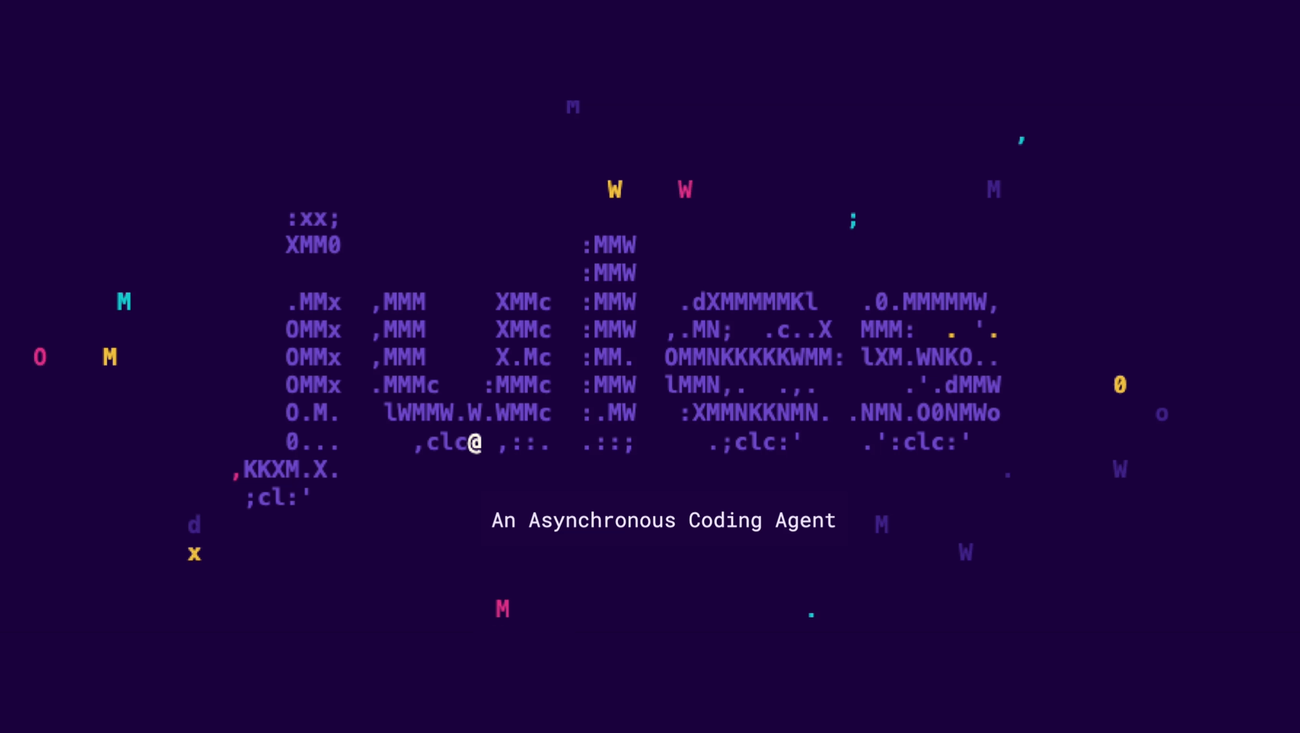
    Google’s AI-powered coding agent, Jules, has just received a notable quality upgrade: a built-in “critic” feature that performs adversarial reviews to catch inefficiencies or vulnerabilities in code before it’s delivered, helping reduce buggy or sloppy pull requests. The agent runs asynchronously in secure Google Cloud VMs, powered by the Gemini 2.5 Pro model, and integrates directly with GitHub to present its code changes along with reasoning and diffs. Public availability continues with a free tier (15 tasks/day, 3 concurrent), while paid tiers (Pro, Ultra) offer higher task limits and priority access to model improvements. Critics of AI coding tools will likely welcome this safety-first step, even as debates about trust and oversight persist.

    Sources: TechRadar, Google Blog, IT Pro

    Key Takeaways

    – Google added a “critic” reviewer inside Jules that flags risky or inefficient code before human review, aiming to boost output quality and security.

    – Jules is now officially out of beta: it’s generally available with free and tiered paid plans offering increasing levels of access, throughput, and new features.

    – Built on Gemini 2.5 Pro and running in cloud-hosted GitHub-integrated environments, Jules can autonomously handle tasks like bug fixes, tests, dependency bumps, feature builds, and audio changelogs—working in the background while developers focus on higher-value work.

    In-Depth

    Google’s latest quality push with the Jules coding agent reflects a conservative—and commendably thoughtful—step in the ongoing integration of AI into software development.

    Jules already takes on repetitive but crucial developer tasks—writing tests, fixing bugs, updating dependencies—all via GitHub and running in secure Google Cloud VMs powered by Gemini 2.5 Pro. But now, with the critic feature, Google is emphasizing reliability: before code ever reaches human eyes, the critic runs a peer-style review, spotting subtle logic flaws or inefficient patterns and sending them back for refinement. It’s a modest but critical layer of protection.

    This move not only addresses legitimate developer concerns about trust in AI-generated code, but also signals Google’s intent to mature Jules from an experimental novelty into a dependable component of professional tool chains. Availability across free, Pro, and Ultra tiers ensures accessibility for hobbyists, solo devs, and enterprise-scale workflows alike—with clearly defined task quotas and priority access baked into the pricing.

    Overall, the update strikes a balance between boosting automation and maintaining human oversight where it still matters most—reducing “slop PRs” without removing the developer from the loop. In a world rapidly watching AI reshape coding, that’s a conservative but solid strategy for sustainable integration.

    Share. Facebook Twitter Pinterest LinkedIn Tumblr Email
    Previous ArticleGoogle’s Eco Claim Under Scrutiny: Just Five Drops of Water per Gemini AI Query?
    Next Article Google’s Quiet Offline Photo App Gains Buzz

    Related Posts

    New Test-Time Training Lets Models Keep Learning Without Costs Exploding

    January 14, 2026

    Ralph Wiggum Plugin Emerges as a Trending Autonomous AI Coding Tool in Claude

    January 14, 2026

    Smart Ring Shake-Up: Oura’s Patent Win Shifts U.S. Market Landscape

    January 13, 2026

    Researchers Push Boundaries on AI That Actually Keeps Learning After Training

    January 13, 2026
    Add A Comment
    Leave A Reply Cancel Reply

    Editors Picks

    New Test-Time Training Lets Models Keep Learning Without Costs Exploding

    January 14, 2026

    Ralph Wiggum Plugin Emerges as a Trending Autonomous AI Coding Tool in Claude

    January 14, 2026

    Smart Ring Shake-Up: Oura’s Patent Win Shifts U.S. Market Landscape

    January 13, 2026

    Researchers Push Boundaries on AI That Actually Keeps Learning After Training

    January 13, 2026
    Top Reviews
    Tallwire
    Facebook X (Twitter) Instagram Pinterest YouTube
    • Tech
    • AI News
    © 2026 Tallwire. Optimized by ARMOUR Digital Marketing Agency.

    Type above and press Enter to search. Press Esc to cancel.