

Google has recently enhanced its Translate app with powerful, AI-driven updates, including real-time live translation of spoken conversation across more than 70 languages—complete with spoken output and on-screen transcripts tailored for noisy environments—thanks to the advanced capabilities of its Gemini multimodal AI system. Alongside this, a new language practice mode is rolling out in beta, which offers personalized listening and speaking exercises designed to adapt to users’ proficiency levels and learning goals. Initially available for English-Spanish and English-French learning pairs, this feature aims to transform Google Translate into both a real-time conversational translator and a language learning companion.
Sources: Tom’s Guide, Android Central, The Verge
Key Takeaways
– Seamless real-time spoken translation: Google Translate now supports live bilingual conversations across 70+ languages, with voice output and transcripts optimized for challenging environments.
– AI-driven personalized practice mode: Users can now engage in tailored language exercises—listening comprehension and spoken practice—customized to their skill level and goals.
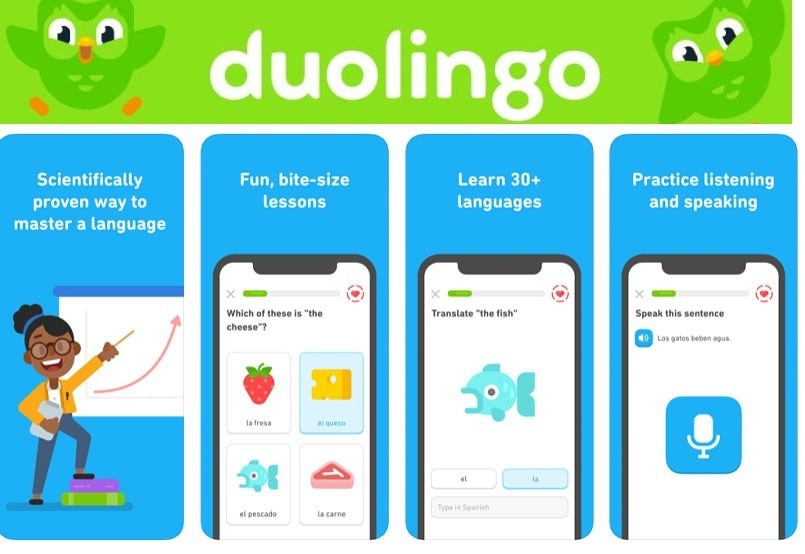
– Evolving beyond translation to language education: With these updates, Google Translate is stepping into territory formerly dominated by apps like Duolingo, offering a more immersive and adaptive learning experience.
In-Depth
Google’s Translate app just got a serious upgrade—and it feels both forward-looking and practical in a way that might appeal to folks who appreciate both progress and reliability.
First off, the live translation feature is a game-changer. Powered by Google’s top-tier Gemini AI, the app now lets you converse in two different languages—live—with spoken translations and on-screen captions that handle background noise like a champ. This isn’t just about seeing the text; the app actually speaks what the other party says, preserving clarity and pace. It’s a thoughtful touch for real-world use—think airports, busy cafés, or family gatherings—where clarity matters. The rollout is just starting in the U.S., India, and Mexico, but its potential is global, unplugged, and ready.
Then there’s the language practice mode—essentially turning Translate into a tutor. Instead of a one-size-fits-all course, you pick your target language and current level (basic through advanced), and the app tailors listening and speaking drills to your personal goals—whether you’re planning a vacation or prepping for work. It’s adaptive, interactive, and logs your progress so you can see where you’re at. For now, it’s focused on English ↔ Spanish and English ↔ French, but more pairings are likely coming.
Together, these features propel Google Translate past conventional translation tools and into the realm of immersive language support—both for immediate, real-world conversation and long-term language growth. If you’re someone who values no-nonsense, efficient tools that just work—and maybe even quietly nudge you forward—this update is well worth exploring.