

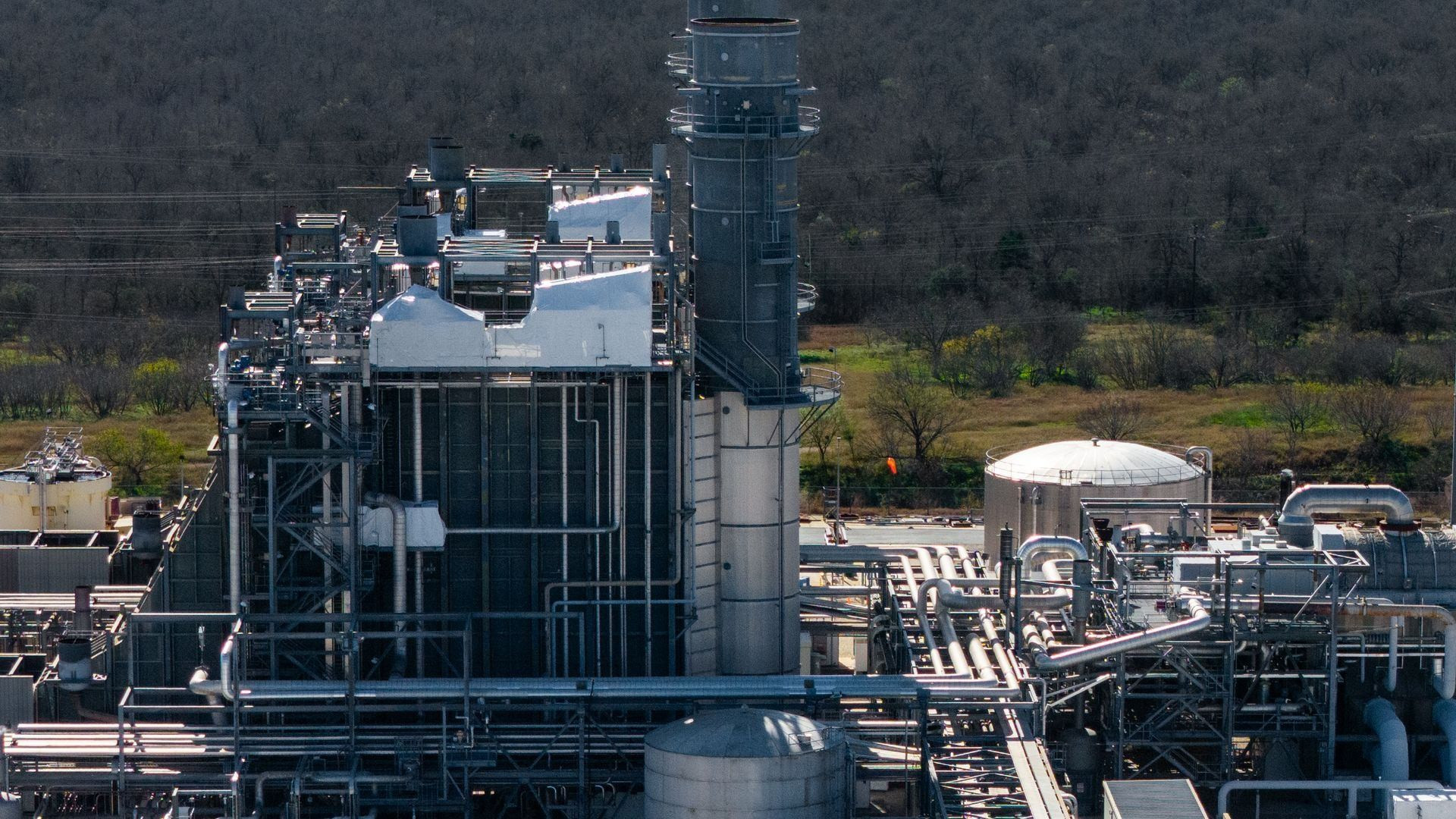
Meta‘s planned $10 billion AI data center in Richland Parish, Louisiana, has cleared a major hurdle: the Louisiana Public Service Commission (PSC) greenlit Entergy’s proposal to build three natural gas-fired power plants to supply around 2.25–2.3 gigawatts of electricity to the facility, enough to power twice the city of New Orleans, despite vocal resistance from consumer advocates and environmental groups who warn of potential long-term costs to ratepayers, a rushed approval process, and environmental impacts. Supporters contend the project will bring substantial economic investment and hundreds of jobs to a region struggling with poverty, while critics emphasize that Meta’s 15-year power contract covers only part of the plants’ lifespan, possibly leaving taxpayers to shoulder costs later.
Sources: Reuters, AInvest.com, Tech Crunch
Key Takeaways
– Vast Energy Demand: The three proposed gas plants will generate approximately 2.25–2.3 GW to meet the immense energy needs of Meta’s AI data center, which could consume up to 5 GW annually,
– Economic Opportunity vs. Ratepayer Risk: Proponents highlight potential benefits—6,500-plus construction jobs and 500 permanent positions in a historically under‑invested region—while opponents warn ratepayers may bear costs once Meta’s 15-year agreement expires, given the typical 30-year lifespan of gas plants.
– Escalating Clean‑Energy vs. Fossil‑Fuel Tensions: The approval underscores the growing friction between AI‑driven energy demand and climate goals, with critics decrying a shift back toward fossil fuel dependency, though Meta is pushing for supplemental solar and even nuclear options.
In-Depth
This decision strikes at the crossroads of economic ambition and cautious stewardship. On one hand, Louisiana regulators fast-tracked approval for Entergy’s plan to build three natural gas plants powering Meta’s mammoth $10 billion AI data center—an initiative expected to inject fresh capital into a long-neglected region, with thousands of construction jobs and hundreds of permanent positions on offer. Supporters—including Commissioner Foster Campbell—emphasize that the project may well be a lifeline for northeast Louisiana.
However, skepticism runs deep. Critics, including consumer advocates and environmentalists, argue the process felt hasty and opaque, with public hearings truncated and critical documentation sealed. They caution that while Meta’s 15-year power purchase agreement may cover near-term costs, the typical 30-year operational life of such plants poses a financial risk: if Meta pulls out or declines to renew, those costs could trickle down to everyday ratepayers.
Moreover, this move signals a broader tension between skyrocketing energy demands from AI infrastructure and clean-energy commitments. Meta’s broader portfolio, which includes solar partnerships and exploration of nuclear options, suggests an awareness of sustainability concerns—but deploying new gas capacity now underscores a sobering reality: renewables and storage may not yet scale fast enough to keep pace with the data center boom.
In short, this is a classic crossroads: balancing bold economic investments against long-term fiscal and environmental caution. It’s pragmatic to meet today’s energy needs—but watchful oversight is prudent to protect tomorrow’s taxpayers and ecosystems.