

Nanotechnology and AI are teaming up to revolutionize lithium extraction in a way that’s both smarter and cleaner. Nanotech-based selective membranes are dramatically improving efficiency, slashing water usage, and reducing the environmental impact compared to traditional mining. Meanwhile, AI is accelerating the discovery of materials capable of cutting lithium requirements by up to 50%, potentially lowering battery costs and easing resource pressures amid soaring demand. Research published in RSC Advances illustrates how AI-driven nanomaterials—specifically crown ether–infused 2D honeycomb structures like graphene, silicene, and hexagonal boron nitride—can enhance lithium ion adsorption. Techniques such as Emotional Neural Networks (ENN) and Random Forest models fine-tune performance, driving recovery efficiency and reducing energy consumption. Complementing that, a recent Reset.org report highlights a pioneering electrochemical direct lithium extraction method from brines. Developed by Yi Cui and colleagues, this electrodialysis-based approach delivers 100% lithium selectivity while using just a tenth of the energy—and costs less than half—of current methods, heralding a more sustainable and affordable future for lithium production.
Key Takeaways
– Efficiency & Eco-Impact: Nanotech-driven membranes significantly cut water usage and environmental damage compared to standard lithium mining.
– AI-Boosted Innovation: AI tools like ENN and Random Forest models enable accurate material selection and adsorption optimization, advancing sustainable extraction.
– Game-Changer Process: Electrodialysis techniques offer dramatically lower energy use and cost, while achieving perfect lithium selectivity from brine.
In-Depth
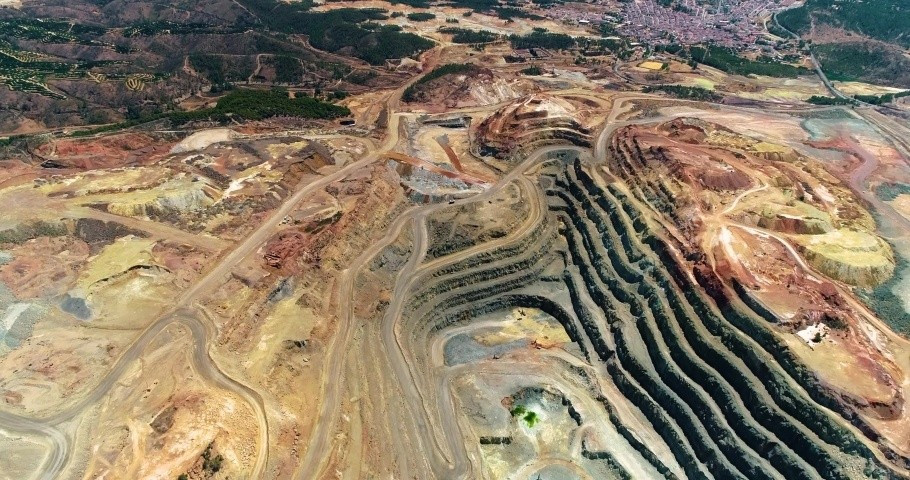
First off, lithium is the superstar of the green-energy boom. We need it for everything from EVs to power grids, and demand is skyrocketing. That means the traditional ways of getting lithium—like evaporating brines in massive ponds or digging out spodumene rock—are becoming real headaches. They guzzle water, mess with ecosystems, and cost a fortune in both green and greenbacks. Cue nanotech—and AI—to step in and offer a smarter, leaner, more future-friendly alternative.
Nanotechnology is pulling off feats that would have sounded sci-fi a few years back. Imagine membranes tuned at the atomic scale to selectively let lithium ions slip through while blocking out impurities. We’re talking ultra-precise filtering that cuts down waste, speeds up extraction, and dramatically reduces water usage. That’s not just cool—it’s game-changing.
Now, AI enters the scene, and it turns this from “cool” to “unstoppable.” Using machine-learning tools like Emotional Neural Networks or Random Forests, scientists can sift through massive arrays of possible nano-materials—graphene, silicene, hexagonal boron nitride, and more—and figure out exactly which ones adsorb lithium the best. Artificial intelligence helps optimize these nanomaterials literally down to the molecular level, squeezing better performance and efficiency with minimal energy input. That’s a win for the planet, and a win for cost savings.
And then there’s the entirely new extraction trick that puts all this tech to work. Researchers, led by Yi Cui’s team, are using electrodialysis—a fancy term for passing an electric field through a lithium-selective membrane—to literally attract lithium ions from brine, achieving perfect (100 percent) selectivity. Best part? It uses a tenth of the energy compared to conventional methods, and cuts extraction costs in half. That’s huge. In practice, this method can make lithium extraction not just cleaner, but significantly more affordable—and scalable, too. Just imagine lithium batteries powering everyday devices and EVs, built with cleaner supply chains and lower carbon footprints. That’s not just innovation. It’s progress.
So yes, nanotech plus AI is doing more than pushing the envelope—it’s rewriting the rulebooks on how we get vital elements like lithium. Cleaner, cheaper, smarter extraction methods are no longer pie-in-the-sky ideas—they’re becoming real, scalable solutions. And with demand for lithium accelerating, this tech couldn’t come at a better time.
In short: smarter membranes, smarter algorithms, smarter extraction. Everyone wins—from battery companies to the planet to the people driving EVs.