

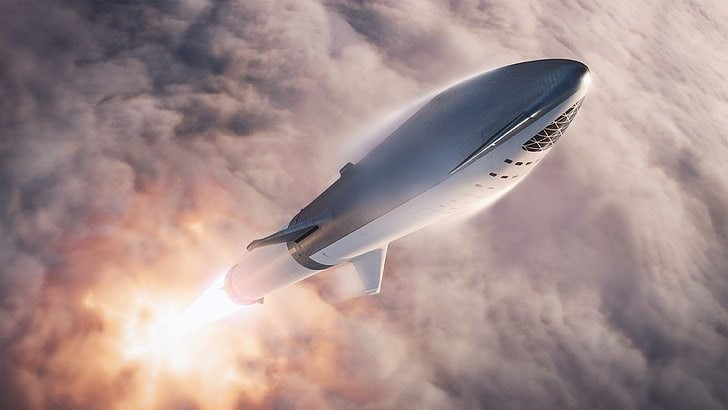
SpaceX‘s tenth Starship test flight, scheduled for August 24, 2025, marks more than just another hardware trial — it will push boundaries by carrying out simulations of eight Starlink satellites, examining engine performance, gathering heat-shield data, and executing a highly intentional ocean-landing burn, all under a livestreamed launch from Texas approved by the FAA.
Sources: Express News, My San Antonio, Reuters
Key Takeaways
– Multi-faceted experimentation over mere repetition: This flight adds payload simulations, engine relight, and heat-shield stress tests—expanding capabilities rather than just hardware validation.
– Regulatory green light underscores progress: The FAA has cleared flight 10 after prior failures, signaling trust in SpaceX’s corrective measures and safety protocols.
– Interplanetary ambitions still intact: Despite setbacks, SpaceX continues to aim for Mars by 2026, with this test serving as a meaningful step toward that larger goal.
In-Depth
SpaceX is gearing up for Starship’s tenth test, and this one’s a bit different. Launching from Starbase, Texas on August 24, it’s not just about hardware—it’s about stretching the envelope.
The flight will deploy eight simulated Starlink satellites, put engines and heat shields to the test, and practice a controlled burn that ends with an ocean splashdown. FAA approval follows a series of malfunctions, including upper-stage disintegration and ground-test explosions, showing regulators believe SpaceX has addressed past issues. While still developmental, this mission lays crucial groundwork for future goals—especially the company’s persistent aim to send an uncrewed Starship to Mars by the end of 2026.
Through all the setbacks, including those high-profile mishaps, SpaceX remains committed to pushing forward, optimistic that lessons learned will translate into faster turnarounds and sustainable reusability. Even amid controversy, these flights continue to be foundational stepping stones toward making interplanetary travel more reliable and routine—anchored in pragmatic experimentation but reaching boldly toward humanity’s next frontier.