

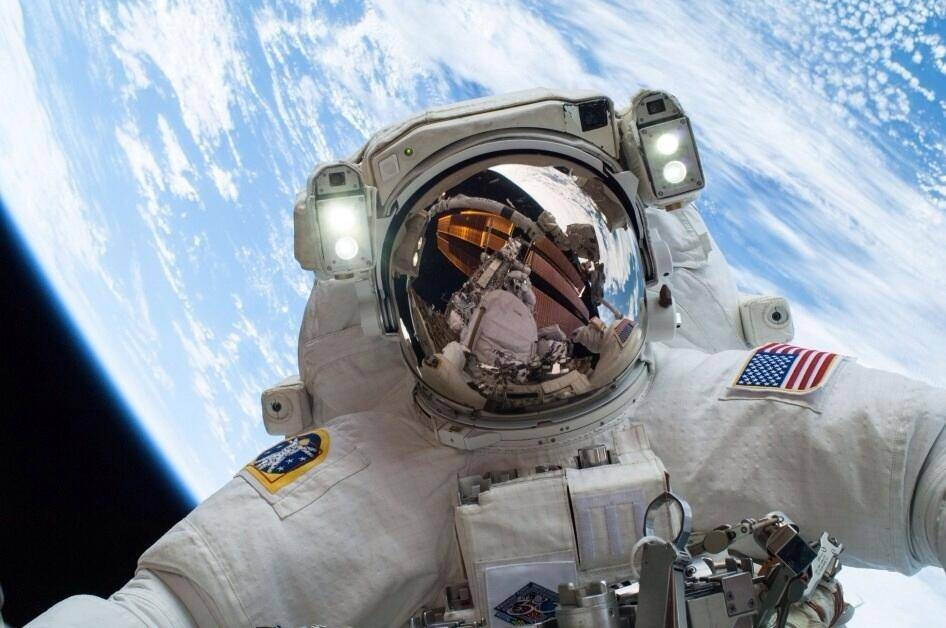
NASA has unveiled its 2025 astronaut candidate class, selecting 10 individuals from over 8,000 applicants, and for the first time including two veterans of SpaceX: Anna Menon, who previously served as a mission specialist on the private Polaris Dawn mission, and Yuri Kubo, a former Falcon 9 launch director. The class also marks a milestone with women outnumbering men (six women, four men), showcasing the agency’s commitment to broader diversity. Candidates bring expertise in science, engineering, medicine, and military aviation, reflecting the demands of future deep space missions. They will undergo about two years of rigorous training in robotics, geology, flight, and simulated spacewalks before qualifying for missions to the International Space Station and potentially the moon or Mars.
Sources: SpaceFlightNow, AP News
Key Takeaways
– NASA’s 2025 astronaut class highlights the integration of commercial spaceflight veterans into government missions.
– Female candidates now outnumber men, marking a historic shift in astronaut selection.
– The diverse skillsets prepare this group not only for ISS operations but for future lunar and Mars exploration.
In-Depth
NASA’s announcement of its 2025 astronaut candidate class illustrates a turning point in America’s approach to space exploration. Ten individuals were chosen from a pool of more than 8,000, underscoring the competitiveness of the process. Yet what stands out most is the inclusion of Anna Menon and Yuri Kubo, both with significant SpaceX pedigrees. Menon worked at NASA before joining SpaceX, where she served in mission operations and later became part of the historic Polaris Dawn mission. Kubo, with over a decade at SpaceX, managed Falcon 9 launches and directed ground systems. Their addition to NASA’s roster represents the growing reliance on private-sector expertise in advancing human spaceflight.
Equally significant is the gender balance within the group: six women and four men, the first time women have outnumbered men in a NASA astronaut selection. This shift reflects both a deliberate emphasis on inclusion and the breadth of qualified female applicants in today’s aerospace sector. The candidates’ collective backgrounds include geology, biomedical engineering, flight medicine, and military aviation, all critical skills for missions beyond Earth orbit.
Over the next two years, these men and women will undertake extensive training. They’ll master spacecraft systems, robotics, space medicine, languages, and survival skills, while preparing for simulated spacewalks and extended stays in confined conditions. Only after completing this demanding regimen will they become eligible for assignments to the ISS, commercial stations, and eventually lunar expeditions under Artemis.
The selection underscores NASA’s forward-looking strategy: as the ISS nears retirement, commercial stations and lunar bases loom on the horizon. These astronauts are positioned at the intersection of legacy NASA expertise and the burgeoning private space industry, making them uniquely qualified to carry America’s exploration efforts into the next era.