

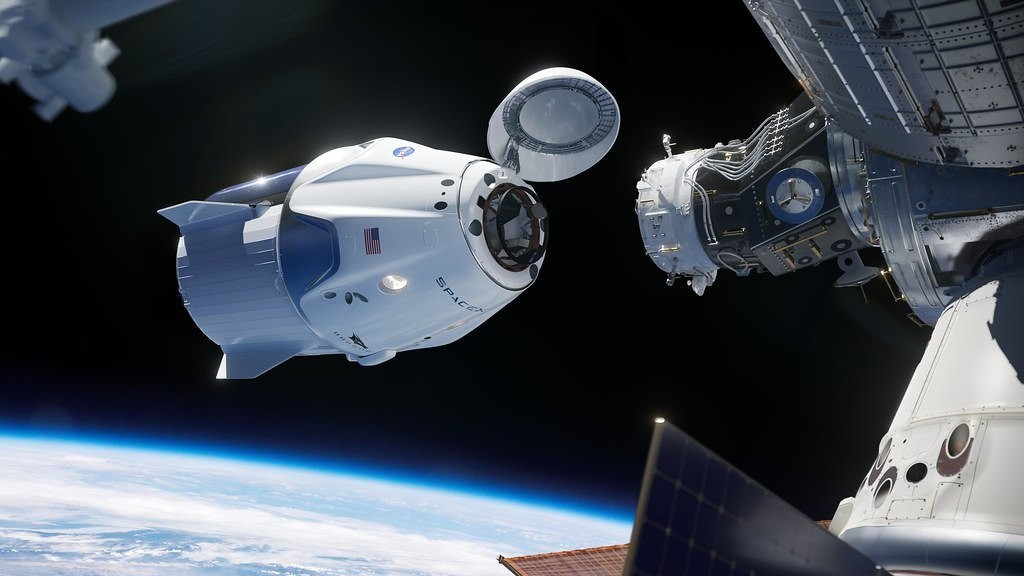
SpaceX is planning to fly an orbital Starship vehicle with upgraded systems in 2026, marking a major step in moving beyond suborbital tests. The new generation of Starship will include improved thermal protection (heat shields/tile sealing), enhancements in avionics, and likely an in-orbit refueling demonstration. These changes respond to lessons from recent flights—some failures in descent, reentry, and attitude control—and regulatory as well as environmental concerns.
Sources: AITopics.org, ARS Technica, Space
Key Takeaways
– SpaceX’s next-gen Starship aims to address previous shortcomings (heat shield performance, sealing of tiles, attitude control during reentry) in its push to reach orbital flight by 2026.
– In-orbit refueling, a capability seen as essential for missions beyond Earth orbit (e.g. to the Moon or Mars), is now expected to be demonstrated in or around 2026.
– Regulatory, environmental, and infrastructure issues (e.g. launch pad integrity, FAA safety approvals, environmental reviews) remain important constraints that SpaceX must navigate as it scales up and improves the design.
In-Depth
SpaceX’s Starship program has entered its next critical phase. After multiple suborbital tests, failures, and incremental improvements, the company is now targeting 2026 for its first orbital flight of a next-generation Starship.
This vehicle won’t just be another prototype—it will incorporate meaningful upgrades designed to fix persistent problems: heat shield tile sealing, attitude control during reentry, and avionics robustness. Those areas stood out in recent flight analyses where the spacecraft underperformed or failed under stress, particularly as it reentered Earth’s atmosphere. The upgraded thermal protection system is especially crucial because reentry heating has consistently been a weak link. Without well-sealed tiles and reliable heat-shielding, the risk of structural damage or loss of control increases dramatically at high speeds.
Another centerpiece of the 2026 plan is in-orbit refueling. SpaceX has long stated that whether for lunar missions under NASA’s Artemis plans or for eventual Mars ambitions, being able to refuel Starship in Earth orbit is nonnegotiable. The 2026 schedule is meant to include a demonstration of that capability. If successful, that opens up new mission profiles: longer stays, higher orbits, greater payloads, and eventually crewed deep-space operations.
Still, the path isn’t free of obstacles. Regulatory approvals, like those from the FAA, are still required, particularly given the environmental and safety implications of repeat launches, large hazard zones from possible failures, and launch pad stresses. Upgrading infrastructure such as heat shields and ensuring pad durability are parts of that picture. Also, environmental impact assessments—especially in Texas where Starbase operates—remain on the table and, in some cases, required by law before certain changes or frequency of launches can proceed.
In sum, the next generation Starship in 2026 represents a pivotal moment. If SpaceX pulls off the engineering fixes, passes regulatory hurdles, and succeeds with orbital refueling, it moves Starship much closer to its stated roles in Artemis lunar missions and beyond. But each of those domains—heat shielding, refueling, infrastructure, safety—needs to perform. The goal is ambitious, yet it feels much more grounded than earlier flights: known gaps are being closed, and the timeline, while tight, isn’t wildly speculative. Whether everything comes together in time is still the big question.