

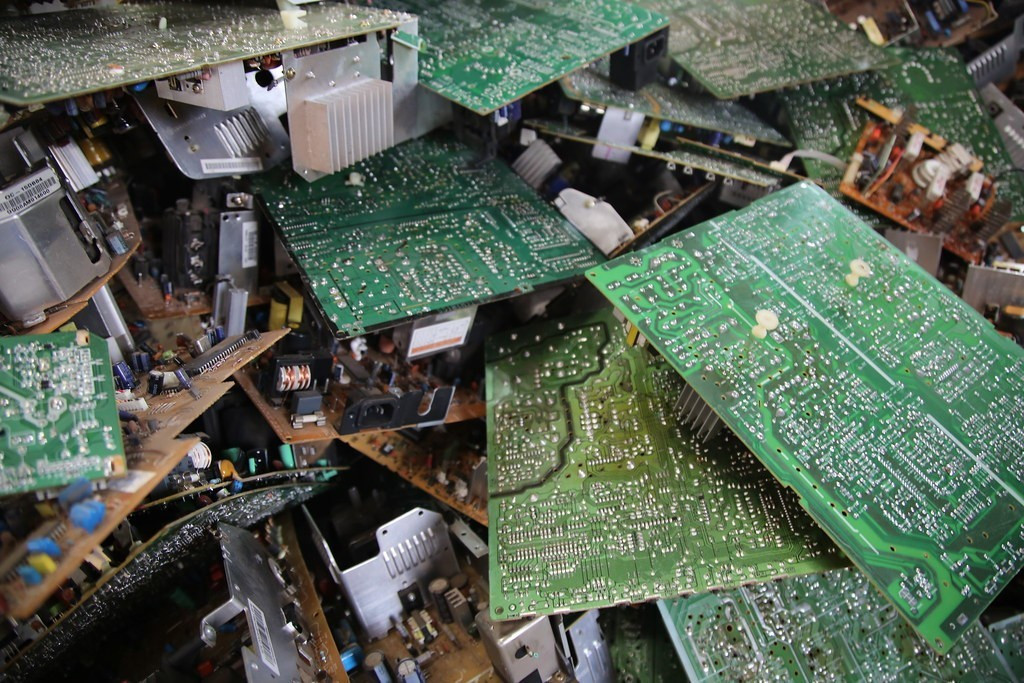
A growing body of research and reporting highlights that the rapid expansion of generative artificial intelligence and the infrastructure supporting it is contributing to an acceleration of the global electronic waste (e-waste) problem. Tech companies frequently upgrade specialized computing hardware such as GPUs and servers needed for AI workloads, shortening device lifespans and creating volumes of obsolete electronics that are hard to recycle; experts warn this trend could add millions of metric tons of e-waste by 2030 amid a broader rise in global e-waste production, with existing recycling systems struggling to keep pace. While the full environmental impact is complex and includes energy and material considerations, the intersection of AI’s rapid hardware cycle and the world’s existing e-waste challenges is prompting calls for better policy, recycling infrastructure, and private-sector innovation to manage the downstream consequences of modern computing growth.
Sources: Epoch Times, Scientific American
Key Takeaways
– Generative AI’s heavy reliance on specialized hardware like GPUs, paired with frequent upgrades, leads to accelerated disposal of electronic devices and contributes to the global e-waste stream.
– Independent studies project that AI-related infrastructure growth could add millions of metric tons of e-waste by 2030, intensifying existing waste management challenges.
– The issue exists within a broader systemic gap: only a fraction of global e-waste is properly recycled, underscoring the need for stronger recycling systems and clearer public policy.
In-Depth
When most people think about artificial intelligence, they picture algorithms, automation, and futuristic applications. What often gets less attention outside tech and environmental circles is the physical infrastructure that makes large-scale AI possible — and the material consequences that follow. Generative AI models and high-performance computing workloads require specialized hardware such as graphics processing units (GPUs), tensor processors, and dense server racks. These components are engineered for performance and speed, not longevity, and the commercial drive for the latest, fastest systems means that perfectly serviceable devices are retired early in favor of upgrades. That pattern — driven by competitive markets, rapid innovation cycles, and Moore’s Law-style expectations — has a tangible downside: a buildup of obsolete electronics that ends up in the global e-waste stream.
The Epoch Times recently reported that as AI systems roll out across industries, the infrastructure needed to power them is piling up behind the scenes in the form of discarded hardware. While that report focuses on the headline issue of AI’s contribution to e-waste, it reflects a broader global trend: electronic waste is one of the fastest-growing waste streams on the planet. According to scientific analysis, the growth of AI could add anywhere from 1.2 million to five million additional metric tons of hazardous e-waste by 2030, depending on how quickly hardware cycles turn over and how much of that waste is actually captured for recycling.
This isn’t just an environmental talking point — it’s a practical challenge. Most of the world’s e-waste is either landfilled, shipped to informal recycling operations with minimal health protections, or processed in underfunded facilities that recover only a subset of valuable materials. The specialized nature of AI hardware complicates recycling further: GPUs and other high-end components contain rare earth metals and complex assemblies that are expensive to disassemble and repurpose. Without better systems in place — from producer responsibility programs to market incentives for refurbishment and reuse — the economic forces driving rapid hardware turnover will continue to outpace the capacity of recycling markets.
From a practical standpoint, addressing this issue means more than environmental rhetoric. There is room for policy to catch up to technology. Responsible recycling infrastructure, tax incentives for refurbishing older equipment, and clearer regulations around the disposal of high-performance computing gear can help mitigate the e-waste surge without stifling innovation. Private-sector leadership matters too: companies with large AI deployments can build take-back programs, design for modular upgrades, and invest in recycling partnerships to reduce their material footprint.
In sum, the story of AI and e-waste is a reminder that digital innovation has very real physical effects. Recognizing those effects, and building pragmatic frameworks to manage them, will keep both industry and society moving forward without ignoring the environmental and economic costs of unchecked hardware obsolescence.