

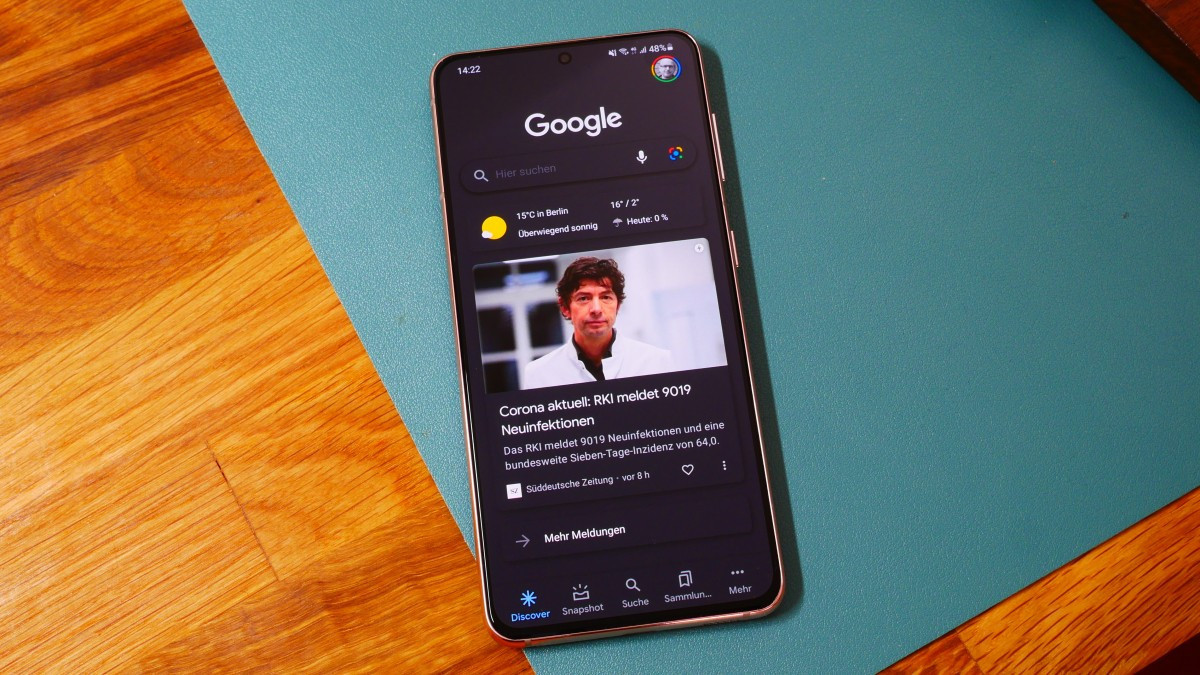
Google is now experimenting with replacing original news headlines in its Discover feed with AI-generated titles — and the results are drawing sharp criticism. Multiple outlets report that the machine-written headlines tend to be misleading, overly clickbait-y, or stripped of essential context. According to Google, this change is currently a limited user test aimed at making feeds easier to scan.
Sources: Android Authority, Tom’s Guide
Key Takeaways
– The AI-generated headlines frequently misrepresent the underlying articles, sometimes replacing nuanced titles with overly simplistic or misleading ones.
– Google claims the new headlines are part of a small-scale UI test aimed at improving scan-ability, not a major rollout — but some users are seeing them without clear disclosure that they’re AI-written.
– The shift raises concerns among publishers and readers alike about the erosion of editorial integrity and the potential damage to trust in original reporting.
In-Depth
If you’ve opened up your Google Discover feed lately and felt like the headlines didn’t quite match the articles — you’re not imagining it. The tech giant is running a test that swaps out human-written headlines with AI-generated alternatives, and the early feedback isn’t flattering. Across several trusted tech publications, writers highlight a pattern: AI titles that are either misleading, overly clickbait-driven, or so stripped down they lack any real context.
One egregious example comes from a story originally titled “‘Child labor is unbeatable’: Baldur’s Gate 3 players discover how to build an army of unkillable kids …” which was truncated — by AI — to the provocative “BG3 players exploit children.” Another fairly benign tech-advice article about wireless chargers got boiled down to “Qi2 slows down older Pixels,” casting an entirely different framing on the content. And in some cases, the AI headline flat-out misstates the article’s premise: a piece about a gaming system’s design and potential market positioning became “Steam Machine price revealed,” even though the article never revealed a price.
From a user-experience standpoint, Google claims the move is intended as a “small UI experiment,” one designed to make the Discover feed more scannable and digestible. The intention, presumably, is to help readers decide quickly whether to open a full article. But that design choice carries a hidden cost. Headlines aren’t just attention-grabbers — they frame how readers interpret entire stories. When editorially crafted context is replaced by algorithmic bluntness, nuance gets lost, and the risk of misinterpretation increases.
That trade-off is what’s fueling backlash. For publishers, it’s a worrying slide toward the diminishing value of original writing. For readers, it’s a moment of clarity: we may be scrolling less, but we’re also absorbing less accurate and more sensationalist versions of the news. If this rollout expands beyond a test, the shift could fundamentally change how we consume — and trust — online journalism.