

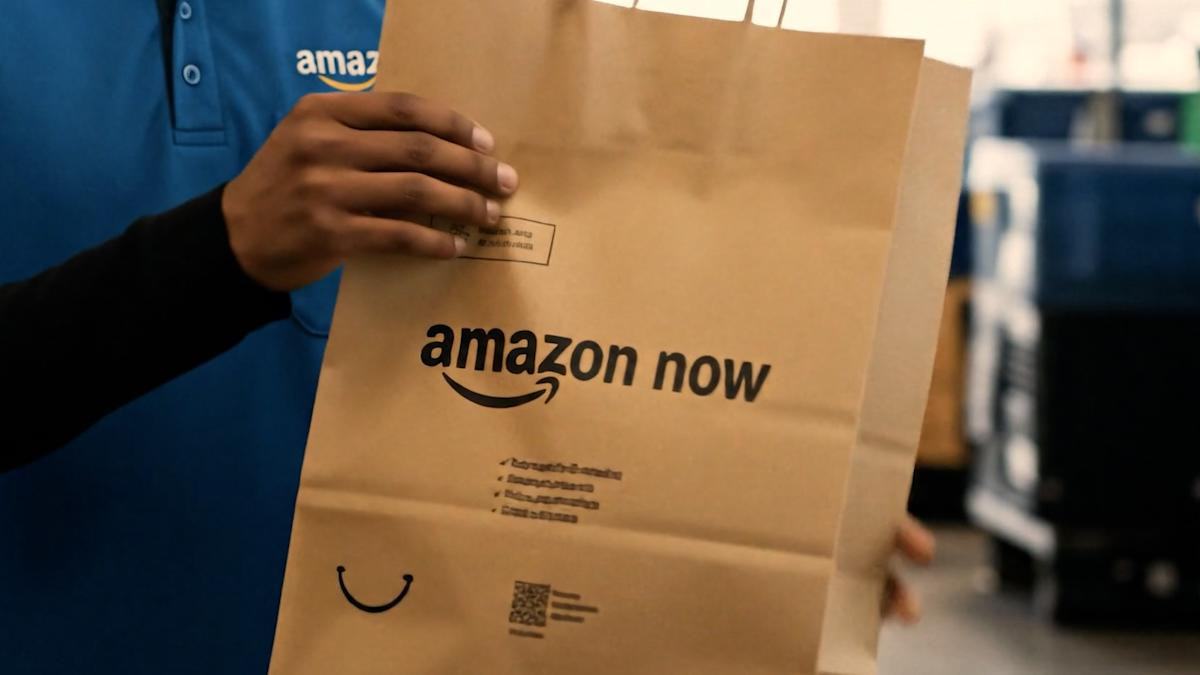
Amazon has quietly launched a new initiative, “Amazon Now,” offering 30-minute delivery of household essentials and groceries in select neighborhoods of Seattle and Philadelphia. The service uses small, strategically located fulfillment centers so orders — from items like milk, eggs, diapers, over-the-counter medicines and snacks — can reach customers’ doorsteps rapidly. Prime members pay a reduced fee of $3.99 per delivery (versus $13.99 for non-members), with a $1.99 surcharge for orders under $15. For now, the test is limited to the two cities, with Amazon evaluating performance and demand before any national rollout.
Sources: Supply Chain Dive, Reuters
Key Takeaways
– Amazon is betting that convenience — particularly ultra-fast delivery of everyday items — will attract consumers away from quick-commerce rivals like Instacart, DoorDash, and grocery chains.
– The use of micro-fulfillment centers situated near dense urban populations is central to the strategy, minimizing travel time for delivery drivers and enabling the 30-minute target.
– For now, the service carries extra fees, especially for non-Prime customers or small orders, which may limit appeal unless expanded or re-priced.
In-Depth
With the rollout of “Amazon Now,” Amazon is taking a bold step toward redefining expectations for how fast home delivery can be. The new pilot program in Seattle and Philadelphia targets customers who need everyday essentials — groceries, toiletries, pet supplies, and even snacks or OTC medicine — with impressive speed. By offering delivery within 30 minutes, Amazon is aiming to compete head-on with established quick-commerce players like DoorDash, Uber Eats, and Instacart, turning an online shopping list into what feels like a convenience-store dash.
The underlying infrastructure is what makes this possible: instead of relying on giant distribution centers located far from customers, Amazon is deploying specialized micro-fulfillment centers embedded inside — or near — urban neighborhoods. That proximity allows order-picking, packing, and handoff to drivers to happen quickly; combined with efficient routing and dispatch, Amazon can hit the 30-minute mark reliably. For Prime members, the cost is reasonable — $3.99 per order — but non-members face a steep $13.99 fee. Additionally, smaller orders under $15 incur a $1.99 surcharge. That pricing structure suggests Amazon expects repeat or sufficiently large orders to drive profitability, or at least justify the convenience premium.
It’s worth noting that, while Amazon previously experimented with fast delivery — including its “Prime Now” one-hour option that ended in 2021 — this represents a renewed push with a refined logistical backbone. The company has reportedly invested heavily in expanding its fulfillment infrastructure nationwide and rethinking inventory placement so delivery speed becomes a competitive advantage rather than a marginal benefit. For consumers in Seattle and Philadelphia, this could mean rethinking trips to the store for everyday items. If the pilot succeeds, it may only be a matter of time before ultra-fast delivery becomes the norm in other metropolitan areas.
On the business side, the bet is bold. The added fees may deter budget-conscious shoppers, and launching broadly would require Amazon to either scale micro-fulfillment centers or accept thinner margins. There’s also the risk that consumers view such speed as frivolous or unnecessary, undermining long-term adoption. But if enough people buy into the convenience — especially during busy weekdays or last-minute needs — Amazon Now could well redefine consumer expectations for e-commerce speed.