

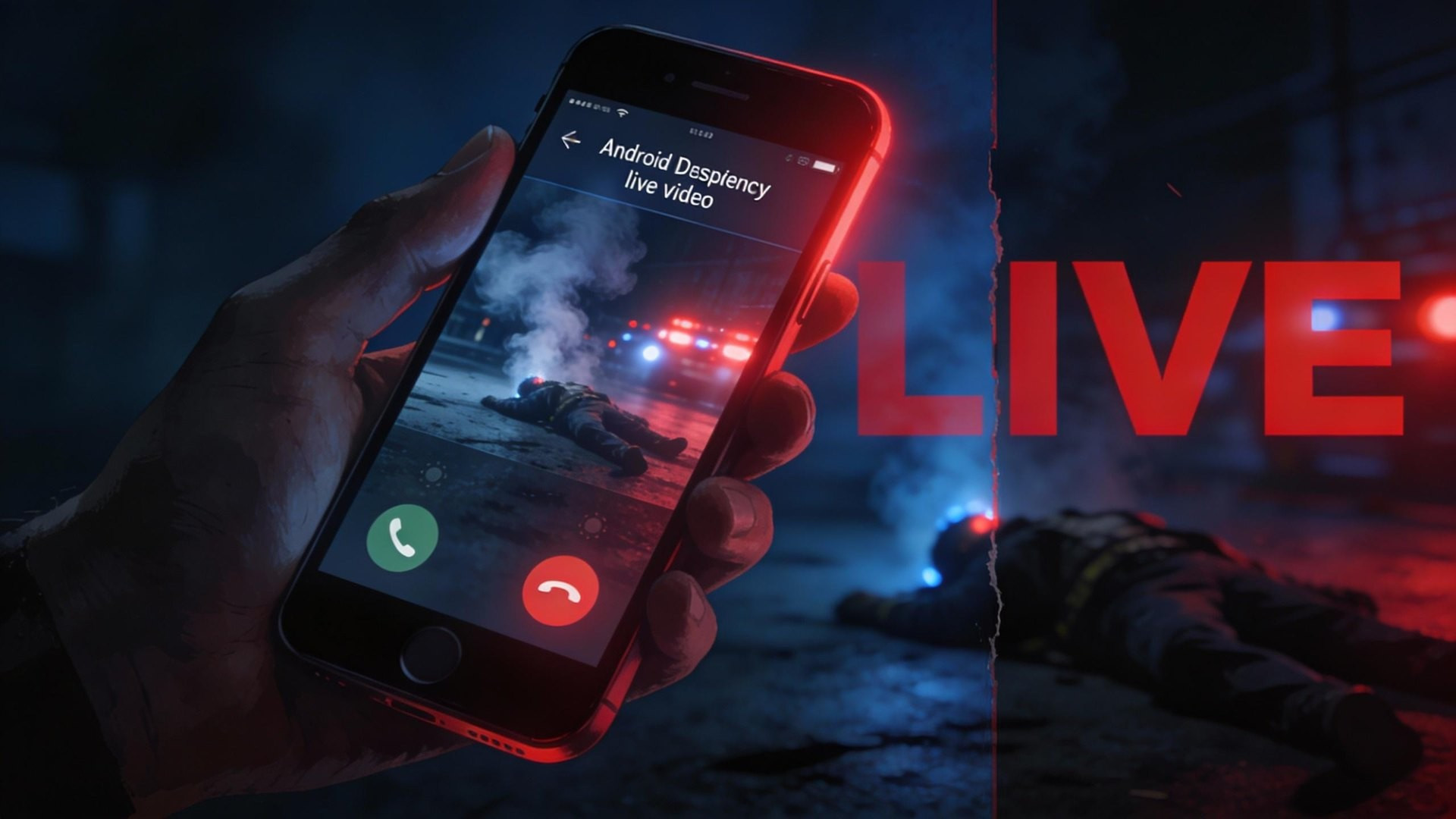
Android phones now include a feature called Emergency Live Video that lets users stream live video from their device to emergency services during a 911 call or text, giving responders immediate visual context to assess accidents, medical crises, fires, or other urgent situations; dispatchers send a request to the caller’s phone, the user taps to share their camera feed, and the encrypted stream can be stopped at any time, making it optional and controlled by the user.
Sources: TechCrunch, Google
Key Takeaways
– Android’s Emergency Live Video lets 911 dispatchers request and receive optional, encrypted live video from a caller’s device to improve situational awareness during emergencies.
– The feature is available on Android 8 and newer devices in the U.S., parts of Germany, and Mexico, integrating with emergency response networks like RapidSOS and select PSAP systems.
– Users remain in full control of sharing video, with clear prompts and the ability to stop streaming at any time, emphasizing both safety and privacy.
In-Depth
The rollout of Emergency Live Video on Android marks a notable shift in how mobile technology interfaces with emergency response infrastructure. In practical terms, this feature lets someone in distress do more than just describe what’s happening over a voice call to 911 — it lets them show it. A dispatcher, recognizing that visual information could clarify the nature or severity of an incident, can send a secure request to the caller’s Android phone. With a single tap, the caller’s camera begins streaming live video to the emergency center, giving first responders “eyes on the scene” before even rolling out. This isn’t a covert or always-on video feed: the user must consciously accept the request, and every stream is encrypted and optional. If at any moment the caller chooses to stop sharing, they can do so instantly, preserving agency over their device.
From a conservative standpoint, this innovation is a practical expansion of personal safety tools that empowers individuals without creating new mandates or invasive surveillance. It leverages private enterprise technology — in this case Google‘s Android platform — to strengthen public safety outcomes in a way that respects user choice. Emergency responders often work with incomplete information; voice descriptions can be muddled by stress, noise, or injury. By adding visual context, dispatchers can make faster, more informed decisions, potentially directing the appropriate resources more efficiently and reducing the margin for miscommunication.
The rollout is currently focused on the United States, along with select regions in Germany and Mexico, and requires devices running Android 8 or later with Google Play services. Integration with emergency systems like RapidSOS and Motorola Solutions’ command center software means this isn’t just a feature for the tech-savvy; it’s being woven into existing public safety infrastructure used by tens of thousands of public safety answering points. This collaborative approach between private tech companies and public emergency services illustrates a modern model for enhancing core safety functions without burdening taxpayers with new hardware or complex setup processes.
Privacy advocates have understandably raised questions about any system that transmits video from a user’s device to a third party. But there are clear safeguards: no video is shared without explicit consent, users see a prompt before streaming begins, the feed is encrypted, and it can be stopped immediately. That practical balance — between giving first responders better tools to save lives and protecting individual autonomy — is a conservative principle in action: empowering individuals, maintaining personal control, and enhancing public safety without unnecessary intrusion.
In many emergencies, seconds count. A dispatcher who can see a house fire, a wrecked vehicle, or a medical emergency unfold in real time may be better positioned to guide a caller through immediate life-saving steps like CPR while help is on the way. That kind of capability transforms the smartphone from a two-way radio into a dynamic safety tool — one that helps bridge the gap between what’s happening and what responders know. In a society that values both innovation and personal liberty, Emergency Live Video is a step toward smarter, more responsive emergency care, rooted in choice and grounded in practical benefit.