

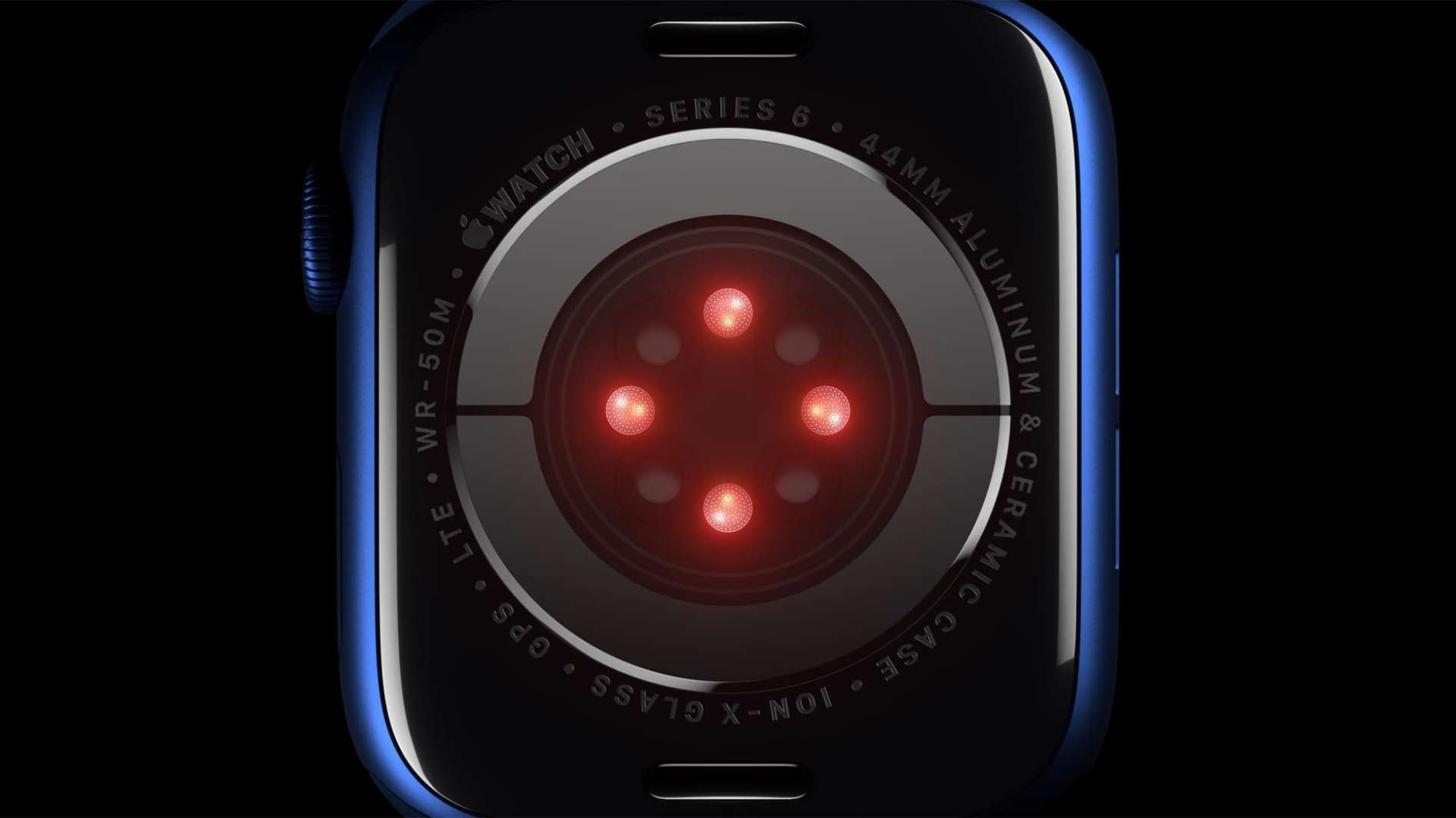
A federal jury in California has ruled that Apple Inc. must pay Masimo Corporation $634 million for infringing on a patent (Patent No. 10,433,776) related to pulse-oximetry and blood-oxygen monitoring technology used in Apple Watch devices. The jury found that Apple’s “workout mode” and high heart-rate notification features in its watches between 2020 and 2022 violated Masimo’s intellectual property. Apple plans to appeal, arguing the patent expired in 2022 and that most of Masimo’s asserted patents have been invalidated in other proceedings. The ruling comes amid a broader litigation framework—including an import-ban issued by the United States International Trade Commission (ITC) in 2023 and Masimo’s separate lawsuit against U.S. Customs and Border Protection. For Masimo, a medical-device firm long focused on hospital-grade monitoring equipment, this verdict represents a major win in defending its technology rights; for Apple, the decision signals increased exposure to IP risk as it markets consumer wearables closely aligned with clinical-grade functions.
Sources: TechCrunch, Reuters
Key Takeaways
– The verdict reinforces Masimo’s argument that Apple’s Apple Watch functions qualify as “patient monitor” devices under its patent No. 10,433,776 and that the infringement spanned tens of millions of devices.
– Apple’s strategy of treating the feature as a consumer wellness tool rather than a clinical device did not convince the jury—raising fresh concerns for tech firms converging with health/medical features.
– The litigation landscape remains active: Apple’s appeal is underway, and Masimo retains parallel legal fronts (including ITC proceedings and a suit against Customs); the $634 million award may have ripple effects beyond this single case.
In-Depth
In a significant ruling with implications for both technology and health-monitoring hardware, the jury verdict in the patent dispute between Apple Inc. and Masimo Corporation confirms that consumer wearables with advanced health features are no longer operating in a legal vacuum. Masimo, a firm whose pulse-oximetry and patient-monitor technologies have been used primarily in clinical settings, accused Apple of using its patented method for non-invasive blood-oxygen detection—essentially the red-and-infrared light measurement system—without a licence. The jury agreed, affirming that Apple’s Apple Watch devices infringed Masimo’s Patent No. 10,433,776 and awarding Masimo $634 million in damages.
The case turned on a key legal question: can the Apple Watch be considered a “patient monitor” under the terms of Masimo’s patent, or is it merely a consumer product offering health-adjacent features? Masimo argued that Apple’s own internal documents described the watch as “the most used heart rate monitor in the world,” and that the high-heart-rate notification feature detected specific physiological events with high sensitivity (95 percent) after user immobility—thus meeting the asserted patent claims. Apple countered that its watch did not provide continuous monitoring in the clinical sense (its alert triggered only after 10 minutes of inactivity) and that its function was fundamentally different from devices built for ongoing patient monitoring in critical-care settings. Ultimately, the jury sided with Masimo, a verdict described as “one of the largest patent awards in the Central District of California involving consumer technology.”
For Apple, the verdict raises the stakes significantly. The company had contended that the patent in question expired in 2022 and that Masimo’s broader portfolio had mostly been invalidated in other forums. Nonetheless, the jury found the infringement case compelling and binding. Importantly, this ruling arrives amid other challenges: in 2023 the ITC found infringement and instituted an import ban on certain Apple Watch models (Series 9 and Ultra 2) in the U.S., compelling Apple to disable blood-oxygen monitoring on affected units. Now, even as Apple issues an appeal, it must contend with potential licensing costs, redesign requirements, and reputational risk tied to its positioning of the Apple Watch as a health-monitoring device.
For Masimo, the case represents a vindication of its intellectual property posture and long-standing claims that its technologies were misappropriated or copied. The verdict strengthens Masimo’s hand in its other ongoing proceedings—including a lawsuit against U.S. Customs and Border Protection over reinterpretation of ITC exclusion orders—and may influence licensing negotiations with major consumer tech players. More broadly, the case signals to the tech-hardware ecosystem that firms blending wellness, fitness, and health-monitoring functions may face greater patent exposure than previously assumed.
Looking ahead, the appeal process will determine whether the award stands as is, is reduced, or is overturned. Meanwhile, Apple must consider whether to negotiate licensing terms with Masimo, redesign its monitoring technology, or restructure how health-sensing features are presented in its watches. For consumers and investors alike, the decision underscores that as wearables increasingly blur the boundary between consumer tech and medical device, regulatory, legal, and intellectual-property risks may rise in tandem with innovation.