

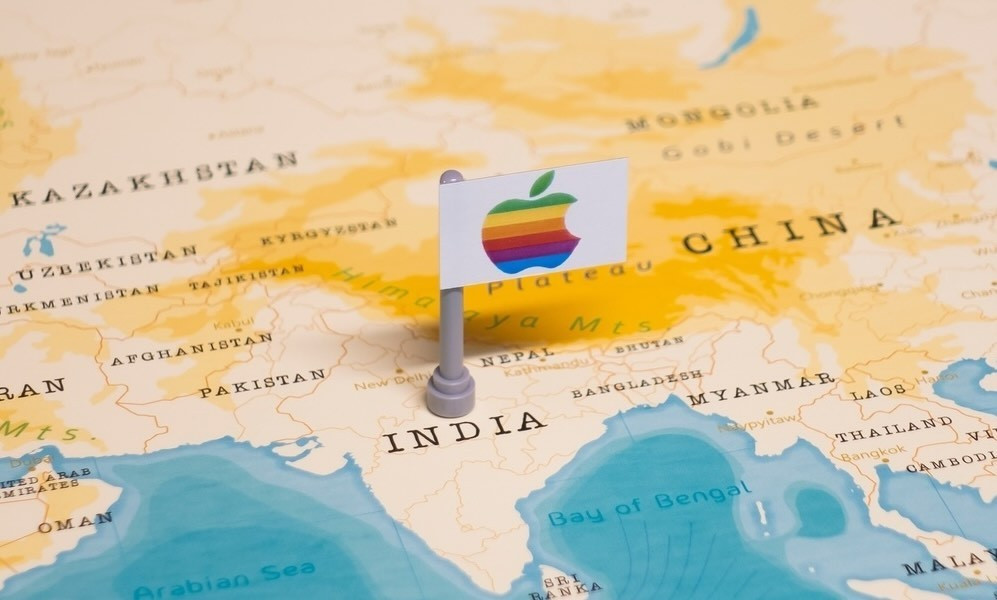
Apple is refusing to comply with a new Indian government order requiring all iPhones — and other smartphones — to ship with a preinstalled state-run app called Sanchar Saathi. The app, promoted as a cybersecurity tool to track stolen phones or block fraudulent SIMs, stirred strong backlash over privacy concerns. Under mounting pressure from tech firms, opposition politicians, and privacy advocates, the government reversed course and revoked the mandatory install directive.
Sources: Reuters, The Guardian
Key Takeaways
– The proposed mandate would have forced phone manufacturers to preload and lock Sanchar Saathi on all new and existing devices, raising concerns that the app could be used for government surveillance rather than just anti-theft.
– Apple signaled outright refusal, saying it does not comply with such mandates anywhere — calling them a threat to iOS ecosystem’s privacy and security standards.
– Faced with broad political, public, and corporate resistance, India’s telecom ministry withdrew the directive within days, making the app’s installation optional once again.
In-Depth
Late November 2025, India’s telecom ministry quietly told major smartphone manufacturers — including Apple, Samsung, and Xiaomi — to preload a government-owned cybersecurity app named Sanchar Saathi on all devices bound for sale: new phones during initial setup, and even existing phones via software updates. The directive reportedly required the app to be “visible, functional, and enabled” by default, with no option for users to disable or remove it. The government framed the mandate as a preventive measure aimed at curbing rampant phone theft, IMEI cloning, and mobile fraud in a market crowded with second-hand devices. The app, they argued, offered citizens a way to block lost or stolen phones, verify SIMs, and report fraud — a public safety measure in a vast and diverse telecom ecosystem.
But from the moment the directive surfaced, it ignited a firestorm of criticism. Privacy activists, digital-rights groups, and lawmakers alike condemned the move as a dangerous overreach — a potential Trojan horse for mass surveillance under the guise of crime prevention. The rallying cry, “Big Brother cannot watch us,” echoed across social media and the halls of Parliament.
For its part, Apple was reportedly unmoved by the government’s pleas. Sources inside the company told reporters that Apple’s policy is strict: it simply does not comply with orders to preinstall or force-enable government applications anywhere in the world, because doing so undermines the privacy and security protections fundamental to its iOS platform. One insider reportedly compared the mandate not to a sledgehammer, but a “double-barrel gun.” Other manufacturers, particularly those reliant on Android’s open-source flexibility, faced tougher decisions — but Apple drew a firm red line.
That stance proved pivotal. Within days, the pressure proved too great. On December 3, the government publicly withdrew its mandate. According to the revised position by the telecom ministry, Sanchar Saathi would remain available to those who choose to download it — but no longer automatically installed. Officials said the reversal was prompted by growing acceptance of the app on its own merits and the expression of broad public concern. Still, they insisted the tool remained a benign safeguard meant to shield citizens from scams and theft.
The reversal marks a rare victory for corporate resistance in the face of governmental tech mandates — especially in a country as large and regulatory-assertive as India. It’s a signal that when major global firms push back, and public privacy concerns resonate, even heavy-handed government orders can be rolled back.
But the episode also reveals deeper tensions at the intersection of state security, citizen privacy, and corporate autonomy. The allure of a one-size-fits-all security solution is undeniable in a market where phones change hands millions of times, often without proper registry or oversight. Yet compelling every device to ship with a potentially powerful, state-linked app sets a troubling precedent — one which Apple was willing to challenge, and which New Delhi was eventually forced to reconsider.
Going forward, this could influence how governments worldwide design — or abandon — similar proposals. The swift climbdown by India suggests that technology firms’ privacy philosophies and user-base expectations still carry weight, even in the face of pressure from powerful states.