

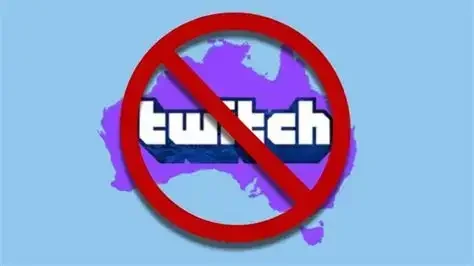
Australia is set to ban individuals under the age of 16 from creating or maintaining accounts on the live-streaming platform Twitch, adding it to a list of social media services covered by the country’s upcoming regulation that takes effect December 10, 2025. The decision was announced by the federal online safety regulator, which determined that Twitch’s core features—live-streaming and interactive engagement—qualify it as a “social media” service subject to the new rules. In doing so, Australia’s list now includes platforms such as Facebook, Instagram, TikTok, Snapchat, YouTube, X, Reddit, Kick and Twitch. The government emphasises the measure is aimed at reducing minors’ exposure to online harms associated with social platforms, and companies that fail to take “reasonable steps” to restrict under-16 access could face fines up to approximately A$50 million.
Sources: The Guardian, TechCrunch
Key Takeaways
– The new law in Australia will force major platforms—including Twitch—to prevent users under the age of 16 from holding accounts, with existing under-16 accounts required to be deactivated.
– Platforms are required to take “reasonable steps” for age-verification and compliance; failure could incur multi-million-dollar fines for companies.
– The government frames the policy as a child-safety measure tied to online mental-health risks and social media engagement, though critics raise concerns about implementation, privacy and potential unintended consequences (such as minors migrating to less-regulated sites).
In-Depth
Australia’s decision to extend its under-16 social-media ban to include the streaming service Twitch marks a bold step in the country’s efforts to regulate young people’s digital lives. The law, formally the Online Safety Amendment (Social Media Minimum Age) Act 2024, formally takes effect on 10 December 2025 and mandates that covered platforms must block anyone under sixteen from opening or continuing to hold accounts. In its latest update, the regulator added Twitch, reasoning that although the service is centered on gaming, its live-streaming and user-interaction features place it within the definition of “social media” under the law. That means from the effective date, Australians under age 16 will be unable to create new Twitch accounts, and existing accounts held by minors will face deactivation.
Proponents of the measure highlight the mounting evidence of social-media stressors on youth mental health—ranging from cyberbullying and excessive screen time to risk-exposure from live chats and unsupervised content. Against that backdrop, the government argues platforms should bear a greater duty to keep children off services that facilitate widespread social interaction without robust oversight. With potential fines of up to A$49.5 million (approx. US $32 million) looming for non-compliance, the legislative thrust is unmistakable: major tech firms must act.
Yet the approach is not without its controversies. Implementation still depends heavily on each company’s development of age-verification systems and “reasonable steps” to enforce them. Critics warn of privacy risks and unintended consequences—such as pushing under-16 users to lesser-known, unregulated platforms. Some in the tech sector have argued the list of covered platforms remains fluid and rushed, with companies and parents alike asking how enforcement will be practical and how privacy will be preserved. Platforms like Twitch now must develop or scale mechanisms to identify user age and may face considerable operational changes.
The broader takeaway is that Australia is embracing a regulatory framework that shifts accountability from users and parents to platforms themselves. For companies like Twitch, the decision signals a larger global trend: regulators are increasingly willing to impose age-based access restrictions, not just bans on specific types of content. For parents and households, the regulation may prompt a deeper conversation about what constitutes “social media” and how young people engage with digital services—especially those that blur the line between gaming and streaming. Whether Australia’s strategy will serve as a model for other nations remains to be seen, but for now the message is clear: under-16s are being officially excluded from a wide swath of interactive online spaces.