

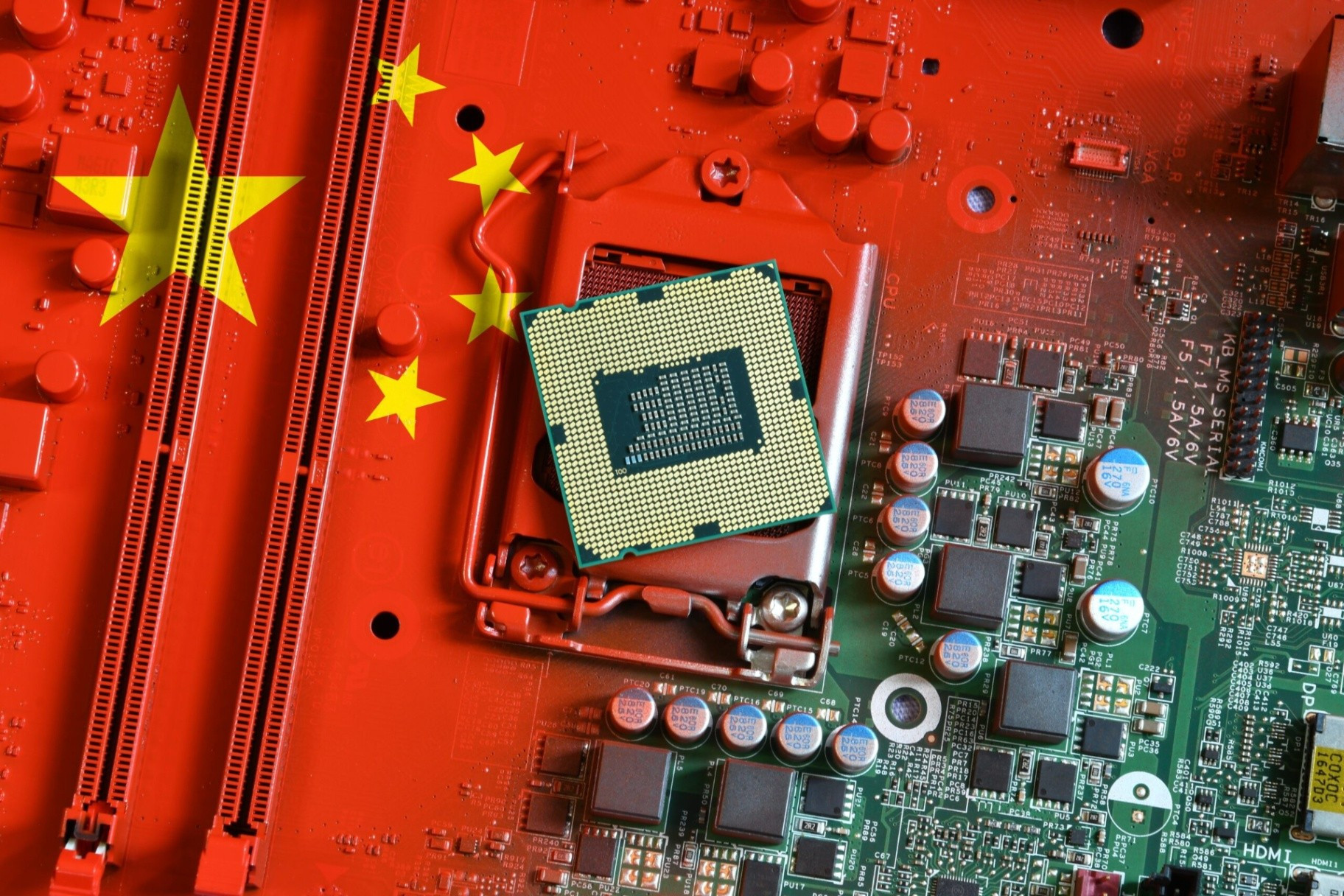
A new policy shift allowing U.S. AI chip exports to China has turned what once was a niche tech debate into a broadly bipartisan national security discussion, with lawmakers across the aisle warning that China’s rapid AI and tech development poses a strategic challenge to American freedom and global leadership; President Trump’s decision to greenlight high-performance Nvidia AI chip sales to approved Chinese entities has sparked alarm among both Republican and Democratic critics concerned about strengthening China’s military and surveillance capabilities even as the administration emphasizes economic benefits and national competitiveness.
Key Takeaways
– Members of both parties are increasingly framing China’s advancements in artificial intelligence as a genuine national security threat that could undercut U.S. technological leadership and freedom.
– The Trump administration’s authorization of advanced AI chip exports to China, especially from Nvidia, has drawn sharp criticism from lawmakers who fear these technologies might bolster China’s military and surveillance capacities.
– The debate reflects tension between economic incentives (jobs, trade, competitiveness) and strategic caution, highlighting broader concerns about how to balance innovation with safeguarding U.S. national interests.
In-Depth
In a moment that feels like a pivot point for U.S. tech policy and national security, China’s rise in artificial intelligence has gone from a talking point to a concrete bipartisan concern in Washington. At the center of this debate is a controversial decision by the Trump administration to allow American companies, most notably Nvidia, to sell high-performance AI chips such as the H200 to approved buyers in China. Supporters of the policy argue it enhances U.S. economic interests, generates jobs, and keeps American firms competitive in the global marketplace. They emphasize that these sales are regulated, vetted by the Commerce Department, and structured so that they don’t include the most cutting-edge chips that could directly fuel adversarial military capabilities.
But even as the administration touts these economic benefits, critics from both sides of the political aisle have sounded serious warnings. Republican lawmakers, traditionally viewed as the tougher faction on China, see this moment as a test of America’s resolve to maintain its technological edge. They contend that selling advanced processing power into the hands of a strategic rival undermines decades of U.S. dominance in computing and intelligence, potentially giving China the tools to accelerate its own military and surveillance technologies. Some argue that this kind of export could also contribute to future military competition in AI-driven domains, where control over data, algorithms, and computing power translates into strategic advantage.
Democratic critics have chimed in with their own set of concerns, albeit framed slightly differently. They focus on the national security implications, framing the decision as potentially strengthening an adversary that already uses advanced technology for repression and geopolitical leverage. They worry that even if the chips are not the very latest models, the cumulative effect of licensed sales combined with China’s own rapid innovation could close the gap sooner than U.S. policymakers are comfortable with.
The bipartisan nature of the backlash is notable. Historically, tech and trade policies often see cross-party alignments break down along economic vs. security lines. In this case, both Republicans and Democrats are expressing unease about how AI and advanced computing exports might affect long-term U.S. strategic interests. This consensus underscores a broader shift in how China is viewed in Washington: not just as an economic competitor, but as a technological threat whose success in AI could reshape global power dynamics.
The debate also highlights the tension between short-term economic gains and long-term security strategy. Proponents of the policy emphasize that maintaining openness and engagement in global markets strengthens America’s leadership, incentivizes investment at home, and ensures U.S. firms remain profitable and influential. Skeptics counter that certain technologies—especially those linked to AI, dual-use applications, and potential military leverage—should be tightly controlled to prevent inadvertently empowering a rival state.
What emerges from this discussion isn’t a simple yes-or-no on chip exports, but a broader reckoning over America’s approach to AI leadership. Lawmakers are increasingly pushing for frameworks that ensure U.S. national security is safeguarded without stifling innovation. How Washington resolves this balancing act could define the trajectory of U.S.–China competition in the coming decades, shaping everything from defense postures to global economic alignments.