

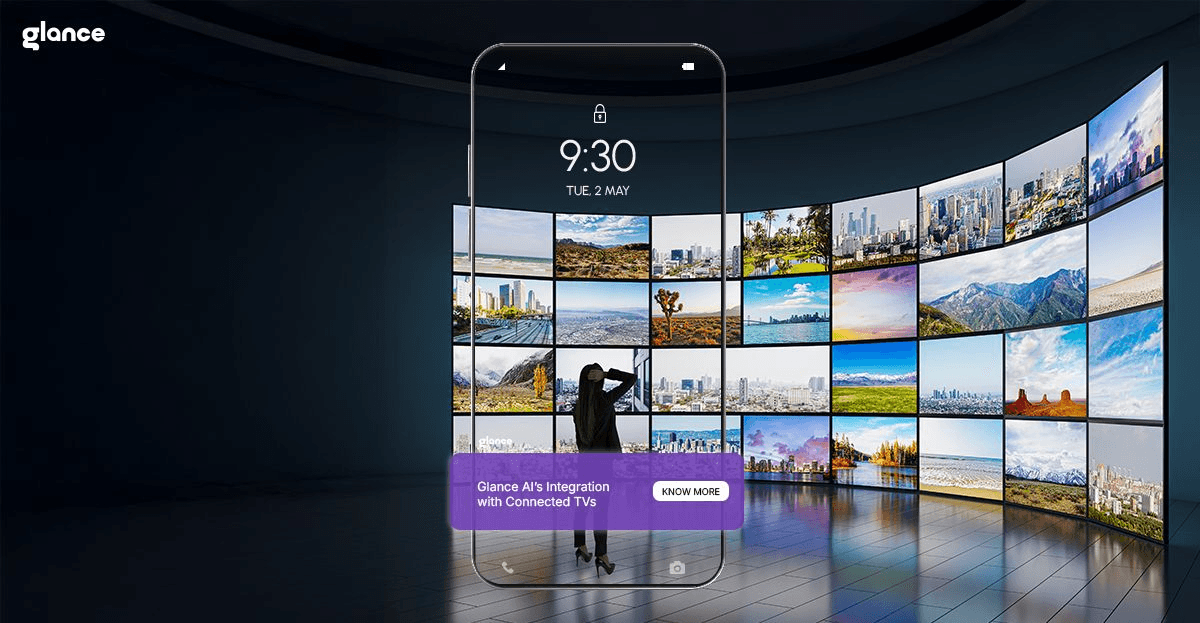
The television provider DirecTV is teaming up with Indian AI company Glance to embed users’ own avatars—alongside family, friends, or pets—into AI-generated screensavers on Gemini devices, enabling a new interactive shopping interface. Users upload photos via the Glance mobile app after scanning an on-screen QR code, and the AI places them into virtual scenes showcasing items such as clothing or furniture. When a user expresses interest in a product, the system uses a reverse image search to present similar real-world items for purchase on their phone. Although specific brands aren’t currently pushed through the platform, the uptake of this technology raises fresh concerns around privacy, data collection, and the blurring of entertainment and commerce in the home.
Sources: The Verge, Android Authority
Key Takeaways
– DirecTV’s new feature turns passive TV idle-state screens into active commercial environments by embedding user avatars in AI-generated scenes that link to shopping triggers.
– While brands aren’t explicitly featured, the technology enables product discovery through reverse image search and phone-based checkout, marking a deeper integration of commerce into entertainment experiences.
– The initiative raises privacy and consent questions, since users must upload personal photos and allow AI-driven personalization in the most private media space—their living room.
In-Depth
In a move that signals how entertainment and commerce are becoming ever more entwined, DirecTV has announced a partnership with Glance to bring what one might call “you-in-the-ad” experiences directly to your TV screensaver. Starting with the company’s Gemini line of devices, when your TV sits idle for roughly ten minutes it will no longer simply show generic wallpapers—it will instead invite you to scan a QR code, upload personal photos (of yourself, family, pets) via the Glance mobile app, and then watch as the AI builds a virtual scene with your avatar dressed in products or surrounded by items that you can tap, scan, or search for on your phone.
The shopping component is subtle but clever: while no brand is specifically pushing a prescribed product, the AI generates items in context (say a jacket your avatar wears, or a sofa in the room), then uses reverse image search through Glance’s database—advertised as holding a trillion SKUs—to find similar items you can buy. In essence, the living room becomes a personalized retail showroom where you, or rather a digital version of you, are the model.
From a right-leaning perspective this reflects a smart monetization of idle screen time and a creative way to drive revenue from devices previously under-leveraged. DirecTV’s pivot toward interactive, commerce-enabled content shows how legacy TV providers are responding to streaming and ad-market pressures by layering in new revenue streams. However, it also opens up real issues: consent and data. Uploading personal images and letting your likeness appear in embedded shopping experiences invites questions about how your data is stored, used, repurposed, or potentially monetized. And the home TV—which many still consider a sanctuary from commercial bombardment—is now being turned into a personalized ad space.
There are also broader social implications. The shift from lean-back entertainment (you watch) to lean-in interaction (the TV watches you back) reflects how media consumption is evolving. For traditional advertisers this is gold: targeted, immersive, relatable content that feels custom. But it may accelerate concerns about manipulation, consumer profiling and the relentless commercialization of everyday life. Privacy advocates point out that once you blur the line between user experience and ad experience, transparency becomes harder: will users always know when they’re being marketed to? And if your digital self is used in these ads, what rights do you have over your likeness?
From a business standpoint, DirecTV is betting that many households will accept and even embrace this kind of integration. They’re banking on additional revenue via shopping conversion, longer engagement times, and a novel value proposition versus purely streaming services. For consumers, the upside is clear: personalized content, maybe fun avatars, ease of shopping in context. The trade-off: more data collection, more blending of content and commerce, and potentially a sense that even your downtime is mined for profit.
Whether this will succeed depends on several factors: user willingness to upload their image and share personal data; regulatory pushback on personalized ads and data usage; and whether the shopping experience is smooth enough to convert. If the technology works as advertised and delivers real value, it might become a standard part of how streaming-TV devices function. But if users balk or regulators intervene, it could become a cautionary tale of advertising gone too far into the home.
In summary, this is a bold, calculated step by DirecTV and Glance to embed commerce deeper into the TV experience. For those who prioritize convenience and newer interactive experiences, it may be a welcome evolution. For those who value separation of their media space from commercial intrusion, it’s a warning sign of how little of our screen time remains ad-free.