

Close Menu

    Subscribe to Updates

    Get the latest creative news from FooBar about art, design and business.

    What's Hot

    FCC Cyber Trust Mark Program Losses Lead Administrator Amid China Security Probe

    January 14, 2026

    Attackers Are Using Phishing Emails That Look Like They Come From Inside Your Company

    January 14, 2026

    Memory Market Mayhem: RAM Prices Skyrocket and Could “10x” by 2026, Analysts Warn

    January 14, 2026
    Facebook X (Twitter) Instagram
    • Tech
    • AI News
    Facebook X (Twitter) Instagram Pinterest VKontakte
    TallwireTallwire
    • Tech

      Replit CEO: AI Outputs Often “Generic Slop”, Urges Better Engineering and “Vibe Coding”

      January 14, 2026

      Memory Market Mayhem: RAM Prices Skyrocket and Could “10x” by 2026, Analysts Warn

      January 14, 2026

      New Test-Time Training Lets Models Keep Learning Without Costs Exploding

      January 14, 2026

      Ralph Wiggum Plugin Emerges as a Trending Autonomous AI Coding Tool in Claude

      January 14, 2026

      Smart Ring Shake-Up: Oura’s Patent Win Shifts U.S. Market Landscape

      January 13, 2026
    • AI News
    TallwireTallwire
    Home»Tech»Grindr Owners Mull Going Private Amid Margin-Call Pressure
    Tech

    Grindr Owners Mull Going Private Amid Margin-Call Pressure

    3 Mins Read
    Facebook Twitter Pinterest LinkedIn Tumblr Email
    Grindr Owners Mull Going Private Amid Margin-Call Pressure
    Grindr Owners Mull Going Private Amid Margin-Call Pressure
    Share
    Facebook Twitter LinkedIn Pinterest Email

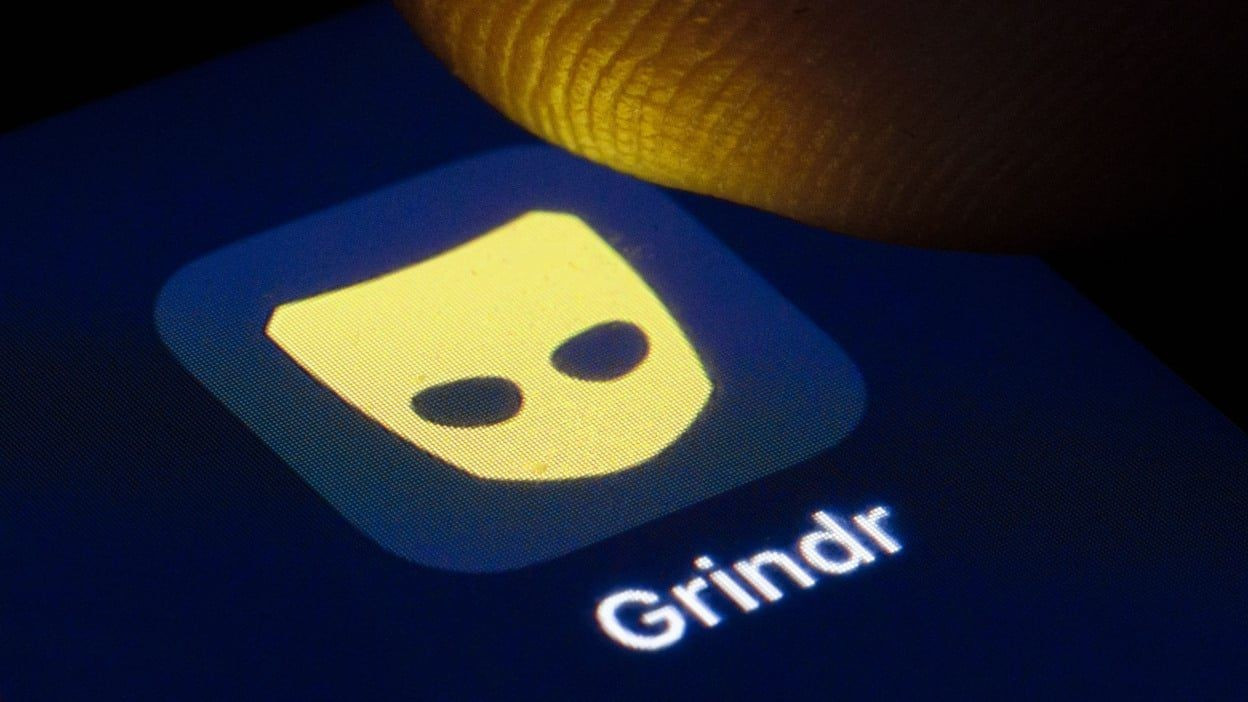
    Grindr’s controlling owners, Raymond Zage and James Lu, are reportedly pursuing a deal to take the company private after a recent slide in its stock triggered financial strain on loans they secured using their shares as collateral. According to insiders, a Temasek-linked lender seized and sold some pledged shares when they became under-collateralized, prompting Zage and Lu to explore debt financing via Fortress Investment Group to acquire the company at about $15 per share — valuing Grindr near $3 billion. The timing is striking, since Grindr’s business fundamentals appear strong (profits grew 25 % year over year in Q2), suggesting the move is being driven more by ownership leverage pressures than operational weakness.

    Sources: Reuters, TechCrunch

    Key Takeaways

    – The push to take Grindr private stems primarily from pressure on the owners’ personal finances — their shares were pledged as loan collateral and seized when the stock dropped.

    – The proposed buyout price is around $15 per share, implying a company valuation near $3 billion.

    – Grindr’s underlying business remains healthy (Q2 profits up ~25 %), indicating this is a financial engineering / leverage crisis rather than a collapse in fundamentals.

    In-Depth

    It’s tempting to view a move to take a company private as a refuge — a chance to insulate it from the whims of short-term stock markets. But in Grindr’s case, the narrative reads more like a high-stakes poker game gone awry. Zage and Lu, who together control over 60 % of the company, pledged most of their holdings as collateral for personal loans from a Temasek unit. When Grindr’s stock slid — even though its business was growing — those loans became under-collateralized, prompting the lender to seize and sell shares. That move, in turn, escalated the urgency: unless Zage and Lu take control and stabilize the ownership structure, they risk further margin calls and dilution.

    Now insiders say they are in talks with Fortress Investment Group to structure debt financing for a buyout around $15 per share, with a total valuation near $3 billion. That price would reverse a lot of recent share losses, but it puts enormous pressure on the deal to succeed. It will hinge not only on convincing third-party investors but also on managing regulatory and national-security scrutiny, especially given Grindr’s past — it was sold off from Chinese ownership in 2020 after U.S. national security concerns about user data. Any privatization deal would likely attract scrutiny given the app’s sensitive user base and the fact that Fortress is majority owned by Mubadala, which is tied to the government of Abu Dhabi.

    If this succeeds, it would serve as a stark reminder of how leveraged ownership can upend a public company’s trajectory. A strong business isn’t always enough if the shareholders holding the reins are overextended. And for investors, it underscores the importance of examining ownership structure and debt risk, not just revenue growth or profit margins.

    Share. Facebook Twitter Pinterest LinkedIn Tumblr Email
    Previous ArticleGreyNoise Launches Free Tool to Expose If Your IP Is Part of a Botnet
    Next Article Grokipedia’s Latest Update Turns Its “AI-Wiki” Into A Chaotic Editing Free-for-All

    Related Posts

    Replit CEO: AI Outputs Often “Generic Slop”, Urges Better Engineering and “Vibe Coding”

    January 14, 2026

    Memory Market Mayhem: RAM Prices Skyrocket and Could “10x” by 2026, Analysts Warn

    January 14, 2026

    New Test-Time Training Lets Models Keep Learning Without Costs Exploding

    January 14, 2026

    Ralph Wiggum Plugin Emerges as a Trending Autonomous AI Coding Tool in Claude

    January 14, 2026
    Add A Comment
    Leave A Reply Cancel Reply

    Editors Picks

    Replit CEO: AI Outputs Often “Generic Slop”, Urges Better Engineering and “Vibe Coding”

    January 14, 2026

    Memory Market Mayhem: RAM Prices Skyrocket and Could “10x” by 2026, Analysts Warn

    January 14, 2026

    New Test-Time Training Lets Models Keep Learning Without Costs Exploding

    January 14, 2026

    Ralph Wiggum Plugin Emerges as a Trending Autonomous AI Coding Tool in Claude

    January 14, 2026
    Top Reviews
    Tallwire
    Facebook X (Twitter) Instagram Pinterest YouTube
    • Tech
    • AI News
    © 2026 Tallwire. Optimized by ARMOUR Digital Marketing Agency.

    Type above and press Enter to search. Press Esc to cancel.