

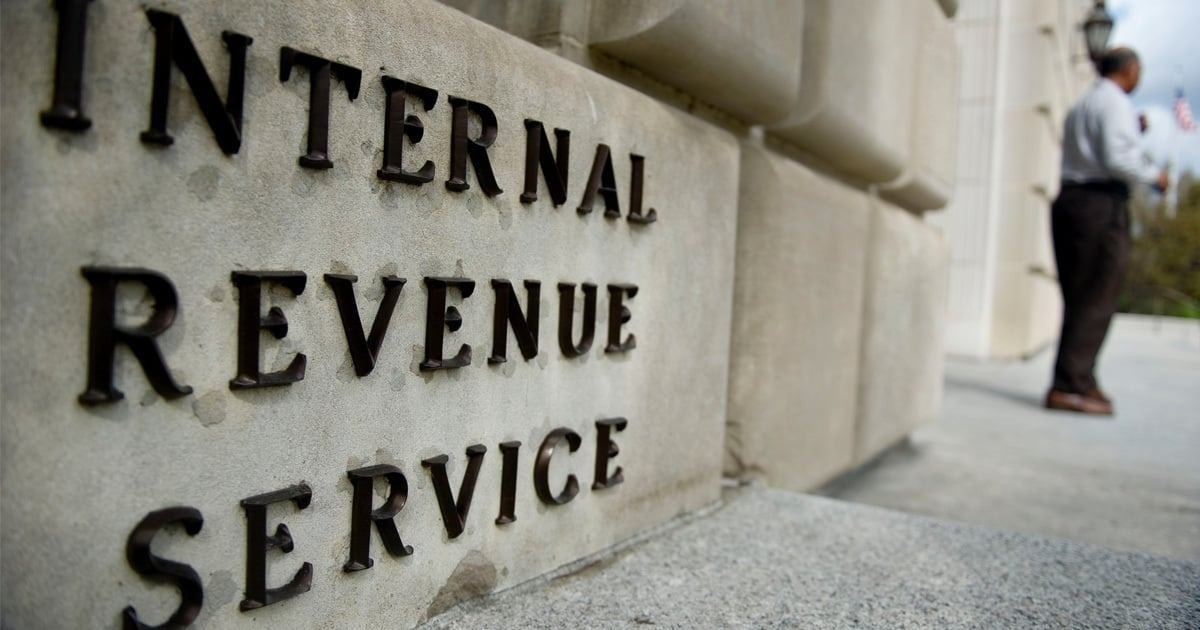
The Internal Revenue Service (IRS) announced via email to participating states that its pilot program IRS Direct File—which allowed eligible taxpayers to file their federal returns directly with the IRS at no cost—will not be available during the Filing Season 2026; the agency noted that “no launch date has been set for the future.” Previously the program had expanded to 25 states and garnered positive user feedback, but the reversal comes amid political pressure and industry lobbying, as Congress through a tax-and-spending reconciliation measure directed the Treasury to explore public-private alternatives to the government-run service.
Key Takeaways
– The IRS is discontinuing its Direct File program for the 2026 filing season, signaling a retreat from providing a free government-run tax-filing option for eligible taxpayers.
– The decision follows sustained opposition from private taxpreparation firms and Republican lawmakers, who argued the IRS was overstepping by entering the tax‐prep business.
– Although the pilot achieved praise from its users and expanded across multiple states, the future of free direct government tax-filing remains uncertain as the focus shifts toward public-private partnerships.
In-Depth
The decision by the IRS to halt access to its Direct File service—a free online tool allowing eligible taxpayers to file their federal tax returns directly with the agency—represents a reversal of what had been pitched as a landmark modernization of tax-filing in the United States. Introduced in pilot form, Direct File aimed to reduce reliance on commercial tax-preparation software, lower costs for taxpayers, and simplify filing for millions with straightforward tax situations. In 2024, the program rolled out in 12 states; by 2025 it was available in 25 states. On the surface, early user feedback was positive: survey data cited from the Treasury indicated that around 90 percent of users rated their experience as “Excellent” or “Above Average” and many said the tool increased trust in the IRS.
Despite the early promise, the programme faced strong resistance. Republican lawmakers raised concerns about the IRS acting simultaneously as tax preparer, collector, and enforcer, arguing the dual role presented conflicts of interest and potential overreach. Tax-preparation firms—the for-profit companies whose business model depends on taxpayers using their paid software—mounted lobbying efforts against Direct File, deeming it a competitive threat.
In July 2025 Congress passed a reconciliation bill (nicknamed the “Big Beautiful Bill” in some reporting) that effectively mandated the IRS to cease its own direct filing system and instead to establish a task force (funded at $15 million) to explore a public-private alternative. Then in November the IRS sent formal notifications to states: Direct File will not be available for Filing Season 2026, and no future launch date has been set.
From a taxpayer’s perspective, the move raises concerns about cost and access. The promise of a free filing tool directly with the IRS held particular appeal for lower- and middle-income individuals, who often face filing fees or upsells when using commercial software. One analysis estimated that taxpayers spend on average 13 hours and about $270 annually on tax preparation; proponents of Direct File argued that eliminating the need for a private middleman could save money and reduce complexity. The program’s suspension could mean those savings vanish, pushing taxpayers back toward paid software or professional preparers.
On the other hand, defenders of the decision argue that the government shouldn’t compete with the private sector and that the taxpayer benefit of government-run filing tools remains unproven at scale—especially given the limited adoption of existing free filing programs like the Free File public-private partnership, which only reached a fraction of eligible users. They also cite concerns about cost, technical complexity, identity verification and cybersecurity risks if the IRS were to operate a nationwide filing system.
For states and taxpayers who had anticipated continuing Direct File into 2026, the abrupt halt marks a disappointment. The email to states thanked them for collaborating but stressed that states offering Direct File must now pivot back to other filing mechanisms or coordinate with the task-force effort.
The future path appears to lie in a new blend of public oversight with private software providers, but how that will work—and whether it will truly deliver the cost and time savings promised by Direct File—remains to be seen.
In short, the discontinuation of Direct File represents a significant policy reversal in tax-filing infrastructure. What began as a bid to streamline and democratize tax filing via the government now transitions into an uncertain experiment in public-private reform. Taxpayers who had anticipated simpler, free options may find themselves once again relying on traditional software solutions or paid preparers—and the broader debate over government’s role in delivering tax services remains wide open.