

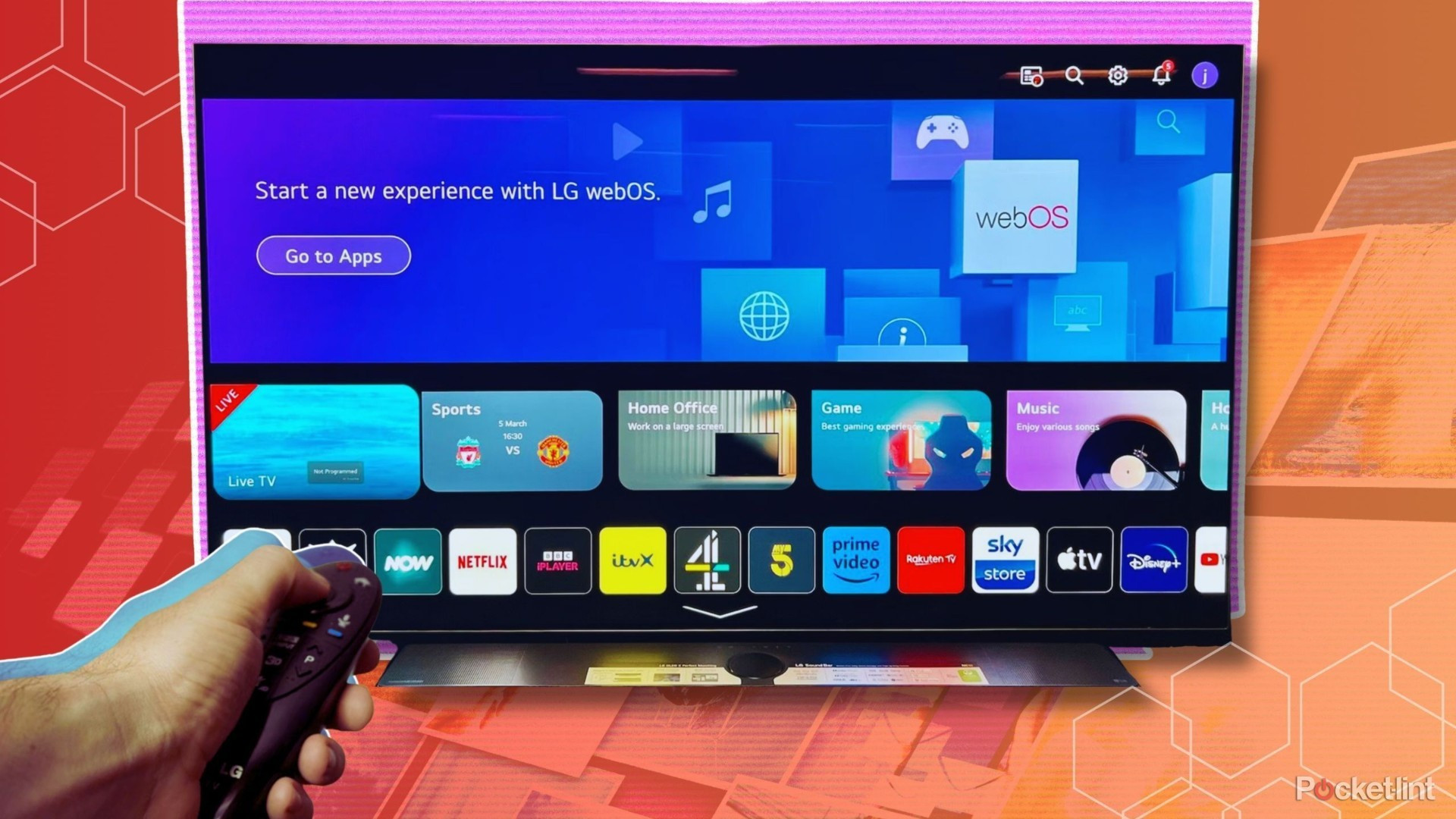
LG has rolled out a webOS update that automatically installs Microsoft‘s Copilot AI assistant on many of its smart TVs, and owners are discovering that the app cannot be fully uninstalled. Reports and user screenshots show Copilot appearing on home screens after routine software updates, with LG’s documentation clarifying that system-level apps like this cannot be deleted—only hidden or left unused. The new update also introduces a “Live Plus” feature that can analyze viewing habits for personalized recommendations and advertising, raising privacy and autonomy concerns among consumers who did not explicitly opt into these changes. Smart TV users and tech commentators alike are criticizing the move as an unwanted imposition of AI and bloatware on hardware they thought they owned outright, underscoring broader frustrations with modern smart devices that push data collection, ads, and tech partnerships before user consent.
Sources: Windows Central, Digital Trends
Key Takeaways
– LG’s latest webOS update installs Microsoft Copilot AI on smart TVs without a user-removable option.
– The update also activates features like Live Plus for content recognition and personalized ads, fueling privacy concerns.
– Consumers and commentators are frustrated by tech being imposed on devices they own without clear consent or control.
In-Depth
At the heart of the current controversy in consumer tech is a seemingly innocuous software update that has struck a nerve with owners of LG smart televisions across the United States and beyond. Earlier this week, multiple established tech outlets reported that Microsoft’s Copilot artificial intelligence assistant has begun appearing on LG webOS smart TVs seemingly unannounced and, more importantly, undeletable. What might be dismissed as a minor firmware tweak by Silicon Valley engineers has in fact tapped into widespread unease about consumer autonomy, privacy, and how big tech companies treat hardware that people buy with their own money.
According to coverage from Windows Central and Digital Trends, LG’s recent webOS update has added a Copilot tile or icon directly onto the home screens of affected TVs. In many cases owners say they did not actively install or agree to this addition; after routine automatic updates, the AI assistant is simply there. But the more significant detail is that Copilot is classified as a system-level app in webOS, and that categorization means the operating system does not allow users to uninstall it through normal menus. The only options available to users are to hide the icon or ignore the feature. For many device owners who value simplicity and control, that’s not nearly enough.
In addition to Copilot itself, the update appears to switch on a feature called “Live Plus,” which LG describes as a tool that can recognize what’s on the screen and use that information for tailored services like recommendations and advertising. Live Plus can be turned off in settings, but Copilot cannot. That distinction has become a central point of frustration in online discussions and Reddit threads, where users voice concern that smart TVs are increasingly acting less like devices you control and more like platforms that preach constant connectivity and data harvesting.
From a consumer standpoint, this situation highlights two intersecting trends in electronics: first, the normalization of preinstalled software that cannot easily be removed, and second, the push by major software companies to embed AI assistants and tracking tools across every gadget with a screen. These developments echo similar debates around smartphones, PCs, and even cars, where updates from manufacturers and tech partners can change a product long after purchase.
For those who remember a time when a television simply displayed programming and did nothing else, the backlash makes intuitive sense. Smart TVs have become far more advanced, but that sophistication has come with a trade-off: more software layers, more data flows, and less user control. The Copilot rollout is not the first instance of controversy over unwanted preinstalled apps, but it’s one of the most visible because of the growing prominence of AI features and the fact that they now reach into living rooms without explicit user consent.
The broader context is that partnerships between hardware manufacturers and software giants like Microsoft are increasingly common. LG has been positioning itself as a leader in AI-enhanced televisions, even dubbing parts of its 2025 lineup as “AI TV.” But when such integrations feel more like forced installs than optional upgrades, they risk alienating even brand-loyal customers. This dynamic raises questions about where the balance should lie between seamless experiences touted by manufacturers and the fundamental right of consumers to control the devices they pay for.
Adding to the unease is the perception that this kind of interoperability benefits tech conglomerates more than everyday users. Microsoft has invested heavily in Copilot and related AI technologies and seeks to extend their reach wherever possible. But forcing an AI helper onto a device meant for watching shows and movies—without offering a clear “off” switch—plays into narratives about intrusive big tech. To many consumers, the implication is that their TV now serves as another touchpoint for data collection and advertising, not just entertainment. In an era where privacy is already a deeply contested issue, that’s a hard sell.
There are practical responses circulating among tech-savvy owners: avoid connecting smart TVs to the internet, use external streaming devices that respect user choice, or simply skip models from manufacturers that impose software in this way. Yet for most average consumers, such workarounds are neither obvious nor desirable. People want their electronics to work without constant negotiation over what is and isn’t optional.
Ultimately, the Copilot situation underscores a broader cultural shift in how tech companies approach hardware and software. Where once manufacturers competed on picture quality, price, and basic features, today the battlefield extends into artificial intelligence, data platforms, and ecosystem lock-in. For conservative voices and privacy advocates, the core issue is not merely an unwanted app on a TV screen—it is an emblem of the broader erosion of consumer ownership in a digital age where devices are perpetually reshaped by remote updates and corporate priorities.
The lesson for consumers is increasingly clear: read the fine print, be skeptical of “smart” features, and be prepared to push back when technology oversteps into territory users did not ask for. Whether regulators will step in remains to be seen, but in the meantime the Copilot controversy has become a flashpoint in the debate over the future of consumer electronics and user control.