

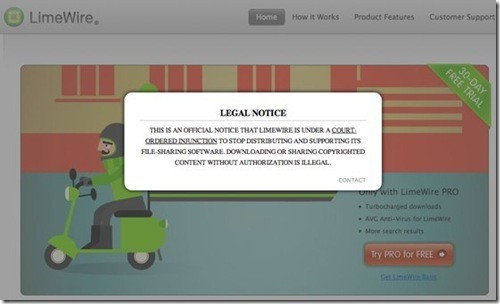
In a surprising twist, the formerly infamously free-music peer-to-peer platform LimeWire—which was shut down in 2010 after being found liable for massive copyright infringement—has acquired the rights to the disgraced Fyre Festival brand for approximately US $245,000 via an eBay auction. The deal was announced in mid-September 2025 and follows LimeWire’s own reinvention from a file-sharing app into an NFT/music asset platform in 2022. While Fyre Festival’s 2017 collapse became a cultural cautionary tale, LimeWire now plans to revive the brand around “real experiences, community and surprise,” while signalling it will avoid the fiascoes of the past. This move epitomises how digital disruption—once simply about free access—has flipped into a full-blown brand-relaunch strategy rooted in nostalgia and web-culture irony.
Key Takeaways
– LimeWire’s legacy as a quintessential early-2000s music-piracy platform has been reframed: once a copyright liability, now a brand seeking reinvention and monetisation.
– The acquisition of Fyre Festival’s branding for a modest $245,000 highlights how even notorious failures carry value in web-culture and nostalgia-driven business strategies.
– The move underscores the broader shift in the music/digital-content landscape: what began as mass unmanaged piracy helped catalyse streaming; now the old disruptors are positioning themselves as cultural-asset aggregators.
In-Depth
The story of LimeWire is nothing if not emblematic of the digital revolution’s messy, ironic path—and its recent purchase of Fyre Festival’s brand is perhaps the oddest chapter yet. Let’s rewind: back in the late 1990s and early 2000s, music labels were blindsided by peer-to-peer sharing platforms such as Napster, Kazaa and, ultimately, LimeWire. LimeWire emerged as one of the last major freestanding file-sharing clients, facilitating millions of downloads, most of them unauthorized. According to the company’s Wikipedia page and assorted tech-history accounts, LimeWire used the Gnutella protocol, was multi-platform (Windows, Mac, Linux), and by the mid-2000s was responsible for an enormous share of peer-to-peer traffic—traffic that the recording industry blamed for plummeting sales. Sources note that LimeWire’s makers settled with major labels for roughly $105 million in 2011 after a protracted lawsuit in which U.S. District Judge Kimba Wood ordered the platform to disable its file-trading features.
But LimeWire’s story didn’t end there. Although the original client ceased operations under legal pressure, versions of the software (and its codebase) persisted, and the brand name remained. Over time, interest in nostalgic tech and relics of the early internet turned LimeWire into something of a cultural artefact. Then, fast-forward to 2022: LimeWire was revived—though not as a simple file-sharing app—but as a music/NFT marketplace under new ownership. Even more bizarrely, in 2025, it bought the rights to Fyre Festival for about $245,000 in an eBay auction. The Fyre Festival brand had become shorthand for spectacular failure, fraud, and chaos—yet that infamy now seems to be repurposed as part of a re-imagination of experience, culture and meme-driven commerce.
From a right-leaning perspective, this arc reflects a broader theme of disruption and market realignment. The legacy recording industry long decried “free culture” and piracy as existential threats—and indeed, unauthorized file sharing did destabilize the old model of album sales. Yet, in response the industry eventually adapted: streaming services emerged, licensing became more sophisticated, and content-owners shifted to subscription or bundle models. LimeWire’s story is a reminder that technological disruption doesn’t stay outlawed forever; it either evolves or is regulated into something else. Now the disrupter itself is seeking legitimacy, turning the outrage of yesterday into the brand currency of today.
The acquisition of Fyre Festival by LimeWire is headline-grabbing because it threads together two iconic failures of the internet age—unauthorised piracy and over-hyped experiential marketing—and uses them as speculative cultural assets. From a conservative viewpoint, one might interpret this as the market repurposing a once-destructive service into a novelty or heritage brand: the free-wildwest of digital content has given way to intellectual-property-driven commerce and nostalgia capitalism. The notion that LimeWire would pivot from facilitating free piracy to packaging an infamy-laden festival brand underscores the enduring value of IP, legacy, and cultural resonance—even when the original model was law-breaking.
In the end, LimeWire’s journey—from pirate-software darling to brand-buyer—serves as a case study in how technology, law, culture and commerce intersect. It illustrates that once-iconic disruptors can be co-opted, re-branded, and monetised. The music industry’s fight against piracy may have won its legal battles, but the legacy of that struggle never really disappears—it just transforms. The question now is whether LimeWire, through the Fyre Festival brand, will succeed in turning scandal into experience, infamy into innovation—and what that means for how we value culture, rights, brands and entertainment in the years ahead.