

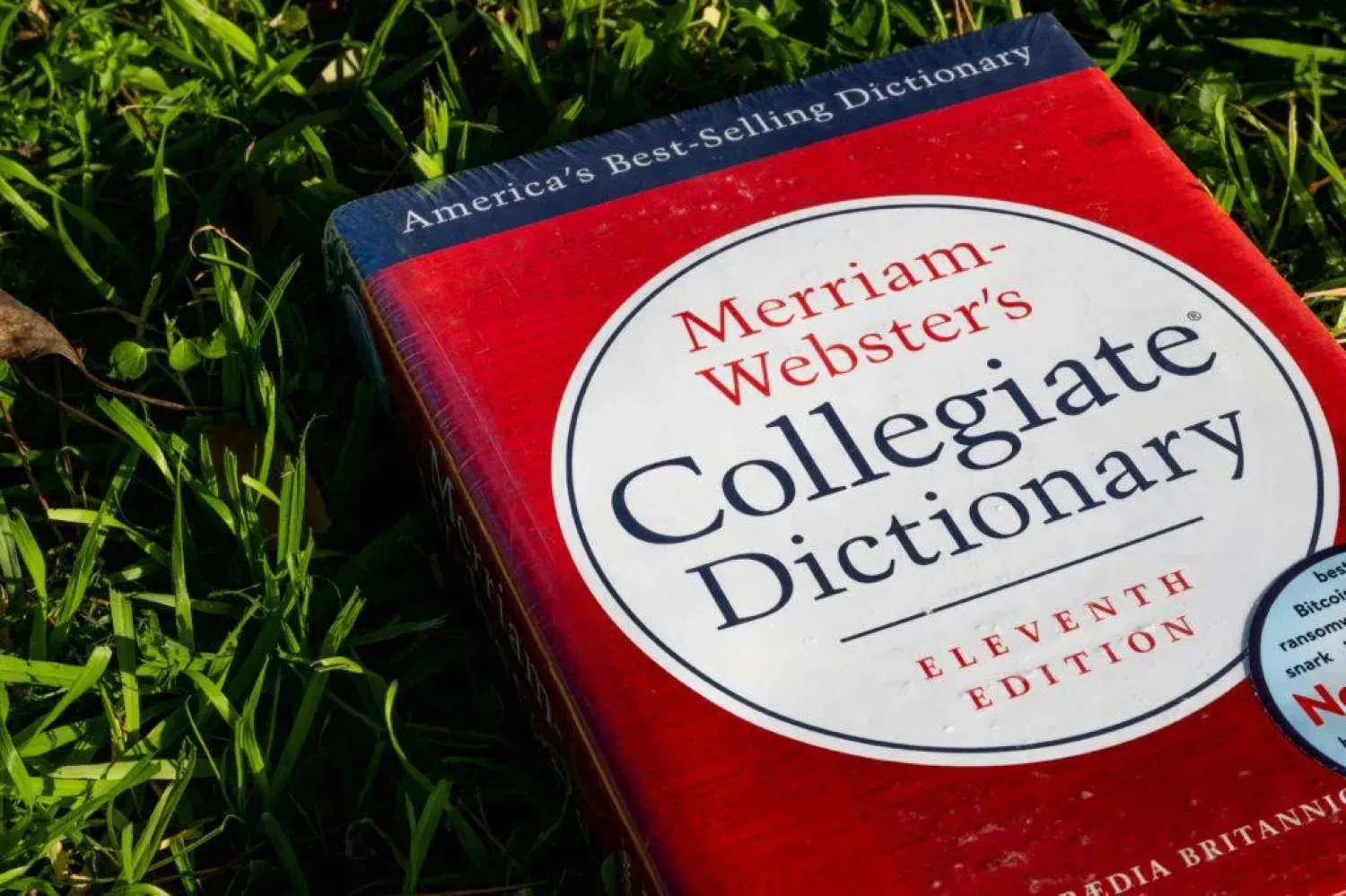
Merriam-Webster has selected “slop” as its 2025 Word of the Year, defining it as digital content of low quality produced in quantity by means of artificial intelligence, a choice that highlights widespread cultural concern about AI-generated junk content that has proliferated across the internet this year and crowded social media feeds with absurd videos, fake news, and poorly crafted digital media while prompting debates over authenticity and the role of human creativity.
Key Takeaways
• “Slop” reflects a backlash against AI-generated content perceived as low-effort, low-quality, and mass-produced.
• The word’s selection underscores growing public awareness of the challenges in preserving meaningful human creativity amid rapid AI adoption.
• The discussion around “slop” ties into broader concerns about misinformation, digital clutter, and the value of content authenticity online.
In-Depth
In a year marked by the rapid expansion of generative artificial intelligence across online platforms, Merriam-Webster’s declaration of “slop” as the 2025 Word of the Year encapsulates a deepening cultural unease about the quality and integrity of the digital content that users encounter daily. Originally meaning mud or refuse centuries ago, the term “slop” has been redefined in contemporary usage to describe digital content of low quality that is produced usually in quantity by means of artificial intelligence, capturing the essence of an online environment increasingly saturated with algorithmically generated media that lacks depth, originality, or truth. This choice by one of America’s foremost lexicographers reflects not only a linguistic trend but also a social critique of how emerging technologies have reshaped the information landscape.
Across social media feeds and digital platforms, the proliferation of AI-generated videos, images, text, and advertisements has stirred debate among creators, consumers, and industry leaders. What began as innovative tools for enhancing user experience has, for many observers, devolved into a flood of repetitive or meaningless content that crowds out human expression. From bizarre AI-crafted scenarios that defy logic to questionable news stories and derivative media productions, the sheer volume of this material has led to widespread frustration among users seeking authentic information or creative engagement online.
The selection of “slop” underscores a public desire to reclaim standards of quality in a digital age where speed and scale often trump substance. While platforms like YouTube, Wikipedia, and others have instituted measures to limit AI-generated noise, the phenomenon persists, highlighting the challenges inherent in balancing innovation with integrity. Moreover, the word’s application extends beyond mere annoyance: it reflects a broader cultural movement that prizes human ingenuity, nuanced communication, and thoughtful creation over automated output that panders to algorithms rather than to human intellect.
In this context, “slop” serves not just as a descriptor of content quality but as a symbol of the tension between technology and humanity. It resonates with public sentiment that values authenticity and questions whether the tools designed to expand creative horizons might instead dilute the very essence of meaningful discourse. As AI continues to evolve, so too will the vocabulary we use to critique, understand, and navigate its influence. By elevating “slop” to the status of Word of the Year, Merriam-Webster spotlights this linguistic and cultural crossroads, inviting a national conversation about the future of content, creativity, and truth in an increasingly automated world.
As 2025 comes to a close, the elevation of “slop” reminds us that language evolves alongside technology, and the words we choose to define our era reveal not just trends but collective values and concerns. In grappling with the rise of AI-generated content, society is asking critical questions about quality, authenticity, and the enduring value of human voice — issues that will shape the digital landscape for years to come.