

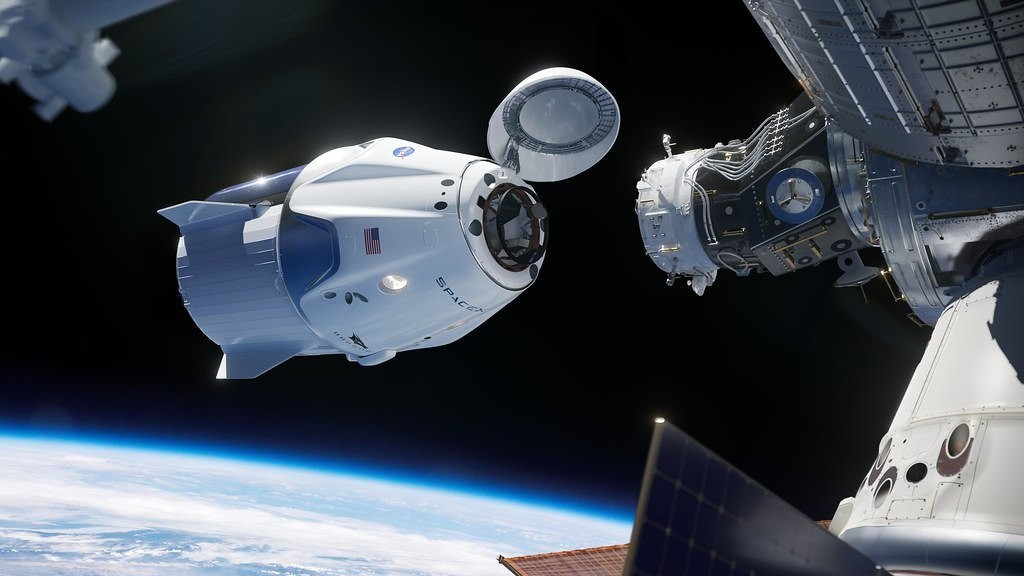
A growing strain between NASA and SpaceX has emerged as the two partners clash over safety protocols, transparency, and Elon Musk‘s unpredictable behavior on X (formerly Twitter). NASA officials have reportedly expressed frustration with Musk’s increasingly erratic public commentary and what they view as lapses in SpaceX’s corporate discipline. Meanwhile, SpaceX insiders argue that NASA’s bureaucracy and political entanglements are slowing innovation and threatening America’s lead in private space exploration. The friction comes at a critical juncture: SpaceX’s Starship program remains vital to NASA’s Artemis mission to return humans to the Moon, yet delays and disagreements over testing standards have strained trust. Observers worry the once-model partnership could falter just as U.S. ambitions for lunar and Martian exploration hinge on private-sector collaboration.
Sources: The Conversation, Space.com
Key Takeaways
– NASA and SpaceX are reportedly at odds over safety, transparency, and leadership conduct, threatening key projects like Artemis.
– Musk’s social media activity and corporate decisions have amplified tensions with NASA’s leadership and political overseers.
– The rift underscores the delicate balance between government oversight and entrepreneurial innovation in America’s space race.
In-Depth
The once-symbiotic relationship between NASA and SpaceX appears to be entering its most turbulent phase since the dawn of commercial spaceflight. When NASA first embraced SpaceX as a partner, it marked a bold break from bureaucratic stagnation—a shift toward the efficiency and daring of the private sector. For years, the collaboration worked beautifully: Crew Dragon missions restored U.S. human spaceflight capability, Starlink satellites expanded communications infrastructure, and the Artemis lunar project promised to return Americans to the Moon with SpaceX’s Starship.
But cracks are showing. NASA insiders, according to multiple reports, are increasingly uneasy about Elon Musk’s volatile online persona and his disregard for federal communication protocols. Agency officials worry that Musk’s political commentary and his leadership style are eroding the professionalism expected from a government contractor handling billions in taxpayer funds. For its part, SpaceX argues that NASA’s growing caution, committee delays, and political correctness are strangling innovation and imposing a risk-averse mindset that undermines American leadership in space exploration.
These tensions have practical consequences. Delays in Starship’s lunar-lander testing have already pushed back NASA’s Artemis schedule, fueling congressional scrutiny. Musk’s public criticism of NASA’s bureaucracy has only deepened the mistrust. Yet, despite the friction, both entities remain mutually dependent: NASA needs SpaceX’s speed and ingenuity, while SpaceX relies on NASA’s funding and legitimacy.
In the broader picture, this feud represents the ideological fault line defining modern American enterprise—between innovation and regulation, risk-taking and control. The challenge for NASA and SpaceX will be to reconcile their differences before political oversight or personal ego derail the nation’s most ambitious space endeavor since Apollo.