

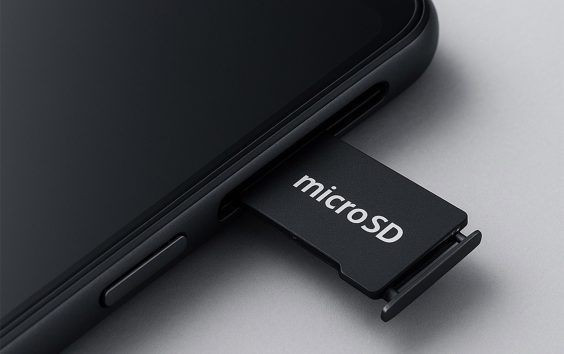
Smartphone makers are reportedly reconsidering the removal of microSD card slots, as soaring DRAM and storage-chip prices force tougher choices for both manufacturers and buyers. A recent rumor—originating from Chinese supply-chain chatter and echoed by tech-industry observers—suggests that companies may reintroduce expandable storage to help customers buy base-storage models and, instead of paying steep premiums for larger built-in storage, simply pop in a microSD card later. The move could soften the blow of price increases caused by aggressive DRAM price hikes driven by rising demand from AI infrastructure build-outs.
Sources: WCCF Tech, Economic Times
Key Takeaways
– The return of microSD card support could allow smartphone buyers to purchase lower-storage (and lower-cost) base models and expand storage later on their own.
– Elevated DRAM and NAND prices—driven by a pivot toward supplying AI data centers—are increasing phone production costs, putting upward pressure on retail prices.
– Reintroducing expandable storage could be a win–win: smartphone makers manage component cost pressures while offering consumers flexibility and more affordable upgrade paths.
In-Depth
The smartphone market is bracing for a shake-up: memory cost inflation has become hard to ignore, and manufacturers are reportedly rethinking one of the most criticized changes of the past few years—cutting out microSD card slots. According to a December 2025 report, internal discussions among suppliers and a growing chorus of insider chatter from Chinese OEM partners suggest some phone makers may re-enable expandable storage in future models. The logic is simple: with DRAM and NAND module prices rising fast—due in part to the global scramble for memory chips by AI infrastructure builders—offering consumers the option to purchase a lower-storage base model and add cheap external storage could help soften price hikes.
Over the last year, memory-chip costs have been on a steep upward climb. Contract prices for DRAM and NAND have surged, as suppliers prioritize lucrative enterprise and AI workloads. Compact LPDDR5X memory modules, once relatively affordable, have nearly doubled in cost for smartphone makers. Storage modules have also seen dramatic month-to-month jumps—particularly in 512GB and 1TB capacities. As a result, the bill of materials (BOM) for even mid-range phones has ballooned, threatening margins and prompting many companies to increase retail prices. Some manufacturers have already quietly raised prices for new phones and even bumped up pricing on existing inventory.
For consumers, paying more for top-end storage has been a recurring frustration. Historically, the microSD slot offered a simple, cost-effective path: you could buy the modest 128GB or 256GB version, get a 512GB or 1TB card later for a fraction of the internal storage premium, and still have flexibility. Removing the slot forced many users to buy high-capacity internal storage upfront at sharply higher prices—not ideal when memory modules are expensive.
Re-introducing microSD support could address both sides of this tension. For smartphone makers, it’s a way to preserve competitive pricing without absorbing the full brunt of memory-chip inflation. For consumers, it restores choice—buy smaller now, expand later. Even version updates like microSD Express bring transfer speeds closer to internal storage, reducing past performance concerns.
That said, nothing is confirmed yet. The idea remains a rumor circulating among suppliers and industry watchers. Some of the biggest manufacturers may resist re-adding a slot, especially for flagship models, because of design constraints (waterproofing, thinness, durability), or because they prefer locking users into higher-margin internal-storage variants. And phones already in production lines won’t be retrofitted to include a slot.
What’s clear is that rising memory costs are forcing hard choices across the smartphone supply chain: either raise prices, take a hit on profit margins, or lean on more flexible hardware design choices. Bringing back the microSD slot isn’t guaranteed—but increasingly, it looks like the most consumer-friendly path that still lets manufacturers manage costs.