

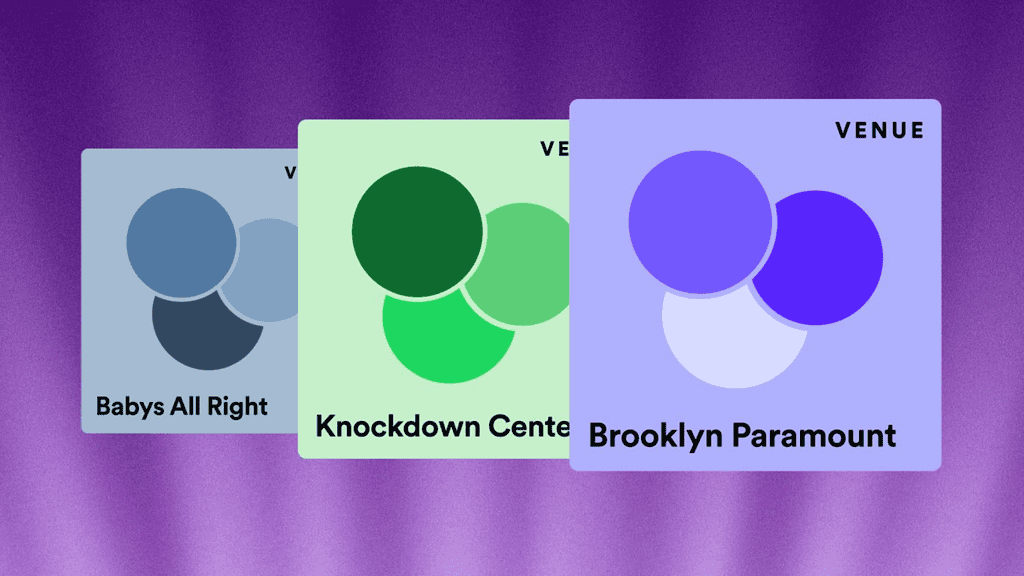
Streaming giant Spotify has rolled out a new feature allowing users (both free and premium) to follow live-music venues directly inside the app, saving them to their library and surfacing upcoming shows, announcements and genre-filtered listings. The company also upgraded its Live Events feed to refresh daily (up from weekly) and now supports over 20,000 venues globally. With a built-in ticketing link to partner platforms such as Ticketmaster or Live Nation, Spotify aims to turn streaming behaviour into live-event attendance and support both major arenas and smaller independent clubs.
Sources: Digital Trends, TechCrunch
Key Takeaways
– The venue-following tool enables users to track not just artists but physical music halls, clubs and arenas, giving fans a more venue-centric discovery path.
– By switching its Live Events feed to daily updates and integrating ticket-partner links, Spotify is accelerating the conversion from streaming intent to actual concert attendance.
– The move may boost revenue for venues and partners, expanding Spotify’s live-music ecosystem beyond pure streaming while supporting smaller venues that often struggle with visibility.
In-Depth
In what might be seen as a shrewd step for a streaming-platform veteran, Spotify is deepening its foothold in live music discovery and attendance. Rather than focusing solely on artists, playlists or streaming algorithms, the company is shifting attention to the oft-overlooked venue as a node in music consumption. The logic is straightforward: fans listen, learn about venues they like, follow them, and then see a show. For Spotify, that means more user engagement, more link-throughs to ticket sales, and potentially an extra revenue stream.
By enabling both free and premium users to follow venues and get their calendars, announcements and filtered show lists, Spotify broadens the scope of music discovery beyond algorithmic song suggestions. The fact that the Live Events feed now updates daily is also notable — weekly refreshes were adequate for casual browsing, but daily means fans get closer to real-time indication of gigs, pop-up shows or last-minute announcements. And with more than 20,000 venues globally already listed, including major arenas and independent clubs, the scale is meaningful.
From a business standpoint, this is a right-leaning kind of move: an existing platform leveraging its network effects, introducing incremental features that strengthen stickiness, and potentially boosting ancillary revenue without radical disruption. It is less about replacing ticket-platform giants and more about offering a better front-door for live music discovery. Spotify isn’t trying to be a ticketing monopoly; they’re the discovery layer, and they link to trusted partners like Ticketmaster or Live Nation. That kind of partnership-first strategy keeps the ecosystem stable, avoids heavy capital-investment risk on ticketing infrastructure, and leverages existing players.
For users, the benefit is clear: one app to follow artists and venues, filter by genre, see what’s coming up locally, and hit purchase links without flipping between apps. For smaller venues, the potential upside is greater visibility: a Spotify follower list acts somewhat like a capture of fans, and being surfaced in Spotify’s recommendation engine may level the playing field slightly between big-name arenas and local clubs. That can feed community music scenes and support a broader live-music ecosystem.
Naturally, there are caveats. The feature still relies on venues being correctly listed and integrated with ticket partners; independent venues without robust listings may lag. There’s also the question of how much Spotify will monetise this new feature — will there be paid promotion for venues inside the feed, or will data on venue-followers be used to target concert-goers more aggressively? From a rights-holder standpoint, connecting streaming data to live attendance will bolster the analytics side, but it might also drive competitive behaviour among venues and promoters to buy visibility.
From a consumer-liberty view, though, this is a step toward consolidation of functions in one place — streaming, discovery, live events — which has pros (convenience, unified experience) and cons (data centralisation, less competition between platforms). But from Spotify’s vantage, this is low-risk, high-reward: they rely on the ticketing partner ecosystem rather than building out heavy infrastructure themselves. They benefit from user retention, new engagement metrics, and possibly incremental revenue from ticketing referral.
In sum, this update reflects a broader shift in music consumption: streaming is no longer the end-point; it’s the gateway to real-world experiences. For Spotify, moving from songs to seats is a smart evolution. Users get more value, venues get more exposure, and Spotify strengthens its role not just as a streaming platform but as a live-music hub.