

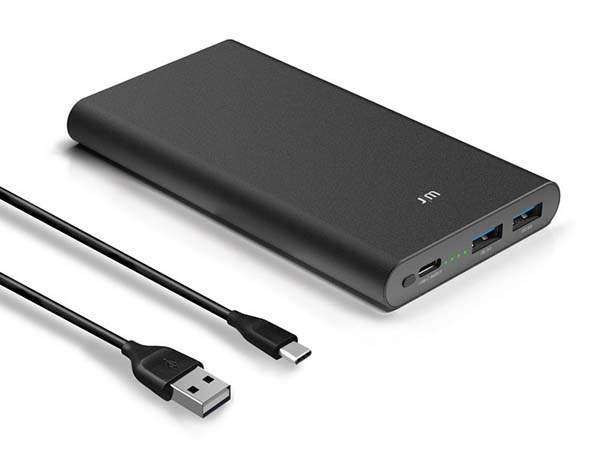
Federal safety officials have announced a recall of roughly 210,000 INIU BI-B41 10,000mAh portable power banks sold on Amazon after multiple reports of battery overheating, sparks, and small fires that led to three minor burn injuries and more than $380,000 in property damage. The U.S. Consumer Product Safety Commission says the affected units – identifiable by specific serial numbers and a distinctive paw-print LED light on a black or blue case – were sold between August 2021 and April 2022. Consumers are urged to stop using these devices immediately and to check with the manufacturer for a full refund, as lithium-ion batteries pose significant fire risks if not handled or disposed of properly. Manufacturers and regulators are emphasizing safe disposal through hazardous waste facilities rather than ordinary trash or recycling. This recall follows similar actions involving consumer electronics with lithium-ion batteries, highlighting ongoing concerns about safety standards in widely marketed, low-cost power accessories.
Sources: CPSC.gov, INIUS Shop
Key Takeaways
– The INIU BI-B41 10,000mAh power bank recall affects about 210,000 units sold on Amazon due to fire and burn hazards linked to lithium-ion battery overheating.
– Consumers are advised to immediately discontinue use, verify their unit with the manufacturer, claim a refund, and follow proper hazardous waste disposal procedures.
– This recall reflects a pattern of safety issues with low-cost lithium-ion battery-powered accessories and the importance of consumer vigilance.
In-Depth
The recent recall of INIU BI-B41 10,000mAh power banks sold predominantly through Amazon underscores a broader and recurring safety problem with inexpensive lithium-ion battery–powered accessories in the consumer electronics market. According to reports from credible news outlets and safety watchdogs, about 210,000 of these devices have been identified as posing a serious fire hazard after 15 separate incidents were reported in the U.S. alone, including 11 instances where the batteries overheated to the point of catching fire. While injuries have been limited to three minor burns, the associated property damage has exceeded $380,000, a figure that reveals the potential threat even relatively small electronics can pose when safety standards aren’t rigorously enforced or adhered to.
The Consumer Product Safety Commission (CPSC) has been the federal authority coordinating this recall, working with INIU to notify the public and provide guidance on identifying affected units. These power banks can be recognized by their black or blue outer casing, the INIU logo and a distinctive “paw-print” LED indicator. Importantly, only units with specific serial number prefixes are included in the recall, meaning not every BI-B41 model on the market is necessarily affected. Despite that nuance, consumers who purchased these devices between August 2021 and April 2022 are advised to err on the side of caution: stop using the power bank immediately, verify serial numbers with the manufacturer’s recall page, and pursue the offered refund.
One of the more critical aspects of this recall — and a point that tends to get lost in general media coverage — is the handling and disposal of lithium-ion batteries. These battery cells are ubiquitous: they power everything from smartphones to e-bikes. But when they fail internally, they can generate rapid heat, smoke, and flames. That hazard is precisely why federal safety authorities stress that recalled lithium-ion batteries should not be discarded in regular household trash or typical recycling streams. Ordinary waste infrastructure is not equipped to safely contain or neutralize the chemical energy in a failed battery, which could ignite other materials in a trash truck or recycling facility. Instead, consumers are guided to municipal hazardous waste facilities or specialized battery disposal centers, places that have protocols to manage such risks.
From a conservative perspective that trusts market forces and consumer choice, this kind of recall highlights both the strengths and limitations of our regulatory ecosystem. On one hand, the recall process itself — initiated after reports of danger, coordinated by the CPSC, and communicated through public channels — reflects an effective safety net that protects consumers without heavy-handed, preemptive regulation. Manufacturers that cut corners or source substandard components ultimately bear the financial and reputational cost when their products fail. That disciplinary mechanism matters in a free market: consumers vote with their wallets, and bad actors are exposed.
On the other hand, repeated recalls of similar products — especially affordable, off-brand electronics — suggest persistent gaps in upstream quality control. Consumers often chase bargains online, and when price competes with safety, there’s an obvious risk that cheaper products won’t meet the same engineering standards as premium brands. Retail platforms like Amazon can help by enforcing stricter seller standards and pushing for better third-party verification before allowing products on their marketplace. But ultimately the responsibility begins with manufacturers and informed consumers.
For shoppers who once bought or may still be using an INIU BI-B41 power bank, the message is plain: take the recall seriously, stop using the device, and follow safe disposal and refund procedures. Battery technology will continue to evolve and offer convenience, but without proper quality assurance and responsible consumer behavior, these innovations can carry unacceptable risks. This recent recall is a reminder that due diligence — in both purchasing decisions and product stewardship — remains essential for safety.