

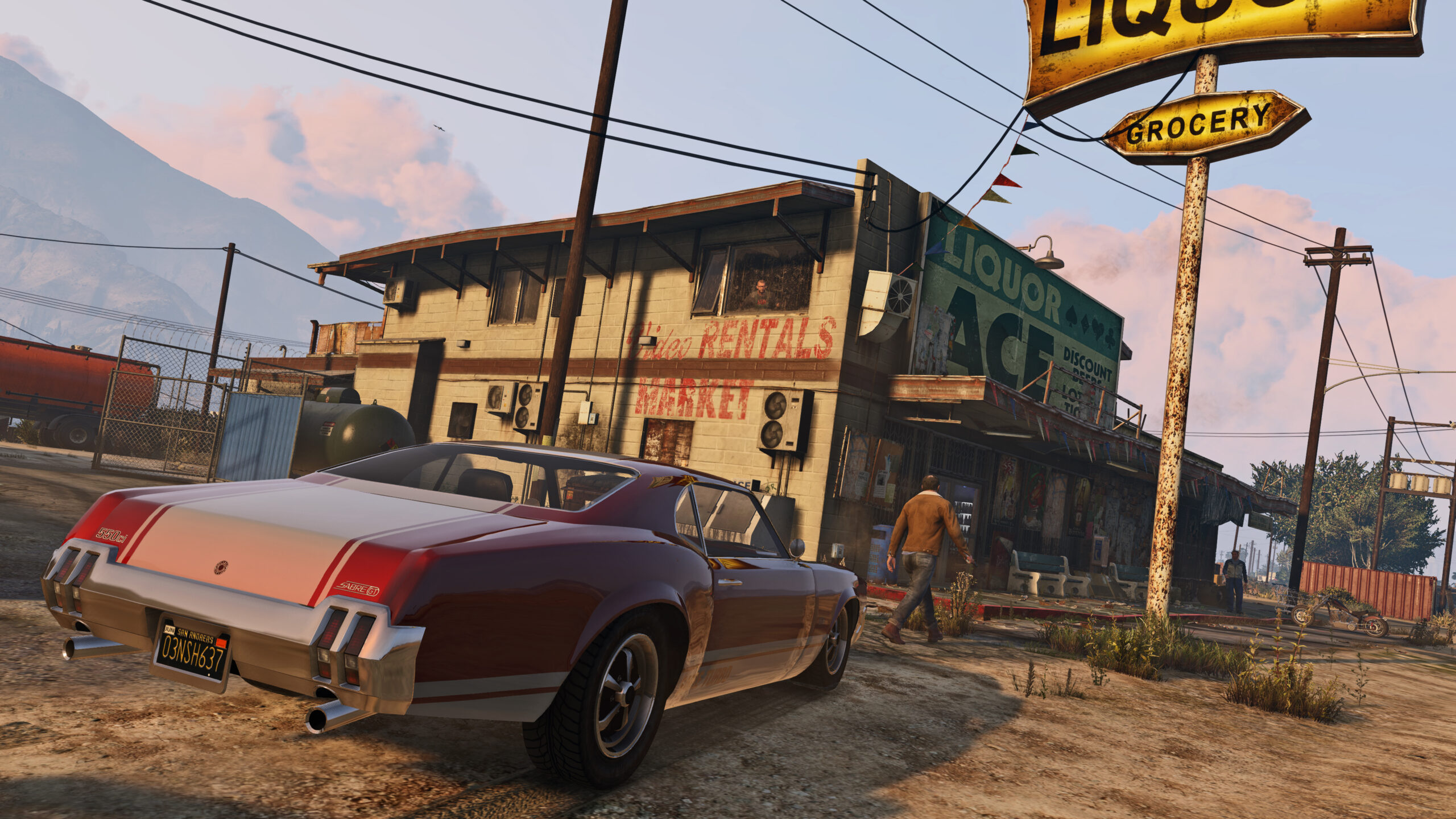
A fresh wave of coverage and commentary has reignited the longstanding cultural debate about whether violent video games, especially high-budget, hyper-realistic titles like Grand Theft Auto 6, have crossed a line by increasingly mimicking real-world violence and blurring the gap between digital escapism and lifelike simulation. Industry observers and critics argue that the technological push toward photorealism raises ethical and psychological questions about the impact such games could have on players, especially youth, and whether there should be greater scrutiny or restraint in how violence is depicted and rewarded in interactive media. This conversation builds on decades of controversy over violent game content and includes perspectives that link realism with potential aggression as well as views that see the debate as cyclical moral panic rather than evidence of causal harm. The debate is not limited to Grand Theft Auto; other games noted for ultra-realistic visuals have sparked similar reactions, fueling calls for clearer cultural standards and greater parental involvement.
Sources:
https://startupnews.fyi/2026/01/08/are-violent-video-games-becoming-too-realistic-the-debate-around-grand-theft-auto-6/
https://en.wikipedia.org/wiki/Video_game_controversies
https://time.com/7320700/video-games-violence-history/
Key Takeaways
• Critics of modern game realism argue enhanced graphic fidelity and immersion in violent titles like GTA 6 could desensitize players and prompt negative effects, reigniting broader societal concerns.
• The history of video game controversy shows persistent debate over violence and its influence on behavior, though robust causal links to real-world violence remain disputed and inconclusive.
• Cultural discussions now intersect with technological advances, raising questions about creative responsibility, parental guidance, and the role of interactive entertainment in shaping norms around violence.
In-Depth
The conversation around violent video games has taken a familiar yet increasingly urgent turn as the gaming industry pushes the boundaries of realism in titles like Grand Theft Auto 6. With each generation, developers boast about more lifelike graphics, physics, and AI — but many concerned observers are asking whether this relentless pursuit of fidelity carries a societal cost. The core of the debate is simple: when digital violence starts to mirror real life too closely, does it remain harmless entertainment, or does it risk normalizing or desensitizing players to aggressive behavior? Some critics argue that realism isn’t purely aesthetic; it can influence how young people perceive and internalize the actions they perform on-screen. They point out that games now reward players for violent choices in ways that passive media never did, and that interactive engagement may have different psychological effects than watching a movie or TV show.
This discussion doesn’t exist in a vacuum. For decades, violent games have been a lightning rod for cultural anxieties — from early controversies over Mortal Kombat and congressional hearings in the 1990s to the current scrutiny of photorealistic shooters. History shows that reactions often tell us as much about broader societal fears as they do about the medium itself. Conservatives, in particular, emphasize personal responsibility and parental oversight, arguing that families, not tech giants or regulators, should set the standards for what children are allowed to play. At the same time, the debate underscores a deeper truth: America cannot simply dismiss concerns about media influence while ignoring the ethical implications of games that increasingly blur the line between fantasy and reality. In this moment, prudent voices call for thoughtful consideration of both creative freedom and cultural impact.