

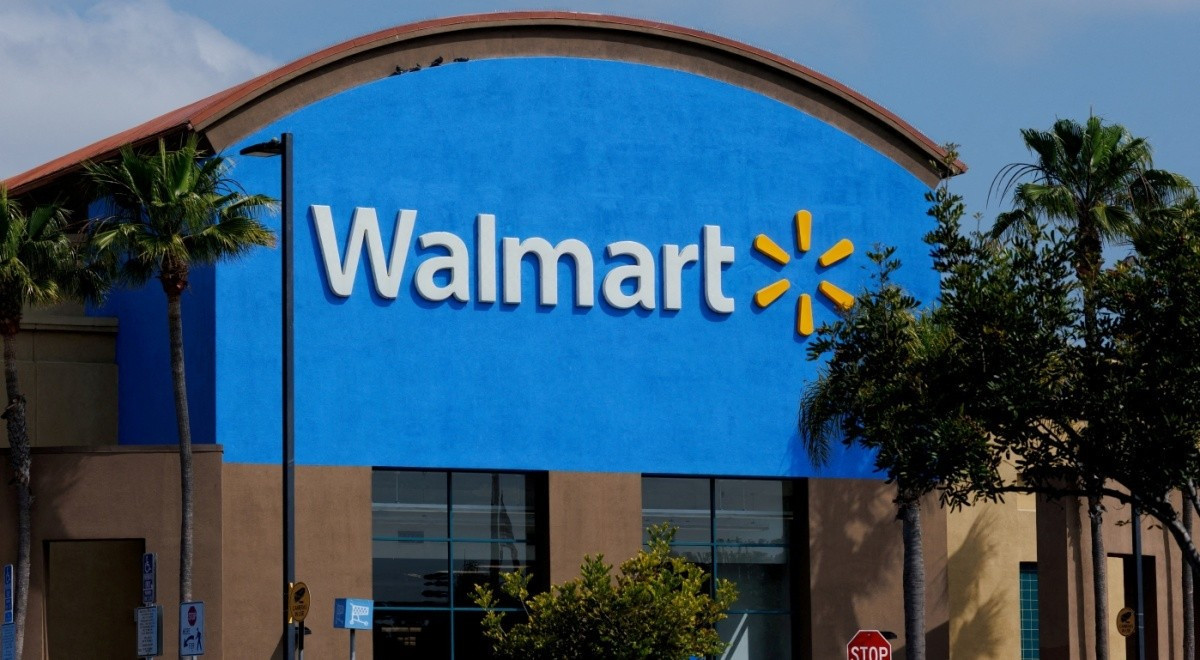
Walmart is dramatically scaling its drone delivery service in partnership with Wing, an Alphabet-owned company, announcing plans to bring on-demand aerial deliveries to an additional 150 Walmart stores across major U.S. cities over the next year. This expansion, building on successful operations in Dallas-Fort Worth and Atlanta, will extend service to areas such as Los Angeles, St. Louis, Cincinnati, and Miami, with Houston slated to launch mid-January. Once complete, Walmart and Wing aim to operate more than 270 drone delivery hubs by 2027, potentially giving more than 40 million Americans access to ultra-fast deliveries of groceries, over-the-counter medicines, and everyday items. Customer demand has driven rapid growth, with top users reportedly ordering three times weekly, and the companies say this expansion positions drone delivery as a mainstream retail logistics option rather than a pilot project. While drone weight limits and regulatory hurdles remain considerations, the initiative underscores Walmart’s push to modernize last-mile delivery and compete directly with rivals like Amazon in rapid delivery services.
Sources:
https://techcrunch.com/2026/01/11/wing-to-expand-drone-delivery-to-another-150-walmart-stores/
https://www.wsj.com/articles/walmart-expanding-drone-delivery-to-hundreds-more-stores-696165f7
https://www.supplychaindive.com/news/walmart-wing-drone-delivery-coverage-expansion/809326
Key Takeaways
• Walmart and Alphabet’s Wing are scaling drone delivery from regional pilots to a nationwide footprint, targeting 270+ stores by 2027.
• The service aims to deliver everyday items like groceries and medicine quickly, responding to strong consumer adoption in early markets.
• Expansion efforts advance Walmart’s competitive position in last-mile delivery against rivals while navigating ongoing logistical and regulatory challenges.
In-Depth
Walmart’s latest announcement to expand its drone delivery partnership with Wing reflects a strategic bet on the future of retail logistics. Historically, drone delivery has been viewed as experimental or niche, but Walmart is treating it as a central component of its delivery portfolio, aiming to make it a routine service for customers in dozens of major U.S. cities. By committing to add drone services at 150 additional stores, the company plans to move beyond isolated regional operations to a broader service area that could reach over 40 million Americans—up from just a couple million today. This rapid scaling is driven by solid evidence of customer demand: in markets like Dallas-Fort Worth and Atlanta, frequent users are already incorporating drone deliveries into their weekly routines.
The expanded service will focus on lightweight, high-turnover goods such as groceries, household essentials, and over-the-counter medicines, delivering them within minutes via autonomous drones capable of lifting several pounds. Walmart’s approach leans into convenience, with customers able to place orders through the Wing app and, in some cases, receive free delivery. As the service rolls out into cities like Los Angeles, Miami, Cincinnati, and St. Louis, Walmart will be testing whether drone delivery can help it differentiate from competitors and capture market share where speed and efficiency are increasingly valued by consumers.
However, the program isn’t without challenges. Weight limitations and Federal Aviation Administration regulations around drone flights, especially beyond visual line of sight, still pose hurdles. While Walmart and Wing have made regulatory progress, scaling safely and reliably across urban and suburban environments will require ongoing coordination with local authorities and careful operational planning.
From a broader perspective, Walmart’s investment signals confidence in autonomous aerial logistics as a long-term play. In an era where consumer expectations for speed are rising, drone delivery is a visible commitment to innovation—setting Walmart apart in a crowded retail landscape and forcing competitors to consider similar investments. If the service lives up to its promise, drone delivery could reshape last-mile logistics, offering faster, potentially lower-cost alternatives to traditional ground transportation and enhancing Walmart’s omnichannel strategy in a conservative market that prizes efficiency and reliability.