

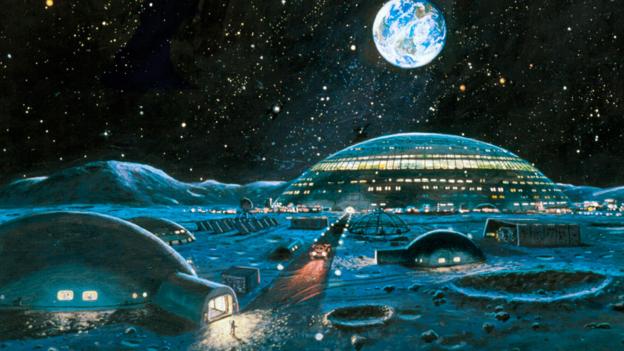
A California-based aerospace startup called Galactic Resource Utilization Space (GRU Space) has begun accepting reservations for what it bills as the first real hotel on the Moon, offering wealthy travelers the chance to lock in a future lunar stay with deposits ranging from $250,000 to $1,000,000, with a target opening date around 2032 that hinges on ambitious construction timelines and the development of novel lunar habitat technologies. The company is backed by Y Combinator and investors tied to SpaceX and Anduril, and it plans to use proprietary modules and in-situ resource utilization to build durable lunar structures, though critics note the substantial technological and regulatory hurdles that remain before such a venture can actually be realized.
Sources:
https://www.space.com/astronomy/moon/this-company-is-taking-usd1-million-reservations-for-hotel-rooms-on-the-moon
https://www.technology.org/2026/01/13/lunar-hotel-reservations-250k-moon-room/
https://eturbonews.com/reservation-for-the-first-hotel-on-the-moon
Key Takeaways
• A private startup is selling advance reservations for lunar hotel stays with extremely high deposits, highlighting the commercialization of space tourism.
• The projected opening year of 2032 depends on unproven technologies, regulatory approvals, and successful missions to the Moon’s surface.
• The venture underscores a broader trend of private investment in off-Earth travel infrastructure, even as skeptics question feasibility and timing.
In-Depth
A new frontier in luxury travel is unfolding, but it’s one that’s priced strictly for the ultra-wealthy. Galactic Resource Utilization Space, a California startup backed by prominent tech accelerators and investors, has opened up reservations for what it claims will be the first hotel on the Moon, with hefty deposits between $250,000 and $1,000,000 securing potential future stays. According to reporting, the company’s plan is to have this lunar outpost welcoming guests as early as 2032, but that timeline is contingent upon significant engineering breakthroughs and regulatory green lights that are far from guaranteed.
The proposal marks a clear pivot in space tourism from suborbital joyrides and orbital stays to permanent infrastructure on extraterrestrial surfaces. Advocates argue that such private ventures inject dynamism and capital into the broader space economy, potentially accelerating human expansion beyond Earth’s orbit. Backers believe that tourism can anchor a lunar economy, paving the way for scientific, commercial, and even residential interests on the Moon.
Yet critics urge caution. Skeptics point out that the physical challenges of constructing safe, habitable structures on the Moon are immense, and the current plans remain largely conceptual. With technology, supply chains, launch capability, and human safety all unresolved, some view the reservations more as a speculative bet on the future than a firm guarantee of a lunar holiday. Regardless, the move underscores a conservative philosophy of opening markets, even in cutting-edge arenas like space, trusting that private initiative and investment will drive breakthroughs that government programs alone have struggled to deliver.