

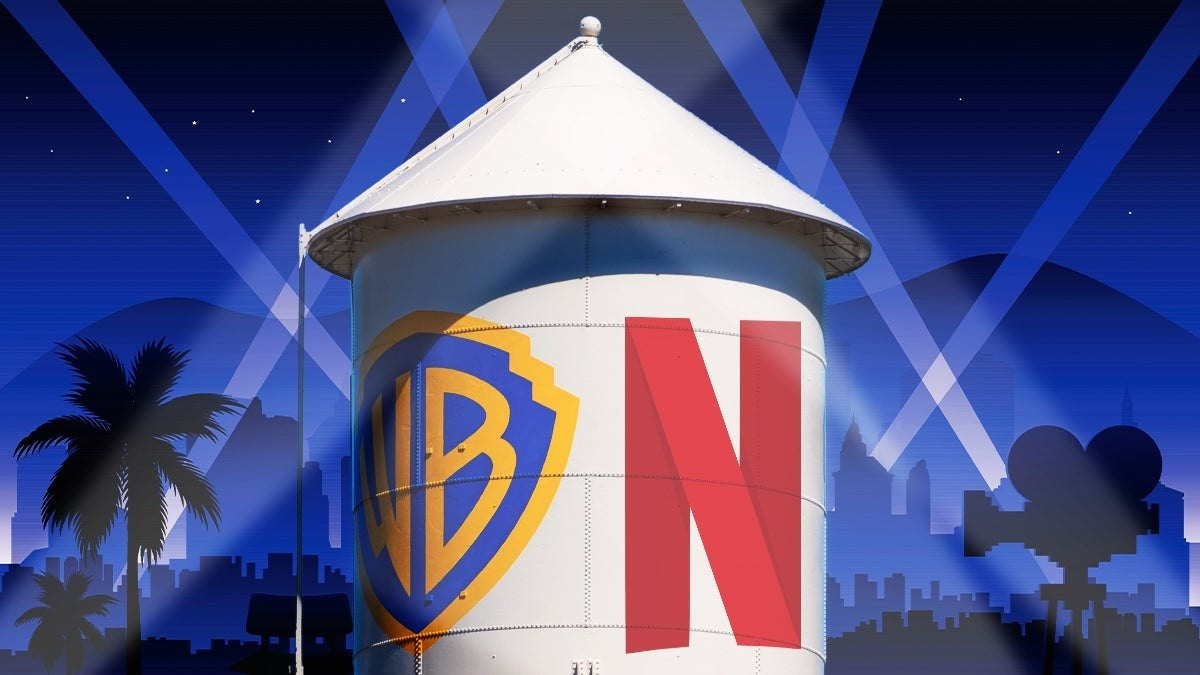
Netflix is set to acquire Warner Bros. Discovery’s film and TV studios—including HBO and HBO Max—in a deal valued at roughly $82.7 billion, after a competitive bidding process that saw Paramount Skydance mount a hostile $108.4 billion offer. Warner Bros. Discovery’s board has backed Netflix’s proposal, which includes an all-cash component at $27.75 per share, and both companies aim for a shareholder vote by April 2026 as regulatory review continues. The transaction, originally announced in December 2025, would bring legendary franchises and extensive content libraries under Netflix’s control, but the acquisition has drawn intense scrutiny from U.S. lawmakers and antitrust regulators, with key senators urging the Department of Justice to block the merger over concerns about media consolidation.
Sources:
https://techcrunch.com/2026/01/23/what-to-know-about-netflixs-landmark-acquisition-of-warner-bros/
https://finance.yahoo.com/news/know-netflix-landmark-acquisition-warner-203127005.html
https://www.reuters.com/business/finance/netflix-submits-amended-all-cash-offer-warner-bros-wins-board-support-2026-01-20/
Key Takeaways
• Netflix’s acquisition of Warner Bros. Discovery’s studios and streaming assets is one of the most significant media deals in decades, combining major content libraries under one corporate roof.
• The deal faces high regulatory scrutiny in the U.S., including calls from prominent lawmakers for antitrust intervention to prevent excessive market concentration in streaming and entertainment.
• A fierce bidding war with Paramount Skydance highlighted strategic competition in the media sector, but Warner’s board ultimately supported Netflix’s all-cash revised offer for greater certainty and long-term value.
In-Depth
In a blockbuster move poised to reshape Hollywood and the global entertainment landscape, Netflix has agreed to acquire Warner Bros. Discovery’s core studio and streaming businesses in a transaction valued at about $82.7 billion. The agreement marks a dramatic consolidation in the industry, bringing iconic film and television properties—including HBO, HBO Max, DC Comics content, and blockbuster franchises like Game of Thrones and Harry Potter—into Netflix’s vast distribution network. This strategic bet reflects Netflix’s ambition to solidify its dominance in streaming by integrating deep content libraries with its massive subscriber base of more than 325 million users worldwide. The deal’s structure, centered on an all-cash component of $27.75 per share, won unanimous support from Warner Bros. Discovery’s board, which believed Netflix’s proposal offered clearer value and a more certain path forward compared with competing bids. Paramount Skydance’s hostile bid, which at one point topped $108 billion, ultimately failed to secure board backing despite its higher headline valuation. As part of the terms, Warner Bros. Discovery’s linear networks and legacy cable businesses are slated to be spun off into a separate entity, Discovery Global, insulating parts of the old corporate structure from the acquisition.
However, the path to closing the deal remains far from smooth. U.S. regulatory agencies, including the Department of Justice, are conducting in-depth antitrust reviews, prompted by concerns from lawmakers and industry observers about the risks of excessive market concentration. High-profile Senate scrutiny underscores fears that consolidating such vast content power under one roof could dampen competition, inflate consumer costs, or stifle content diversity. Netflix executives have argued that the deal will enhance competitiveness and offer consumers broader choices, but critics remain skeptical of these assurances. The broader media industry is watching closely, with potential ripple effects for creators, distributors, and theaters as the balance between streaming platforms and traditional outlets continues to shift. Pending shareholder approval expected in the spring and regulatory clearance over the coming year, the acquisition represents both a landmark achievement for Netflix and a pivotal test case in how antitrust law will confront the concentration of cultural and entertainment assets in the digital streaming age.