

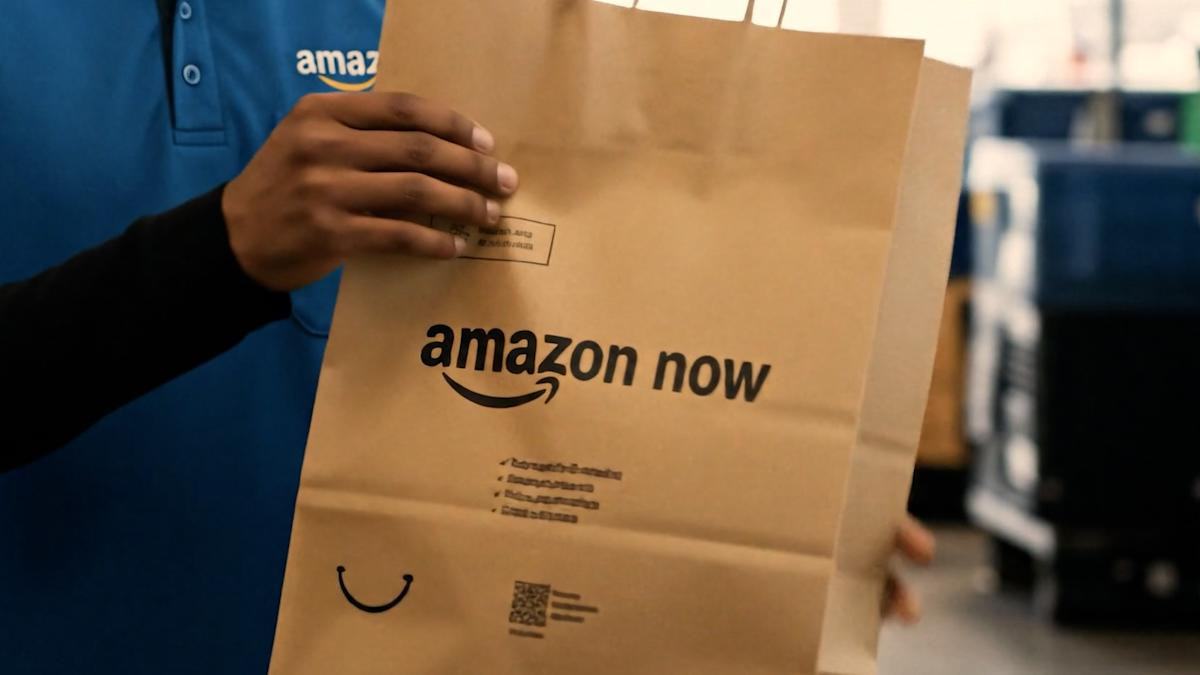
Amazon has announced it will close all of its physical Amazon Go and Amazon Fresh grocery and convenience stores by early February 2026, a strategic move toward expanding online same-day grocery delivery and growing its Whole Foods Market footprint, with some locations being converted into Whole Foods stores and new store formats planned; the company stated the Amazon Go and Fresh retail experiments didn’t achieve a sustainable economic model for large-scale expansion and emphasized investment in delivery services and new retail concepts.
Sources:
https://techcrunch.com/2026/01/27/amazon-is-closing-its-physical-amazon-go-and-amazon-fresh-stores/
https://www.wsaz.com/2026/01/27/amazon-close-all-amazon-go-amazon-fresh-stores/
https://www.geekwire.com/2026/amazon-closing-all-amazon-fresh-and-go-stores-to-focus-on-whole-foods-and-grocery-delivery/
Key Takeaways
• Amazon is winding down its brick-and-mortar Amazon Go and Amazon Fresh operations, stating the stores lacked the right economic model for broad expansion.
• The company is pivoting toward expanding online same-day grocery delivery and investing in Whole Foods Market, including converting some shuttered stores into Whole Foods locations and planning new store concepts.
• The closures reflect a broader strategic shift within Amazon’s retail strategy, influenced by changing shopper habits and the stronger performance of delivery services over physical grocery stores.
In-Depth
Amazon’s recent announcement that it will shut down all of its Amazon Go and Amazon Fresh physical stores marks a significant pivot in the company’s retail strategy. After several years of experimenting with high-tech, cashierless grocery and convenience formats, the company concluded the brands did not produce a sustainable economic model for widespread physical expansion. According to statements published by Amazon, the last day of operation for these stores is expected to be February 1, 2026, with exceptions in states like California where legal requirements delay closures. This decision affects all 57 Amazon Fresh and 15 Amazon Go stores nationwide.
The move underscores a larger shift in how consumers shop for groceries, with many increasingly turning to online delivery services. Amazon’s own data suggests robust demand for its same-day delivery offerings, now available in thousands of cities and towns across the United States. By reallocating resources from brick-and-mortar stores to digital grocery delivery and enhancing its logistics capabilities, Amazon is betting on convenience and efficiency that align with evolving consumer preferences. Additionally, the company sees greater strategic value in its Whole Foods Market business, which it acquired in 2017 and has since expanded significantly. A portion of the soon-to-close Fresh and Go locations will be converted into Whole Foods locations, and Amazon plans to open more than 100 new Whole Foods stores in the coming years, signaling confidence in that brand’s market traction.
Despite the closures, Amazon insists it is not abandoning physical retail altogether. Leadership highlighted plans to test new store formats, such as a “supercenter” concept that merges groceries with a broader range of merchandise, and smaller-format Whole Foods Market Daily Shops aimed at quick, convenience-oriented shopping. The company also intends to continue leveraging the “Just Walk Out” technology developed through its Go stores by licensing it to third parties, illustrating a shift from owning physical locations to providing technological infrastructure to other retailers.
This strategic realignment reflects wider trends in the retail sector, where digital commerce and delivery services have increasingly displaced traditional in-store shopping, particularly for everyday essentials. Amazon’s decision to shutter these physical grocery operations is a notable reversal from its previous investments, but one that aligns with its broader focus on scalable, customer-centric services that capitalize on its strengths in logistics and technology.