

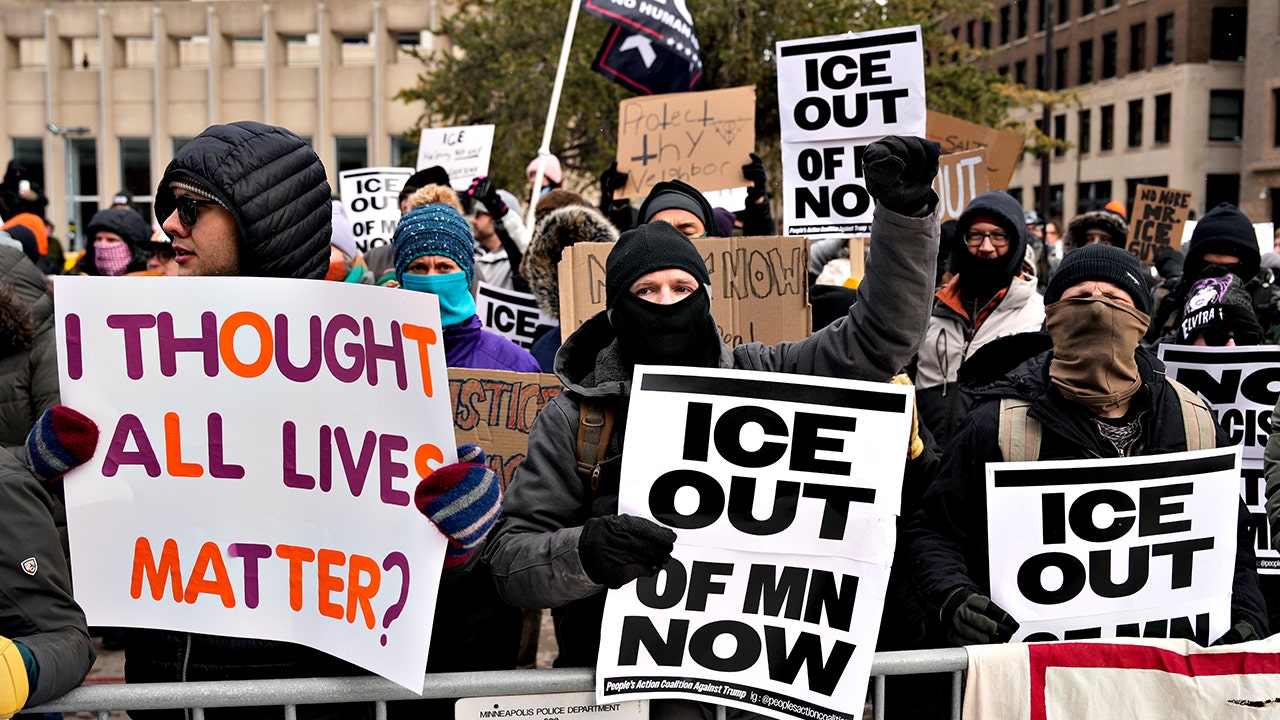
Tech industry leaders at major AI firms have publicly and internally condemned recent violence tied to U.S. Immigration and Customs Enforcement (ICE) and Border Patrol actions in Minneapolis, where federal agents fatally shot U.S. citizens during immigration enforcement operations, even as they balance those criticisms with praise for President Trump’s response. Anthropic CEO Dario Amodei and OpenAI CEO Sam Altman both expressed concern about what they described as excessive use of force by federal immigration authorities following the Minneapolis shootings — including the death of ICU nurse Alex Pretti at the hands of Border Patrol agents — and underscored the importance of defending democratic values. Altman’s remarks came in an internal Slack message to employees, where he also praised President Trump as a strong leader and urged unity, while tech workers have called for CEOs to demand de-escalation and cancel government contracts with ICE. These tech executive reactions are unfolding against a backdrop of ongoing protests and national debate over aggressive federal immigration enforcement tactics that now include multiple fatal encounters and heightened scrutiny from lawmakers, corporate leaders, and local communities.
Sources:
https://techcrunch.com/2026/01/28/anthropic-and-openai-ceos-condemn-ice-violence-praise-trump/
https://www.reuters.com/world/openais-altman-tells-employees-ice-is-going-too-far-after-minnesota-killings-2026-01-28/
https://www.pbs.org/newshour/nation/a-second-u-s-citizen-was-killed-by-federal-forces-in-minneapolis-heres-what-we-know
Key Takeaways
- Top AI and tech executives have publicly criticized violent conduct by federal immigration agents — especially related to Minneapolis shootings — while also expressing support for President Trump’s leadership and calls for accountability.
- Sam Altman’s internal comments underscore a delicate balance between condemning government overreach and maintaining political alignment, reflecting broader tensions within corporate America over immigration enforcement policy.
- The Minneapolis incidents, including the fatal shooting of a lawful gun-owning citizen, have fueled nationwide protests, legislative scrutiny, and industry pressure on political leaders to reassess immigration enforcement strategies.
In-Depth
In the past week, America’s tech leadership has taken an unusually public stance on a highly politicized issue: the conduct of federal immigration enforcement. As details continue to emerge about the fatal shootings of U.S. citizens by federal agents in Minneapolis — most notably the death of 37-year-old Alex Pretti, an ICU nurse killed during a confrontation with Border Patrol officers — executives at major AI firms have stepped into a contentious national debate with statements that blend condemnation with political nuance.
Anthropic CEO Dario Amodei was among the first to speak out, criticizing what he described as troubling levels of violence by Border Patrol and ICE agents. Appearing on national television and posting on social platforms, Amodei stressed the importance of upholding democratic values even while supporting lawful immigration enforcement. He noted that his company has no current contracts with ICE, a detail aimed at reinforcing the independence of his critique.
OpenAI’s Sam Altman followed with an internal message to employees that quickly made headlines. In that communication, Altman labeled the actions of ICE and Border Patrol “going too far,” calling on civic engagement to push back against perceived government overreach. At the same time, he included praise for President Trump as “a very strong leader,” and urged unity at a moment of political tension. Altman’s message reflects the broader tightrope that corporate leaders are attempting to walk: acknowledging and condemning violence tied to government action without alienating political allies or undermining stability.
This balancing act has not quelled internal pressure. Across Silicon Valley and beyond, tech workers have mobilized, calling for CEOs to pressure the White House to withdraw ICE operations from U.S. cities and cancel any contracts tied to federal enforcement agencies. Over 450 employees from major firms, including Google, Meta, Amazon, and Salesforce, signed a letter urging corporate intervention, underscoring a workforce increasingly skeptical of aggressive immigration tactics.
The backdrop to these corporate statements is a wave of protests and criticism sweeping the nation. The fatal encounter involving Pretti — one of multiple such incidents in Minneapolis in recent weeks — struck a nerve across the political spectrum. Protesters have taken to the streets demanding accountability and changes to immigration enforcement, while lawmakers and pundits debate the appropriate role of federal agents in local communities.
Media outlets report that the Department of Homeland Security has placed agents involved in the shootings on administrative leave as investigations proceed, illustrating the serious scrutiny now facing federal agencies. Lawmakers have called for independent probes, and public opinion appears divided on the balance between enforcing immigration laws and protecting civil liberties.
For tech leaders, the situation poses a strategic challenge. Companies like Anthropic and OpenAI operate in an environment where federal policy directly affects their talent, consumer perception, and regulatory relationships. Taking a stand on issues like immigration enforcement carries risks and rewards: it aligns corporate values with employee and public sentiment for some, while potentially complicating relationships with government partners for others.
Altman’s decision to pair criticism of ICE with praise for Trump reflects a nuanced approach. Rather than outright opposition to the administration, his message suggests a call for leadership to address both public safety concerns and civil liberties. That blend of critique and endorsement may be designed to maintain dialogue across political lines, but it could also dilute the moral clarity that some employees and advocates seek.
As the national conversation evolves, the interplay between tech leadership, federal policy, and public response will continue to shape how companies position themselves on politically charged issues. In this moment, executives are navigating uncharted waters — advocating for humane enforcement practices while attempting to preserve constructive political engagement in a deeply divided landscape.