

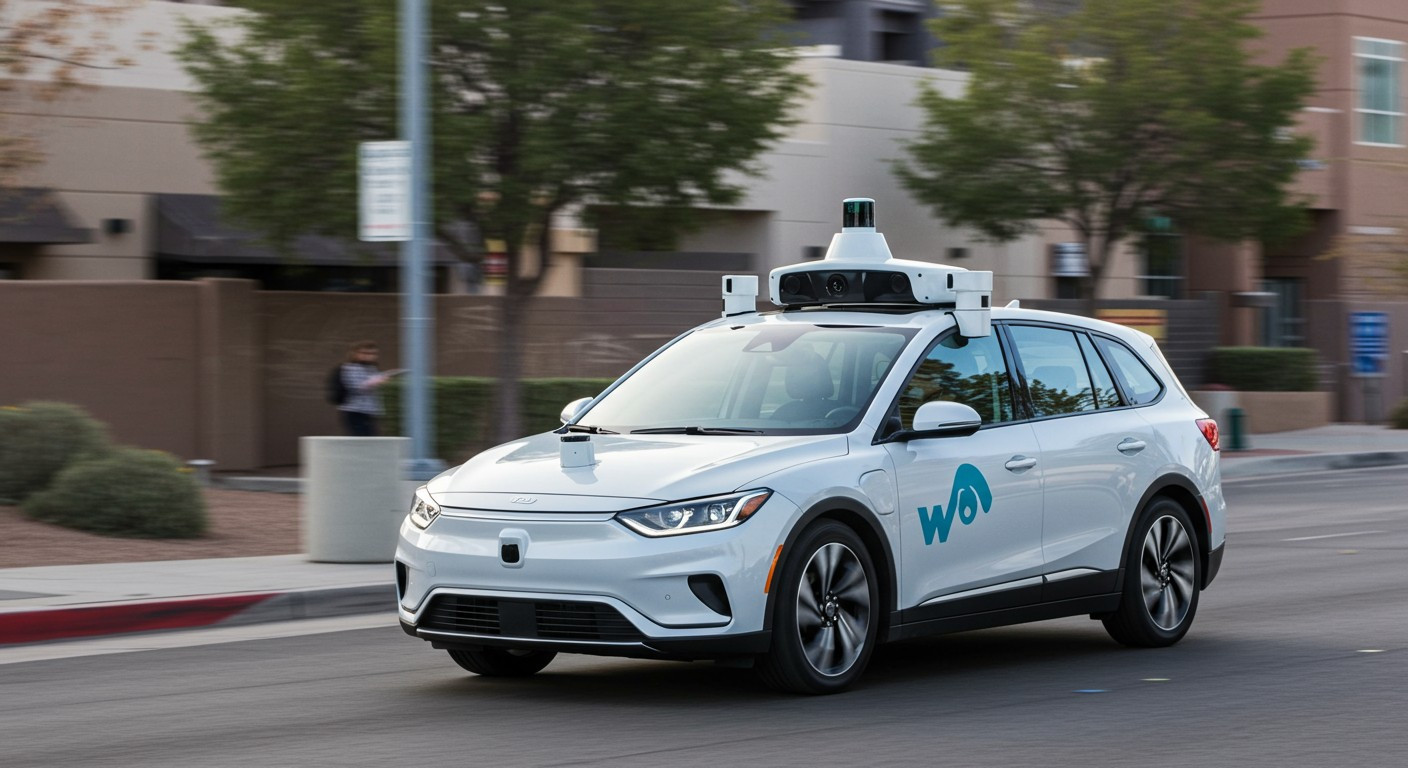
A Waymo autonomous robotaxi struck a child near an elementary school in Santa Monica, California, on January 23 during normal school drop-off hours, leaving the child with minor injuries and prompting a formal safety investigation by the U.S. National Highway Traffic Safety Administration (NHTSA) and National Transportation Safety Board (NTSB). The incident occurred as other children and double-parked vehicles were present, with Waymo reporting that its system detected the child emerging from behind a parked SUV and braked sharply, slowing from about 17 mph to under 6 mph before contact was made; the child was reportedly able to walk to the sidewalk afterward. Federal regulators are examining whether the autonomous system exercised appropriate caution in a school zone, amid broader scrutiny of robotaxi safety following previous Waymo incidents that raised questions about autonomous vehicle performance in complex urban environments.
Sources
https://techcrunch.com/2026/01/29/waymo-robotaxi-hits-a-child-near-an-elementary-school-in-santa-monica/
https://www.reuters.com/world/us/us-opens-probe-after-waymo-self-driving-vehicle-strikes-child-near-school-2026-01-29/
https://www.theverge.com/transportation/869994/waymo-robotaxi-hits-child-school-santa-monica-nhtsa
Key Takeaways
• Federal safety authorities have opened official investigations into a Waymo robotaxi striking a child near a Santa Monica elementary school to assess how autonomous systems handle vulnerable road users in school zones.
• Waymo states its technology reacted quickly, significantly reducing speed before impact, but critics question whether machine judgment in complex traffic conditions matches or exceeds human caution.
• The incident adds to ongoing debates and regulatory scrutiny over autonomous vehicle deployment, especially regarding safety protocols around schools, pedestrians, and unpredictable urban scenarios.
In-Depth
On January 23, 2026, a Waymo self-driving robotaxi struck a child near Grant Elementary School in Santa Monica, California, during the hectic morning drop-off period, triggering heightened scrutiny of autonomous vehicles’ safety systems. Authorities from the National Highway Traffic Safety Administration (NHTSA) and the National Transportation Safety Board (NTSB) have launched formal investigations into the incident to determine whether the robotaxi exercised appropriate caution in close proximity to a school and a high concentration of young pedestrians. According to Waymo, which operates a fleet of autonomous vehicles owned by Alphabet, the child unexpectedly stepped into the street from behind a parked SUV as the robotaxi approached. The company asserts that its advanced sensors detected the emerging pedestrian and applied hard braking, slowing the vehicle from about 17 mph down to under 6 mph before impact occurred. Despite the collision, the child reportedly walked to the sidewalk and was evaluated with only minor injuries, according to company reports.
The proximity to a school during peak foot traffic and the presence of double-parked vehicles and a crossing guard illustrate the kind of complex, dynamic environment that challenges both human drivers and machine systems alike. Critics of autonomous vehicle technology argue that while advanced driver-assistance systems can react quickly to changing conditions, they lack the nuanced judgment and contextual awareness of experienced human drivers—especially in scenarios involving unpredictable child movements near schools. Supporters of autonomous driving point to the reduced speeds and prompt braking as evidence that, in some cases, these systems can mitigate harm more effectively than human reflexes alone. Nonetheless, the NHTSA’s investigation will delve deeply into the specifics, including how the system perceives risk, adheres to posted speed limits, and prioritizes vulnerable road users.
This incident comes amid broader debate over the rapid deployment of driverless technology in U.S. cities and ongoing concerns about regulatory oversight, transparency, and accountability. It underscores the inherent tension between innovation in transportation and the paramount importance of public safety, particularly in environments where children are present. As federal investigations proceed, policymakers, safety advocates, and industry stakeholders will likely revisit standards for autonomous vehicle operation in sensitive zones like school areas, weighing the promise of technology against its real-world performance in unpredictable conditions. The outcome could influence future regulations, public acceptance, and the pace at which autonomous vehicles become integral parts of everyday urban mobility.