

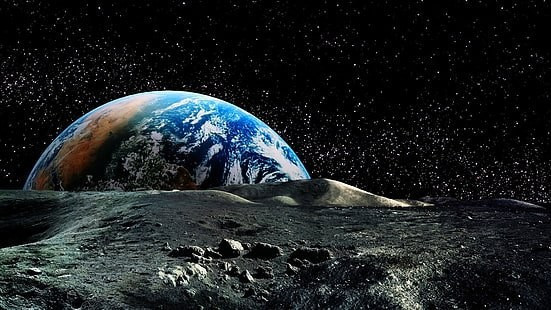
NASA has announced that for the first time in its history, astronauts will be allowed to bring their personal smartphones—including iPhones and Android devices—on upcoming spaceflights, beginning with the Crew-12 mission to the International Space Station and the Artemis II mission around the Moon, overturning decades of protocol that restricted personal consumer electronics due to safety and certification concerns and opening the door for more spontaneous and higher-quality photos and videos from space as part of a broader shift toward modern hardware use on crewed missions.
Sources
https://techcrunch.com/2026/02/05/nasa-astronauts-can-now-bring-their-phones-with-them-on-their-mission-to-the-moon/
https://www.techbuzz.ai/articles/nasa-clears-smartphones-for-moon-mission-after-decades
https://www.ibtimes.co.uk/nasa-allows-iphones-artemis-moon-mission-which-iphone-could-fly-why-smartphones-are-now-being-1776757
Key Takeaways
• NASA has revised longstanding spaceflight rules to let astronauts carry personal smartphones on missions like Crew-12 (to the ISS) and Artemis II (around the Moon).
• Modern smartphone cameras from iPhones and Android devices are expected to replace older imaging gear, potentially improving public engagement and documentation.
• The policy shift reflects a broader trend of quicker hardware approvals and integration of consumer technology in space exploration.
In-Depth
NASA’s recent decision to allow astronauts to carry their personal smartphones on select missions marks a notable evolution in the agency’s approach to onboard technology. For over six decades, NASA maintained strict restrictions on what crew members could bring aboard spacecraft, particularly regarding consumer electronics. These rules stemmed from legitimate safety concerns: consumer devices were historically viewed as potential sources of electromagnetic interference, flammability risks, or off-gassing problems that could jeopardize spacecraft avionics and life-support systems. The traditional approach saw crews rely on purpose-built imaging gear that often lagged behind modern technology, including decade-old Nikon DSLRs or GoPros that did not reflect current consumer capabilities.
That changed in early February 2026 when NASA announced approvals for personal smartphones—both iPhones and Android models—to be carried by the astronauts scheduled for the Crew-12 mission to the International Space Station and the highly anticipated Artemis II lunar flyby mission. The Artemis II mission, planned for March 2026, will be the first crewed lunar flyby since the Apollo era, carrying a four-person crew farther from Earth than any humans have traveled in over 50 years. Allowing smartphones marks a more permissive and modern stance on what technology astronauts can use to document and share their experiences in orbit and around the Moon.
NASA administrator Jared Isaacman framed the policy shift as giving crews “the tools to capture special moments for their families and share inspiring images and video with the world,” indicating an embrace of higher-quality, spontaneous photography and videography from deep space. In practical terms, this change could lead to unprecedented public engagement, as images and video captured on consumer devices are likely to be shared broadly and rapidly, helping bridge the gap between space missions and global audiences on Earth. The decision also reflects an agency adapting to the pace of technology development; it signifies a willingness to expedite qualification processes that once lagged years behind civilian tech cycles, ensuring that cutting-edge capabilities are available even in the demanding environment of space.
This modernizing move aligns with broader trends in space exploration where consumer technology plays a larger role. For example, even private spaceflight initiatives have routinely included smartphones in mission gear, setting a precedent that NASA’s government-operated missions now follow. While there remain technical and safety challenges unique to spaceflight, NASA’s shift suggests confidence that modern smartphones can meet stringent requirements without compromising mission integrity. As the Artemis program progresses toward future lunar landings and sustained human presence beyond low Earth orbit, including planned missions like Artemis III and beyond, the incorporation of familiar technology like smartphones could help humanize space exploration and enhance how these historic ventures are captured and remembered back on Earth. Unlike in past decades, future astronauts won’t just rely on specialized cameras—they’ll likely be reaching for the same devices millions of people carry in their pockets, bringing a new era of personal documentation to the final frontier.