

Close Menu

    Subscribe to Updates

    Get the latest creative news from FooBar about art, design and business.

    What's Hot

    Intel Quietly Pulls Plug on Controversial Pay-to-Unlock CPU Feature Model

    February 13, 2026

    Hobbyist Finds $500 Worth Of RAM In Landfill As Memory Shortages Bite Hardware Market

    February 13, 2026

    Toyota Announces Open-Source “Console-Grade” Game Engine For Vehicle Systems And Beyond

    February 13, 2026
    Facebook X (Twitter) Instagram
    • Tech
    • AI News
    • Get In Touch
    Facebook X (Twitter) LinkedIn
    TallwireTallwire
    • Tech

      Hobbyist Finds $500 Worth Of RAM In Landfill As Memory Shortages Bite Hardware Market

      February 13, 2026

      Intel Quietly Pulls Plug on Controversial Pay-to-Unlock CPU Feature Model

      February 13, 2026

      Toyota Announces Open-Source “Console-Grade” Game Engine For Vehicle Systems And Beyond

      February 13, 2026

      Snapchat Rolls Out Expanded Arrival Notifications Beyond Home

      February 13, 2026

      AI Agents Build Their Own MMO Playground After Moltbook Ignites Agent-Only Web Communities

      February 12, 2026
    • AI News

      Hobbyist Finds $500 Worth Of RAM In Landfill As Memory Shortages Bite Hardware Market

      February 13, 2026

      Chinese Firms Expand Chip Production As Global Memory Shortage Deepens

      February 12, 2026

      AI Agents Build Their Own MMO Playground After Moltbook Ignites Agent-Only Web Communities

      February 12, 2026

      Struggling AI Startups Kept Afloat Despite Never Becoming Profitable

      February 12, 2026

      Maybe AI Agents Can Be Lawyers After All

      February 12, 2026
    • Security

      China’s Salt Typhoon Hackers Penetrate Norwegian Networks in Espionage Push

      February 12, 2026

      Reality Losing the Deepfake War as C2PA Labels Falter

      February 11, 2026

      Global Android Security Alert: Over One Billion Devices Vulnerable to Malware and Spyware Risks

      February 11, 2026

      Small Water Systems Face Rising Cyber Threats As Experts Warn National Security Risk

      February 9, 2026

      EU Drove Global Censorship Through Tech Platforms: House Judiciary Report

      February 8, 2026
    • Health

      AI Advances Aim to Bridge Labor Gaps in Rare Disease Treatment

      February 12, 2026

      Boeing and Israel’s Technion Forge Clean Fuel Partnership to Reduce Aviation Carbon Footprints

      February 11, 2026

      OpenAI’s Drug Royalties Model Draws Skepticism as Unworkable in Biotech Reality

      February 10, 2026

      New AI Health App From Fitbit Founders Aims To Transform Family Care

      February 9, 2026

      Startups Deploy Underwater Robots to Radically Expand Ocean Tracking Capabilities

      February 9, 2026
    • Science

      NASA Artemis II Spacesuit Mobility Concerns Ahead Of Historic Mission

      February 13, 2026

      AI Agents Build Their Own MMO Playground After Moltbook Ignites Agent-Only Web Communities

      February 12, 2026

      AI Advances Aim to Bridge Labor Gaps in Rare Disease Treatment

      February 12, 2026

      Boeing and Israel’s Technion Forge Clean Fuel Partnership to Reduce Aviation Carbon Footprints

      February 11, 2026

      Companies Soften Robot Design to Ease Public Acceptance

      February 10, 2026
    • People

      Google Co-Founder’s Epstein Contacts Reignite Scrutiny of Elite Tech Circles

      February 7, 2026

      Bill Gates Denies “Absolutely Absurd” Claims in Newly Released Epstein Files

      February 6, 2026

      Informant Claims Epstein Employed Personal Hacker With Zero-Day Skills

      February 5, 2026

      Starlink Becomes Critical Internet Lifeline Amid Iran Protest Crackdown

      January 25, 2026

      Musk Pledges to Open-Source X’s Recommendation Algorithm, Promising Transparency

      January 21, 2026
    TallwireTallwire
    Home»Government»Trump’s Critical Minerals Reserve Signals U.S. Adapts to Electric Future Amid China Competition
    Government

    Trump’s Critical Minerals Reserve Signals U.S. Adapts to Electric Future Amid China Competition

    4 Mins Read
    Facebook Twitter Pinterest LinkedIn Tumblr Email
    White House Launches “Genesis Mission” — A National AI Manhattan-Project for Science
    White House Launches “Genesis Mission” — A National AI Manhattan-Project for Science
    Share
    Facebook Twitter LinkedIn Pinterest Email

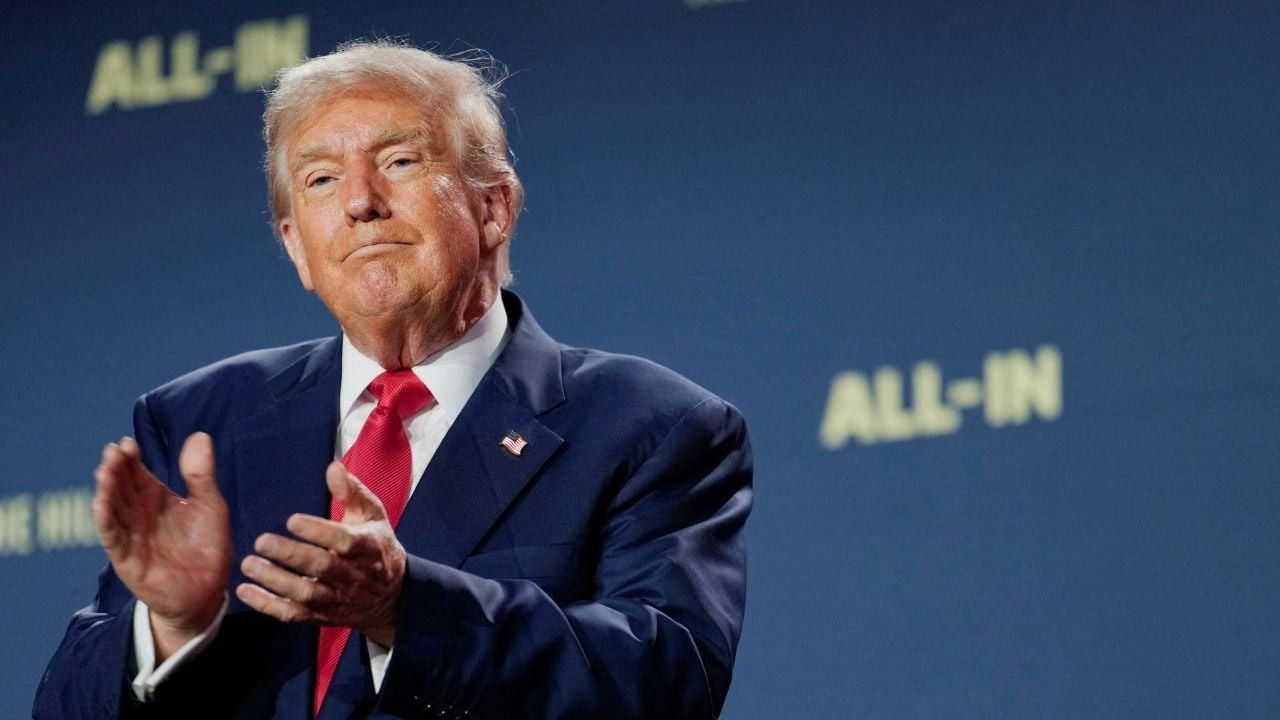
    The Trump administration this week unveiled a major initiative to build a multibillion-dollar strategic reserve of critical minerals—known as Project Vault—to secure supplies of rare earths, lithium and other essential materials needed for electric vehicles, wind turbines, semiconductors and defense production in the years ahead. The plan will tap roughly $10 billion in financing from the U.S. Export-Import Bank and roughly $2 billion in private contributions to create a stockpile intended to reduce the nation’s dependence on China’s dominant position in the mining and processing of these materials, a strategic shift that many see as tacit acknowledgment that the future of industry is increasingly electric. Across Washington this week, senior administration officials also hosted an international ministerial on critical minerals attended by more than 50 countries, floated proposals for a global trade bloc to counter cheap imports, and backed legislation to expand domestic mining and streamline permitting—all part of an effort to fortify U.S. supply chains even as economic and geopolitical competition with Beijing intensifies.

    Sources

    https://techcrunch.com/2026/02/05/trumps-critical-mineral-reserve-is-an-admission-that-the-future-is-electric/
    https://www.reuters.com/world/china/trump-launches-12-billion-minerals-stockpile-counter-china-bloomberg-news-2026-02-02/
    https://www.aljazeera.com/economy/2026/2/4/trumps-critical-minerals-meet-whos-attending-whats-at-stake

    Key Takeaways

    • The Trump administration is initiating a roughly $12 billion strategic reserve of critical minerals to bolster U.S. industrial and defense supply chains against China’s dominance.
    • Officials are engaging more than 50 countries and proposing a coordinated trade framework to diversify global supply sources and potentially impose price supports to protect domestic producers.
    • Legislative and policy moves aim to expand domestic mining, streamline permitting, and integrate public-private financing to reduce foreign dependency on rare earths and other essential materials.

    In-Depth

    The announcement of Project Vault marks one of the most significant shifts in U.S. industrial policy in recent years—and one that carries implications far beyond its immediate economic impact. By committing roughly $12 billion toward a strategic reserve of critical minerals, the Trump administration is confronting a longstanding vulnerability in American supply chains: the nation’s heavy reliance on foreign sources, particularly China, for key materials like rare earth elements, lithium, gallium and cobalt. These minerals are indispensable for a wide array of technologies that define modern economic and national security interests, from electric vehicles and renewable energy systems to advanced electronics and defense hardware. The strategic reserve is intentionally modeled in part on the Strategic Petroleum Reserve, with the aim of insulating U.S. industry from market shocks and geopolitical leverage exercised by rival nations. The choice to pool public financing from the Export-Import Bank with private capital reflects an effort to leverage market dynamics while ensuring baseline supply assurances for manufacturers and innovators.

    Beyond the domestic agenda, administration officials have taken the initiative onto the international stage. A high-profile ministerial meeting in Washington this week convened representatives from more than 50 nations to discuss collaborative efforts to diversify the critical minerals supply chain and reduce dependence on any single producer. Within this framework, proposals have emerged for a preferential trade bloc with coordinated price floors and mutual market guarantees designed to blunt the influence of countries like China, which has long dominated processing and export markets for rare earths and related materials. By engaging allies in such coordinated action, the United States aims to build alternative supply pathways and establish shared standards that encourage investment and reduce systemic risk across allied industrial bases.

    These widespread efforts are complemented by legislative momentum in the U.S. Congress. Bipartisan support has surfaced for measures that would expand domestic mining operations, streamline permitting processes on federal lands and bolster funding mechanisms to accelerate the development of critical mineral projects. Such moves are designed to reduce red tape that has historically slowed American mining growth, while aligning public interest with private sector initiatives seeking to exploit untapped domestic resources. Together, these policies signal a broader recognition—across political and economic sectors—that maintaining technological leadership and national security in an electrified global economy hinges on securing reliable access to the raw materials that power it.

    In asserting this strategy, the administration is also implicitly acknowledging an undeniable market reality: the industries of the future, from electric mobility to clean energy infrastructure, are built on a foundation of materials that the United States must control or access on its terms. While the policy mix blends economic nationalism with international cooperation, its core objective remains clear—strengthen America’s position in a world where technological competition and supply-chain security are increasingly central to geopolitical influence and economic resilience.

    Share. Facebook Twitter Pinterest LinkedIn Tumblr Email
    Previous ArticleEuropean University Offline for Days After Major Cyberattack Disrupts Systems
    Next Article Hackers Dump Millions of Harvard and UPenn Records After Refused Ransom Demands

    Related Posts

    Hobbyist Finds $500 Worth Of RAM In Landfill As Memory Shortages Bite Hardware Market

    February 13, 2026

    Intel Quietly Pulls Plug on Controversial Pay-to-Unlock CPU Feature Model

    February 13, 2026

    Snapchat Rolls Out Expanded Arrival Notifications Beyond Home

    February 13, 2026

    Toyota Announces Open-Source “Console-Grade” Game Engine For Vehicle Systems And Beyond

    February 13, 2026
    Add A Comment
    Leave A Reply Cancel Reply

    Editors Picks

    Hobbyist Finds $500 Worth Of RAM In Landfill As Memory Shortages Bite Hardware Market

    February 13, 2026

    Intel Quietly Pulls Plug on Controversial Pay-to-Unlock CPU Feature Model

    February 13, 2026

    Toyota Announces Open-Source “Console-Grade” Game Engine For Vehicle Systems And Beyond

    February 13, 2026

    Snapchat Rolls Out Expanded Arrival Notifications Beyond Home

    February 13, 2026
    Top Reviews
    Tallwire
    Facebook X (Twitter) LinkedIn Threads Instagram RSS
    • Tech
    • Entertainment
    • Business
    • Government
    • Academia
    • Transportation
    • Legal
    • Press Kit
    © 2026 Tallwire. Optimized by ARMOUR Digital Marketing Agency.

    Type above and press Enter to search. Press Esc to cancel.