

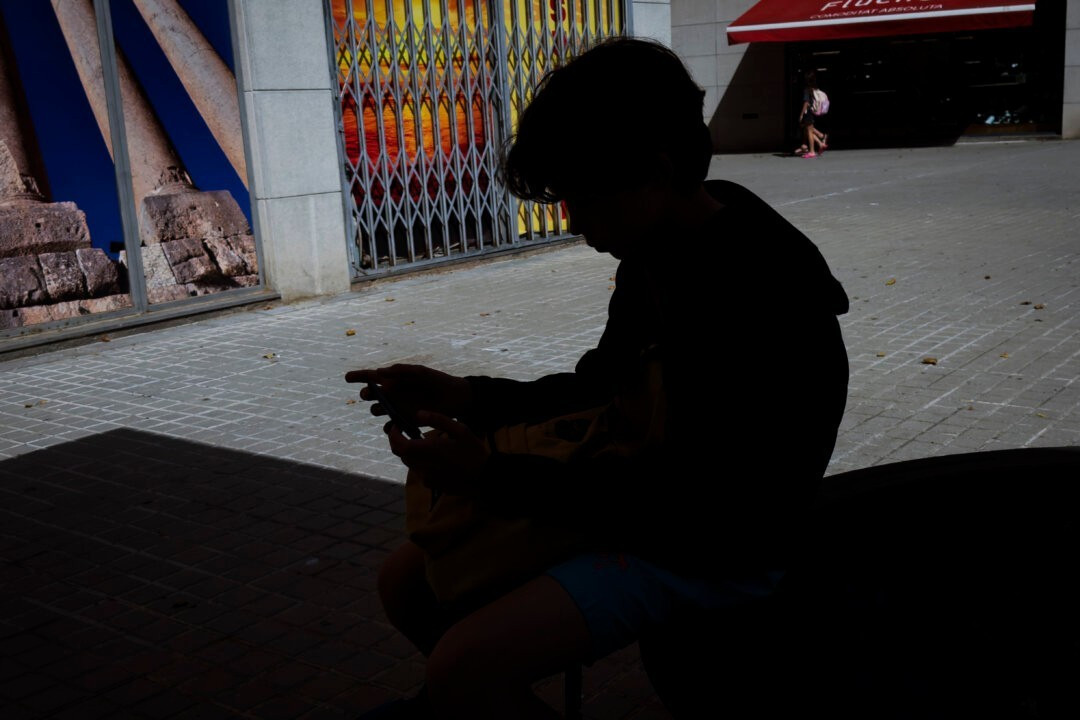
Slovenia has announced plans to draft legislation that would ban access to major social media platforms for children under the age of 15, a move the government says is intended to protect youth from harmful online content and addictive digital design. Deputy Prime Minister Matej Arcon told reporters that the Education Ministry initiated the proposal and that specialists in education and digital technology will help shape the law, which would apply to platforms such as TikTok, Snapchat and Instagram. This proposal positions Slovenia alongside a growing list of countries — including Spain and Greece in Europe and Australia globally — that are tightening restrictions on minors’ access to social networks amid concerns over mental health, online safety and exploitation, even as critics warn such bans may raise questions about freedom, practicality and unintended consequences.
Sources
https://www.theepochtimes.com/tech/slovenia-becomes-next-european-country-to-propose-social-media-ban-for-children-5981292
https://www.reuters.com/world/europe/slovenia-preparing-law-ban-access-social-media-minors-under-15-2026-02-05/
https://www.intellinews.com/slovenia-moves-towards-restricting-social-media-use-for-under-15s-424468/
Key Takeaways
• Slovenia is preparing legislation that would bar children under 15 from accessing social media platforms as part of a broader effort to shield youth from harmful digital influences.
• The Education Ministry is leading the initiative with input from education and digital technology experts, and it targets widely used services including Instagram, TikTok and Snapchat.
• Slovenia’s proposal reflects a broader international trend of governments considering or enacting age-based restrictions on social media, citing mental health and safety concerns, though critics caution about enforcement challenges and potential impacts on individual freedoms.
In-Depth
Slovenia’s government announcement that it will draft a law banning social media use for children under 15 marks another significant moment in the escalating debate over how societies regulate young people’s engagement with digital platforms. Deputy Prime Minister Matej Arcon indicated that the proposal — driven by the country’s Education Ministry — aims to respond to growing concerns about harmful online content, addictive platform designs and risks to minors’ mental well-being. If enacted, the law would prohibit children below 15 from accessing services like TikTok, Instagram and Snapchat, aligning Slovenia with an emerging cohort of nations reassessing the balance between digital freedom and protection for younger generations.
This move in Slovenia dovetails with similar legislative trends globally. In December 2025, Australia became the first nation to enact a nationwide ban on social media access for children under 16, implementing age verification requirements and imposing financial penalties on companies that fail to comply. In Europe, other countries such as Spain have advanced proposals to raise age limits or mandate stricter verification systems for social platforms; Greece is reported to be close to announcing similar under-15 restrictions, and debates continue in France, Denmark and Britain. Proponents of such bans argue that social media’s design — with algorithms engineered to capture attention and promote engagement — can exacerbate anxiety, disrupt sleep and expose children to harmful or inappropriate material, making regulatory intervention a matter of public responsibility.
However, critics caution that outright bans raise questions about enforcement, privacy and unintended consequences. Requiring age verification systems or restricting access based on age presents technical and legal hurdles, and platforms have acknowledged challenges in accurately determining user age without intrusive data collection. Some child welfare advocates also warn that social media can provide important avenues for learning, connection and expression, and that blanket bans could inadvertently limit those benefits. Parents and rights groups debate whether stronger parental controls and education might be more effective than top-down legal prohibitions.
Slovenia’s proposal illustrates the complex policy terrain where child protection, technological innovation and individual liberties intersect. As more governments weigh similar measures, the broader question remains how to craft solutions that genuinely safeguard youth without overreaching into personal freedoms or setting precedents for expansive regulation of digital spaces. Slovenia, a nation of roughly two million people, is poised to contribute its voice to this global conversation, potentially influencing approaches within the European Union and beyond as policymakers grapple with the trade-offs inherent in governing the digital lives of future generations.