

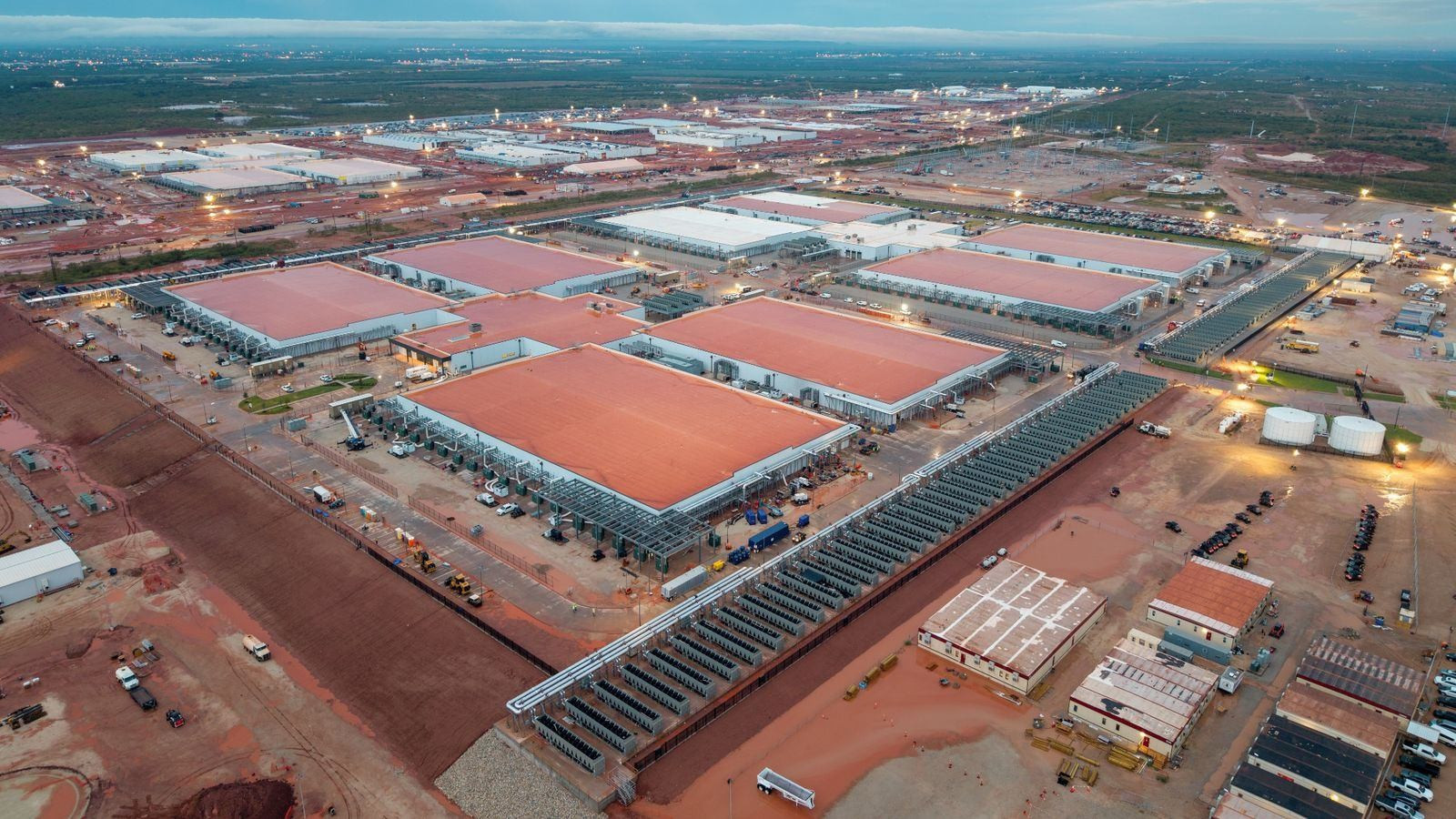
New York state legislators have introduced a bill that would impose at least a three-year moratorium on issuing permits for new data centers, marking a significant regulatory move in response to growing concerns about energy demand, strain on the power grid, rising electricity costs for residents, and broader environmental impacts tied to the rapid expansion of artificial intelligence infrastructure. The legislation, sponsored by State Senator Liz Krueger, Senator Kristen Gonzalez, and Assemblymember Anna Kelles, would halt permits for data centers above 20 megawatts and require comprehensive reviews by the Department of Environmental Conservation and the Public Service Commission on environmental and rate impacts before future development continues. This proposal places New York among at least six states considering pauses on data center construction, reflecting bipartisan apprehension over unchecked data center growth even as tech companies invest heavily in AI infrastructure. Critics in the state legislature argue that existing regulatory frameworks are unprepared for the surge in data center development, and proponents contend the moratorium will provide needed “breathing room” to adopt robust policies that protect consumers and communities. While the bill’s prospects remain uncertain, it underscores an intensifying national debate over how to balance technological development with sustainability, grid reliability, and energy affordability for everyday residents.
Sources
https://techcrunch.com/2026/02/07/new-york-lawmakers-propose-a-three-year-pause-on-new-data-centers/
https://www.wired.com/story/new-york-is-the-latest-state-to-consider-a-data-center-pause/
https://www.nysenate.gov/legislation/bills/2025/S9144
Key Takeaways
• Lawmakers in New York have proposed Senate Bill S9144 to impose a moratorium of at least three years on permits for new large data centers to allow environmental and energy impact studies.
• The proposal reflects broader bipartisan and multistate efforts to reassess data center development amid concerns about energy grid strain, rising electricity costs, and environmental effects of AI infrastructure expansion.
• The bill would require state agencies to produce detailed environmental and rate impact analyses and could significantly reshape how future data center projects are regulated if enacted.
In-Depth
New York’s latest legislative proposal to pause new data center construction through a three-year moratorium is part of a broader rethinking of how energy-intensive tech infrastructure should be regulated at the state level. The bill, S9144, introduced by State Senators Liz Krueger and Kristen Gonzalez along with Assemblymember Anna Kelles, targets data centers that require permits for construction and operation, particularly those larger than 20 megawatts. Under the terms of the proposal, which currently faces uncertain odds in the state legislature, no new permits would be issued while the state’s Department of Environmental Conservation and the Public Service Commission complete extensive reviews of environmental impacts and electricity rate implications tied to such facilities. Proponents of the bill argue that New York is unprepared to handle the explosive growth of data center development driven in large part by artificial intelligence and cloud computing demands, and that existing regulatory frameworks have not kept pace with the expansion.
Data centers consume large amounts of electricity, and critics of unfettered growth point to both rising utility costs for residents and the strain these facilities can put on regional power grids as reasons for caution. Supporters of the moratorium contend that forcing pause and study will give policymakers the “breathing room” needed to craft common-sense policies that ensure community protection without sacrificing economic opportunity. Opponents in business and technology sectors worry that such a pause could slow investment and innovation, potentially driving development to other states with more permissive regulatory environments.
The proposed legislation also mirrors a growing trend across the United States where states with varying political leadership have introduced similar measures to halt or slow data center construction temporarily. New York is at least the sixth to do so, signaling rising concern even in states that historically court technology investment. By requiring robust environmental reviews and assessments of rate impacts, the bill’s backers hope to balance the benefits of technological infrastructure with the need to protect consumers and ensure the state’s electrical grid remains reliable and affordable.
Critics have also raised questions about the potential economic implications of a moratorium, warning that overly restrictive regulation could deter business investment and impede job growth associated with data center construction and operation. Yet, for many local leaders and consumer advocates, the priority remains ensuring that the costs associated with this infrastructure do not fall disproportionately on residential ratepayers or undermine broader energy and environmental goals. As the debate continues in Albany, New York’s decision on this moratorium could have ripple effects beyond its borders, influencing how other states approach the regulation of data center development in an era of rapid tech expansion. There’s a growing recognition among policymakers that the traditional approach of encouraging unfettered growth may no longer be sustainable without more thoughtful oversight of energy demand and community impact.
The coming weeks and months will reveal whether the state’s legislature decides to adopt this ambitious pause or opts for a different regulatory path, but the introduction of S9144 has already sparked a wider conversation about how to balance innovation with responsible stewardship of energy resources and protection of consumer interests.