

Close Menu

    Subscribe to Updates

    Get the latest creative news from FooBar about art, design and business.

    What's Hot

    AI Agents Build Their Own MMO Playground After Moltbook Ignites Agent-Only Web Communities

    February 12, 2026

    Chinese Firms Expand Chip Production As Global Memory Shortage Deepens

    February 12, 2026

    Struggling AI Startups Kept Afloat Despite Never Becoming Profitable

    February 12, 2026
    Facebook X (Twitter) Instagram
    • Tech
    • AI News
    • Get In Touch
    Facebook X (Twitter) LinkedIn
    TallwireTallwire
    • Tech

      AI Agents Build Their Own MMO Playground After Moltbook Ignites Agent-Only Web Communities

      February 12, 2026

      Reality Losing the Deepfake War as C2PA Labels Falter

      February 11, 2026

      Germany Plans €35 Billion Military Space Investment Including Spy Satellites and Lasers

      February 11, 2026

      Lockheed Martin to Quadruple THAAD Production Amid Heightened Middle East Tensions

      February 11, 2026

      Israel Quietly Expands Space-Based Military Capabilities to Sharpen Edge With Iran

      February 11, 2026
    • AI News

      Chinese Firms Expand Chip Production As Global Memory Shortage Deepens

      February 12, 2026

      AI Agents Build Their Own MMO Playground After Moltbook Ignites Agent-Only Web Communities

      February 12, 2026

      Struggling AI Startups Kept Afloat Despite Never Becoming Profitable

      February 12, 2026

      Maybe AI Agents Can Be Lawyers After All

      February 12, 2026

      New York Lawmakers Move to Impose Three-Year Moratorium on New Data Center Permits

      February 12, 2026
    • Security

      China’s Salt Typhoon Hackers Penetrate Norwegian Networks in Espionage Push

      February 12, 2026

      Reality Losing the Deepfake War as C2PA Labels Falter

      February 11, 2026

      Global Android Security Alert: Over One Billion Devices Vulnerable to Malware and Spyware Risks

      February 11, 2026

      Small Water Systems Face Rising Cyber Threats As Experts Warn National Security Risk

      February 9, 2026

      EU Drove Global Censorship Through Tech Platforms: House Judiciary Report

      February 8, 2026
    • Health

      AI Advances Aim to Bridge Labor Gaps in Rare Disease Treatment

      February 12, 2026

      Boeing and Israel’s Technion Forge Clean Fuel Partnership to Reduce Aviation Carbon Footprints

      February 11, 2026

      OpenAI’s Drug Royalties Model Draws Skepticism as Unworkable in Biotech Reality

      February 10, 2026

      New AI Health App From Fitbit Founders Aims To Transform Family Care

      February 9, 2026

      Startups Deploy Underwater Robots to Radically Expand Ocean Tracking Capabilities

      February 9, 2026
    • Science

      AI Agents Build Their Own MMO Playground After Moltbook Ignites Agent-Only Web Communities

      February 12, 2026

      AI Advances Aim to Bridge Labor Gaps in Rare Disease Treatment

      February 12, 2026

      Boeing and Israel’s Technion Forge Clean Fuel Partnership to Reduce Aviation Carbon Footprints

      February 11, 2026

      Companies Soften Robot Design to Ease Public Acceptance

      February 10, 2026

      Startups Deploy Underwater Robots to Radically Expand Ocean Tracking Capabilities

      February 9, 2026
    • People

      Google Co-Founder’s Epstein Contacts Reignite Scrutiny of Elite Tech Circles

      February 7, 2026

      Bill Gates Denies “Absolutely Absurd” Claims in Newly Released Epstein Files

      February 6, 2026

      Informant Claims Epstein Employed Personal Hacker With Zero-Day Skills

      February 5, 2026

      Starlink Becomes Critical Internet Lifeline Amid Iran Protest Crackdown

      January 25, 2026

      Musk Pledges to Open-Source X’s Recommendation Algorithm, Promising Transparency

      January 21, 2026
    TallwireTallwire
    Home»Government»Chinese Firms Expand Chip Production As Global Memory Shortage Deepens
    Government

    Chinese Firms Expand Chip Production As Global Memory Shortage Deepens

    4 Mins Read
    Facebook Twitter Pinterest LinkedIn Tumblr Email
    China’s AI Threat Becomes Bipartisan U.S. Security Focus In Wake Of Controversial Chip Policy
    China’s AI Threat Becomes Bipartisan U.S. Security Focus In Wake Of Controversial Chip Policy
    Share
    Facebook Twitter LinkedIn Pinterest Email

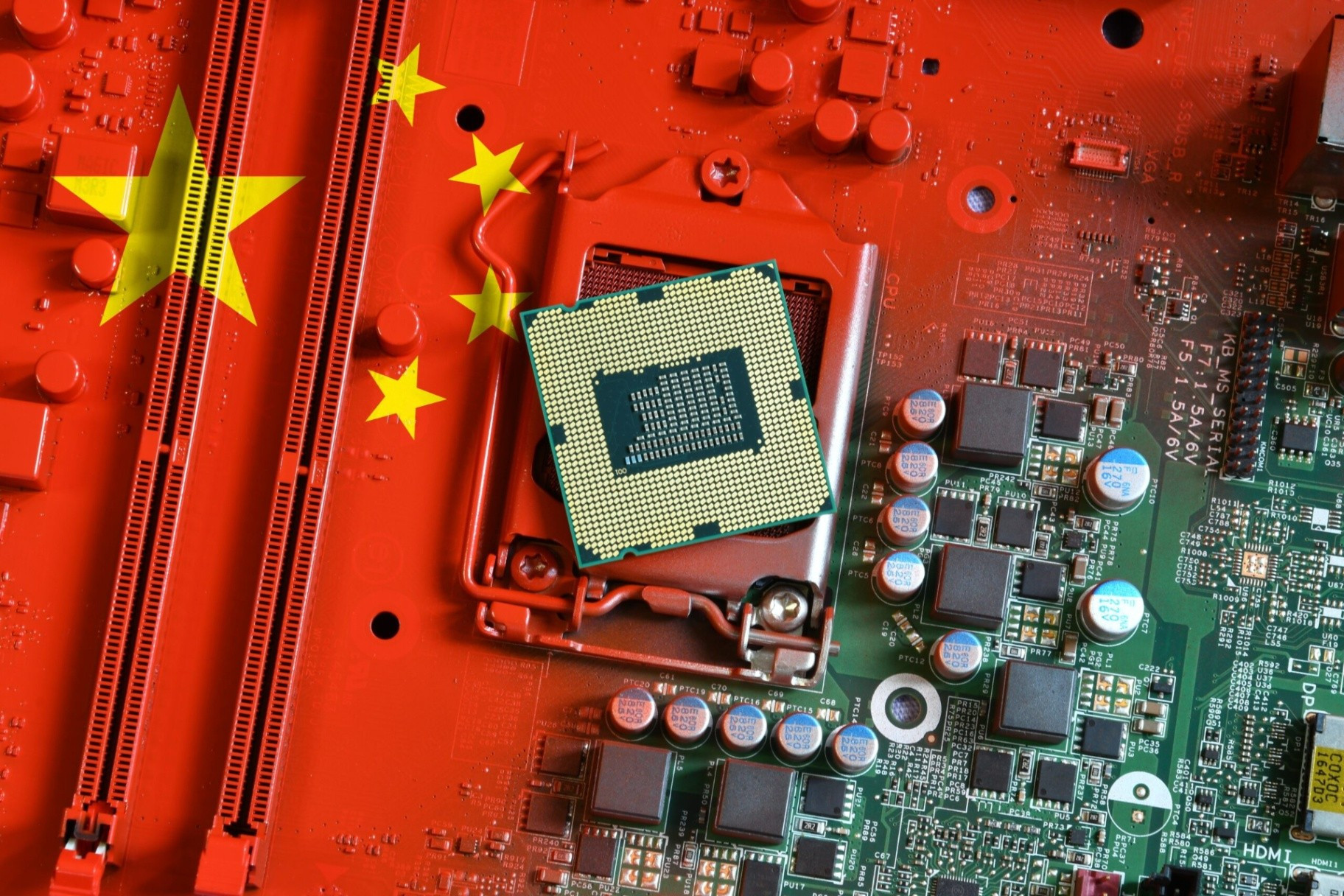
    Chinese memory-chip producers are rapidly expanding capacity to address a severe global shortage of dynamic RAM and other memory products as surging demand from artificial-intelligence infrastructure exhausts supply, prompting some U.S. and global PC makers to consider sourcing chips from China for the first time and threatening higher prices and potential supply disruptions for consumer electronics. Semiconductor manufacturers in China plan to bring new facilities online to help alleviate the crunch, while major technology companies including HP, Dell, Acer and Asus explore Chinese memory suppliers amid tight inventories and rising costs, even as memory usage by AI data centers surges and supply constraints are forecast to persist through at least 2026 and possibly into 2027. Reports also show that the shortage is cutting across global markets, with key players like Qualcomm forecasting financial impacts from limited memory supplies, and broader industry analyses warning that reallocations toward high-end AI memory products are worsening shortages for conventional devices. This evolving supply chain dynamic underscores how the intersection of AI demand, geopolitical export controls, and shifting production strategies is reshaping the global semiconductor landscape in ways that could elevate prices on consumer hardware and accelerate China’s role in memory-chip manufacturing.

    Sources

    https://www.semafor.com/article/02/09/2026/chinese-firms-race-to-ease-global-memory-chip-shortage
    https://www.reuters.com/world/china/hp-dell-acer-asus-mull-using-chinese-memory-chips-amid-supply-crunch-nikkei-asia-2026-02-05/
    https://www.reuters.com/world/china/qualcomm-forecasts-quarterly-results-below-estimates-memory-shortage-dampens-2026-02-04/

    Key Takeaways

    • Chinese memory-chip makers are boosting production and planning new facilities to help ease a severe global shortage exacerbated by booming demand from AI infrastructure.
    • Major PC manufacturers are considering sourcing memory chips from Chinese suppliers for the first time due to tight supply and rising costs in traditional markets.
    • Global supply constraints are influencing industry financials, with companies like Qualcomm forecasting revenue impacts and shortages expected to persist through at least 2026.

    In-Depth

    The global memory-chip shortage that has shaken the tech industry continues to widen, pushing Chinese firms to step up and expand production capacity as demand outpaces supply. Manufacturers in China are accelerating plans to bring new memory-chip facilities online, largely driven by the exponential growth of artificial-intelligence systems that require vast amounts of dynamic random-access memory (DRAM) and high-bandwidth memory (HBM). This surge in demand from hyperscale data centers has pulled production focus toward high-end memory products, leaving a tightening supply of conventional chips that power many consumer devices, including laptops, smartphones and gaming consoles. Chinese expansion efforts aim to mitigate some of these shortages, although they exist within a broader context of shifting supply chains and geopolitical tensions.
    Reports indicate that traditional memory suppliers globally, including Samsung, SK Hynix and Micron, have shifted significant production capacity toward memory tailored for AI workloads at the expense of more general-purpose chips. This realignment has contributed to rising prices and constrained inventories, as manufacturers allocate wafers and cleanroom space to the most profitable product lines. Analysts warn that this supply squeeze will persist through 2026 and possibly into 2027, underscoring a structural imbalance between demand and supply in the DRAM and NAND markets.
    Reflecting these pressures, major PC makers such as HP, Dell, Acer and Asus are considering using memory from Chinese suppliers for the first time to secure inventory and hedge against further shortages and price hikes. These moves suggest not only tactical responses to immediate supply issues but also potential longer-term shifts in global supply chains toward greater diversification of sources, including Chinese manufacturers.
    The shortage is also beginning to show up in financial forecasts and corporate performance. Chip designer Qualcomm has signaled that limited memory supplies have negatively affected its revenue outlook, highlighting how pervasive the shortage has become across different segments of the electronics industry. The cumulative impacts extend beyond cost and availability; they could shape competitive dynamics among suppliers, influence production planning, and accelerate efforts by nations and companies to build more resilient or self-sufficient semiconductor ecosystems. In this environment, China’s ramp-up efforts position its memory-chip sector as a potential counterbalance to traditional suppliers, although technological and geopolitical hurdles remain. Overall, the memory-chip shortage of 2025-2026 reflects a convergence of rapidly increasing AI demand, constrained production capacity for conventional memory products, and evolving strategic considerations among global tech firms and suppliers.

    Share. Facebook Twitter Pinterest LinkedIn Tumblr Email
    Previous ArticleStruggling AI Startups Kept Afloat Despite Never Becoming Profitable
    Next Article AI Agents Build Their Own MMO Playground After Moltbook Ignites Agent-Only Web Communities

    Related Posts

    AI Agents Build Their Own MMO Playground After Moltbook Ignites Agent-Only Web Communities

    February 12, 2026

    Struggling AI Startups Kept Afloat Despite Never Becoming Profitable

    February 12, 2026

    China’s Salt Typhoon Hackers Penetrate Norwegian Networks in Espionage Push

    February 12, 2026

    Maybe AI Agents Can Be Lawyers After All

    February 12, 2026
    Add A Comment
    Leave A Reply Cancel Reply

    Editors Picks

    AI Agents Build Their Own MMO Playground After Moltbook Ignites Agent-Only Web Communities

    February 12, 2026

    Reality Losing the Deepfake War as C2PA Labels Falter

    February 11, 2026

    Germany Plans €35 Billion Military Space Investment Including Spy Satellites and Lasers

    February 11, 2026

    Lockheed Martin to Quadruple THAAD Production Amid Heightened Middle East Tensions

    February 11, 2026
    Top Reviews
    Tallwire
    Facebook X (Twitter) LinkedIn Threads Instagram RSS
    • Tech
    • Entertainment
    • Business
    • Government
    • Academia
    • Transportation
    • Legal
    • Press Kit
    © 2026 Tallwire. Optimized by ARMOUR Digital Marketing Agency.

    Type above and press Enter to search. Press Esc to cancel.